

New Year Travel Resolutions That Reflect Your Values
The start of a new year often comes with pressure to overhaul everything – new habits, new goals, new versions of ourselves. But resolutions don’t have to be rigid, performative, or all-or-nothing to be meaningful.
These lists of resolutions aren’t meant to be another checklist you complete or standard you measure yourself against. They’re a collection of ideas organized around different themes, that you can pick and choose from, depending on your values, capacity, safety, and season of life. Some may resonate deeply. Others may not feel right for you, and that’s the point.
These travel, media, knowledge building, and civic-minded resolutions are about intention than perfection. They’re about aligning how we move through the world with what matters most to us, whether that shows up in how we travel, what we read, how we stay informed, or how we participate in democracy.
Take what fits. Leave what doesn’t. You can always come back to the rest later.

Prioritise Solo Travel And Experiences
- Take at least one solo trip purely for yourself
Not for content, not for anyone else’s expectations. - Stop waiting for the “perfect” travel companion
And plan trips around your own schedule and energy. - Choose destinations that support your solo travel confidence
Places where you feel safe, supported, and emotionally grounded. - Build self care and rest into every solo trip that I take
No more jam-packed itineraries just to prove you “did enough.” - Say yes to solo experiences you’d normally talk yourself out of
Concerts, festivals, events, dining alone, workshops and organized trips - Experience the culture of every place you visit
Shop and dine locally where possible, choosing independent businesses over chains when you can. - Get out of your comfort zone to try new experiences
Try local cuisines, excursions, and activities that help you connect more deeply with a place.

Travel And Lifestyle Goals
- Travel slower and stay longer where possible
Fewer destinations. More presence. - Spend money on experiences, not just accommodation
Tours, performances, museums, local classes. - Create travel routines that support your mental health
Morning walks, journaling, familiar cafes, movement. - Stop over-romanticizing burnout travel
You don’t need to be exhausted to feel fulfilled. - Let trips evolve instead of forcing rigid plans
Leave space for rest, spontaneity, and changing your mind. - Redefine what a “successful” trip looks like
Joy, calm, clarity — not just photos. - Choose trips that align with the life you’re building
Not the life you think you should want. - Allow yourself to change how you travel as you age
Different seasons, different needs, all valid.

Ethical Travel And Travel Activism
- I won’t separate my travel choices from my values
Where you go and who you support can reflect what matters to you - Learn about the political context of the places you visit before you book your trip
Staying informed helps you make travel choices that align with your values. - Be mindful about traveling to destinations that are authoritarian or actively harming communities.
Especially where women’s rights, LGBTQ+ rights, or press freedom are under attack. - Pay attention to how tourism props up harmful regimes
And decide consciously whether you want to participate. - Be conscious of how media narratives shape travel perceptions
Especially around safety, protest, and political unrest. - Be intentional about traveling to inclusive destinations
Prioritise places that actively protect women, minorities, and democratic norms. - Question why certain destinations are framed as “unsafe” while others aren’t
And whose voices are missing from those narratives. - Research where your travel money goes
Hotels, tours, attractions, and who benefits from them. - Use your travel spending as a form of soft power
Choosing where and how you spend money matters. - Support local businesses intentionally
Independent cafes, makers, guides, and markets. - Research zoos, sanctuaries, aquariums, and orphanages before visiting
Choose ethical wildlife and community experiences with transparent welfare practices. - I will be a considerate, mindful traveler
Using public transport where possible, choosing trains and buses when practical, and treating places with care. - Talk honestly about uncomfortable travel realities
Not everything needs to be aesthetic or neutral. - Use your platform — even a small one — responsibly as a traveler
What you share and recommend online about your travels influences others. - Avoid amplifying fear-based travel content
Fear is one of the easiest propaganda tools.

Mainstream News And Information
- I will be intentional about what I consume daily
Not everything deserves my attention, energy, or emotional labour. - Understand the mainstream media landscape
I will learn the basic media eco-systems and ownerships of mainstream media outlets and platforms. - Actively seek out reputable, independent journalism
Especially outlets that do original reporting, not just commentary. - I Will take breaks from the news
My well-being matters, and I can always catch up on what I truly need to know - Remember that being informed is a long game
Consistency matters more than intensity. - I will read beyond headlines
Headlines are designed to hook — nuance lives in the body. - I won’t automatically treat outrage as information
Loud or viral content isn’t always accurate or important. - Limit how often I check breaking news
Constant exposure doesn’t make me more informed — it makes me more dysregulated. - I will choose depth and detailed factual articles over volume and noise
One well-researched article is often more valuable than fifty headlines. - Accept that I don’t need to know everything immediately
Urgency is often manufactured. - Learn the difference between opinion, analysis, and reporting
All have value — but they serve different purposes. - Support journalists, independent media and creators, and organisations doing real work
Attention and money are both forms of power. - Follow and share non-partisan news sources and independent media
Sharing credible reporting helps counter misinformation over time. - Share well-sourced reporting instead of viral outrage
Especially reporting grounded in evidence and primary sources. - Share well-sourced reporting instead of viral outrage
Especially reporting grounded in evidence and primary sources. - Follow historians, journalists, legal scholars, and policy experts
So much of what’s happening makes more sense when it’s explained with context, evidence, and historical perspective. - Build a diverse expert feed across multiple disciplines
A wider range of perspectives helps me see issues more clearly and think more critically.
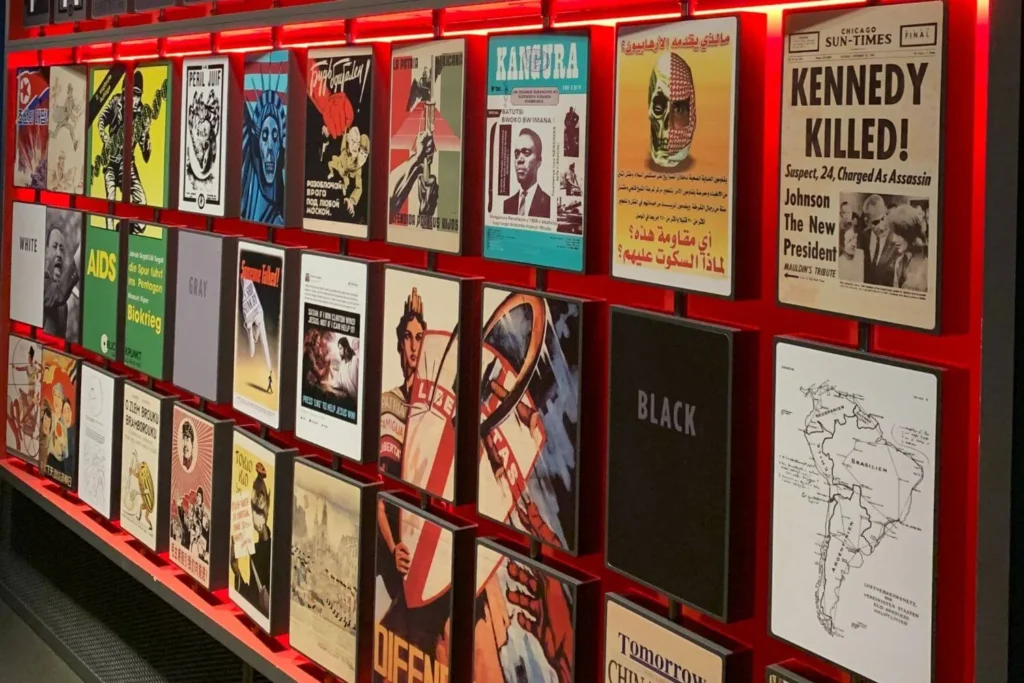
Misinformation And Propaganda
I aim to become harder to mislead while supporting the systems and voices that protect truth, freedom, and human rights.
- I will pause before reacting emotionally to political content
Strong emotional responses are often the point. - Question who benefits from a message being shared
Every piece of information serves someone. - Stop sharing content without verifying the source
Even when it aligns with my beliefs. - Learn to recognise common propaganda tactics
Fear, repetition, scapegoating, false binaries, and moral panic are common tactics worth recognising. - Notice patterns over time, not isolated incidents
Authoritarianism, disinformation, and erosion of rights happen gradually. - Be wary of personalities who position themselves as the sole truth-tellers
“No one else will tell you this” is a red flag. - Treat viral content with extra scepticism
Virality often rewards distortion, not accuracy. - I will stay curious rather than cynical
Cynicism is often the end goal of disinformation. - Protect my mental health without disengaging completely
Burnout benefits those spreading disinformation. - Unfollow creators and journalists who thrive on outrage without substance
I will avoid creators who post click-bait headlines or lack facts and evidence in their content. - Refuse to amplify extremist talking points, even critically
I will be mindful about not spreading extremist views, even unintentionally. - Call out propaganda calmly and factually when it feels safe to do so
When I feel safe to do so I will call out propaganda, and share the facts or evidence to counter it.

Social Media Activity
I will proactively manage my social media to avoid harmful far-right content, propaganda and negative comparisons with other travelers.
- Curate my feeds intentionally and without guilt
I will follow accounts that align with my views and interests, and interact with content I like to curate my feeds. I will unfollow, mute, block without any guilt or overthinking to stop right-wing algorithms. - Be mindful of how algorithms shape my worldview
What I see most often is what platforms want amplified — not necessarily what’s true. - Take regular breaks from platforms that increase anxiety or anger
Especially during political flashpoints. - Use social media intentionally, not reflexively
Open apps with a purpose, not out of habit. - I will not waste my time doom-scrolling to “stay informed”
Scrolling isn’t the same as civic engagement. - Use my platform responsibly when discussing global events
Context over clicks. - I won’t argue with bad-faith actors online
Not every conversation is meant to be won. - Correct misinformation calmly when I have the energy
And disengage when I don’t. - Support locally owned businesses and events
When sharing online, I’ll highlight local businesses over large corporations.

Knowledge, Literacy, And Historical Awareness
I will grow long-term intellectual resilience so that I am harder to manipulate and harder to mislead with a better understanding of history and politics.
- Read banned and challenged books intentionally
I will seek out books that have been banned or challenged by far-right governments. - I prioritise books by women, minorities, and scholars
These are the voices that are often erased first. - I will read books written by journalists, historians, and subject-matter experts
Just because a book is written by an influencer doesn’t mean it’s a must-read or factually accurate - Build a personal library focused on history, politics, and power
Curate books that help me build my knowledge on important topics and issues that matter to me. - Support my local library
Libraries are often targeted by authoritarian movements, making them especially worth protecting. - Read at least one history book per quarter
Regular history reading builds long-term context without needing to know everything at once. - Support my local library
Libraries are often targeted by authoritarian movements, making them especially worth protecting. - Learn how past democracies failed and why
Understanding patterns from the past makes it easier to recognise warning signs in the present. - Study authoritarian movements across different countries, not just the US
Looking beyond one country helps reveal common tactics and shared trajectories. - Understand how propaganda has historically worked, not just digitally
Many modern techniques are recycled versions of older strategies. - Start or join a book club focused on politics, history, or banned books
Shared reading creates space for thoughtful discussion rather than reactive debate. - Watch documentaries on history, authoritarianism, and civil rights
Documentaries can make complex systems and timelines easier to grasp. - Watch films based on true political or historical events
Stories grounded in real events help connect facts to lived experience. - Revisit dystopian films and series as warning texts, not just entertainment
These stories often reflect fears and patterns already visible in the real world. - Actively connect fiction to real-world patterns
Noticing parallels between stories and reality sharpens critical thinking without needing certainty.

Active Resistance To Fascism, Christian Nationalism, And Extremism
I will not be a passive observer in the erosion of people’s rights. I will prioritise safe activism over perfectionism.
- Boycott companies funding authoritarian politicians
Redirecting spending is one of the simplest ways to fight back while aligning my money with my values. - Stop supporting brands that abandon DEI or support ICE and similar institutions
Where possible, I’ll choose companies whose actions don’t support harmful policies. - Research where money flows before spending it
A little awareness can turn everyday purchases into more intentional choices. - Support ethical alternatives where possible
Even small shifts can add up over time. - Support independent media financially
Independent journalism survives through collective support, not algorithms. - Speak up when silence enables harm
I’ll use my voice when I have the capacity, and step back when I don’t. - Use social platforms intentionally rather than performatively
Thoughtful engagement often matters more than visibility. - Write, share, or discuss issues you care about thoughtfully
Clarity and care help conversations go further than outrage. - Protect my voice from burnout while still using it
Sustainable engagement is more effective than constant output. - Have intentional conversations rather than reactive arguments
Listening and timing matter as much as having the right information. - Attend protests if and when it feels safe
Showing up looks different for everyone and can change over time. - Support grassroots organisations doing on-the-ground work
Local efforts often create the most tangible impact. - Volunteer skills rather than just time
Sharing what I’m good at can be just as valuable as being physically present. - Show solidarity without putting myself at risk of harm
Care for myself and others is part of meaningful resistance.

Democratic Participation And Civic Responsibility
- Make voting in every election, including local ones, a priority
Local and down-ballot races shape daily life more than national headlines. - Understand what you’re voting for, not just who
Policies and positions matter just as much as personalities. - Learn how voting systems and suppression tactics work
Knowing how the system functions makes participation more effective. - Research candidates beyond party labels
Party affiliation rarely tells the full story. - Read actual policy positions, not summaries
Primary sources reduce distortion and oversimplification. - Track how elected officials actually vote on key issues, not what they promise
Voting records provide a much clearer picture than campaign messaging. - Understand federal, state, judicial, school board, and other local elections
Power is exercised at many levels, not just the top. - Support and share credible candidates fighting authoritarianism
Visibility and support help counter well-funded extremism. - Support organisations and individuals defending voting rights
Protecting access to the ballot protects democracy itself. - Help amplify underfunded or overlooked campaigns
Smaller campaigns often rely on community support to be heard. - Encourage civic engagement in others without shaming
People are more likely to participate when they feel welcomed, not judged. - Understand how democracies erode gradually
Democratic decline doesn’t happen all at once. - Recognise warning signs early, not after collapse
Early awareness creates more room for response. - Stay engaged between elections
Democracy is shaped in the quieter moments, not just on election day. - Run for office or join a local board if it interests you
Local leadership roles can be powerful ways to influence change.

You Don’t Need To Adopt Every Resolution Here To Make A Difference
Small, thoughtful choices add up over time. Whether it’s being more mindful about where you spend your money, having more solo adventures, reading one book, supporting one independent outlet or planning one intentional solo trip, none of this requires perfection. You also don’t need to be constantly engaged, always active or “on” all the time. In fact I’d encourage the opposite.
What matters most is staying connected to your values without burning yourself out or losing your sense of curiosity, joy, and personal power along the way. The world doesn’t need louder people. It needs steadier ones – People who stay engaged, informed, and grounded over the long term.
Let this be a year where your choices feel aligned, sustainable, and genuinely your own.
Share Me
If you found this post helpful, share it or pin it! It’s one of the best ways to show your support. Thank you!

Gemma Lawrence is a British expat, solo female travel blogger, and the creator of This Brit’s Life — a travel and lifestyle blog that helps women explore the world confidently, live abroad independently, and stay informed about global issues.
Born and raised in England, Gemma has been living in British Columbia, Canada since 2016 and has been traveling solo for over a decade. With a background in journalism and over ten years of experience in digital marketing and communications — including leadership roles with the International Association of Business Communicators (IABC/BC) — she brings both storytelling and strategy to her writing.
Through her posts, Gemma shares practical solo travel advice, expat insights, and confidence-building resources, while also covering broader topics like women’s rights, democracy, and self-care. Her goal is to inspire independence, awareness, and personal growth — one adventure at a time