Best Places To Visit In Canada Alone
Canada is one of the best countries in the world for solo female travel, especially if you want a destination that feels safe, welcoming, and easy to navigate without sacrificing scenery or culture. From vibrant cities and coastal towns to mountains and national parks, Canada offers an incredible range of experiences for women traveling alone.
What makes Canada particularly appealing for solo travelers is how normal independence feels here. Eating alone, exploring neighbourhoods solo, taking public transport, or joining a tour by yourself rarely draws attention. Whether this is your first solo trip or you’re a seasoned independent traveler, Canada makes it easy to explore at your own pace.
As someone who has lived and traveled solo in Canada for over a decade, I’ve found that destination choice makes a huge difference to how confident and relaxed a trip feels. So this post covers the best places to visit in Canada alone, with a focus on safety, atmosphere, things to do and ease for solo female travelers. From well-loved cities and iconic nature spots to quieter, off-the-beaten-path destinations, there are recommendations for all interests. You’ll also find practical guidance on when to go, what to do, what kind of atmosphere to expect, and how to choose the right destination for your solo travel style.
Best Cities In Canada To Visit Alone
If you’re someone who loves vibrant energy, culture, and a good cup of coffee, Canada’s cities are full of opportunities for solo exploration.
Vancouver, British Columbia
- Best time to visit: Late spring to early fall (May–September) for mild weather and easy outdoor access.
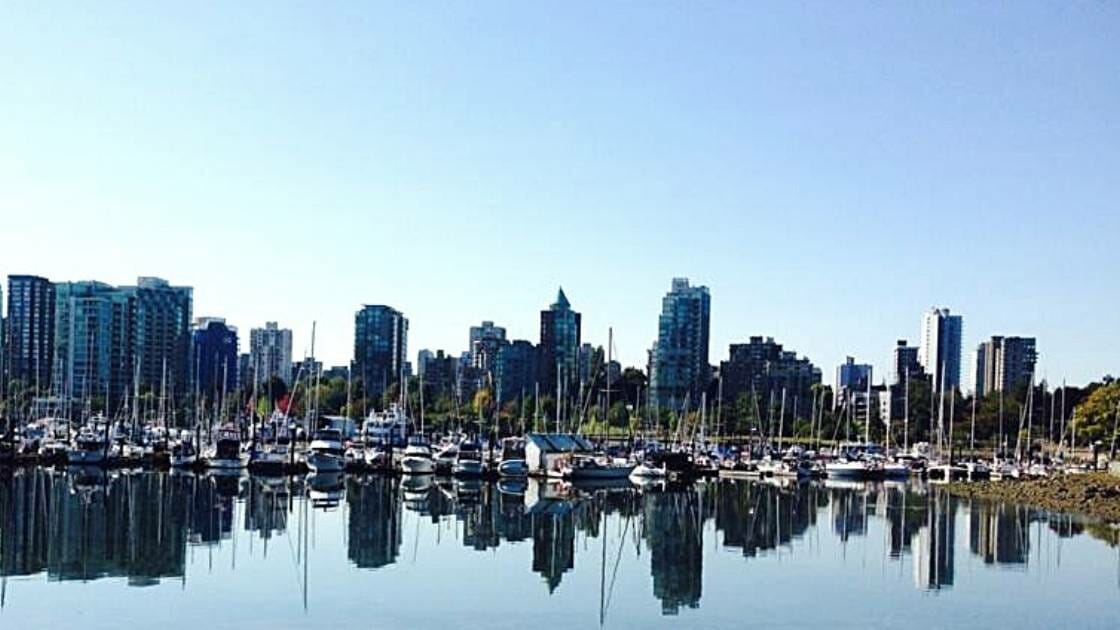
- Top things to do: Explore Stanley Park, visit Granville Island (go via the False Creek Ferries or Aquabus), take the SeaBus to Lonsdale Quay, wander neighbourhoods like Kitsilano, Main Street and Commercial Drive, window shop on Main Street (nice boutique stores and consignment stores), shop on Robson Street and Granville.
- Nightlife: Yaletown for eats and cocktails; Gastown for eats, cocktails and live music; Main Street for diverse eats and local brews, Granville Street for dancing (The Roxy for live music, Country on Sundays) and The Yale for Country.
- Cuisine: Sushi, seafood, plant-based eats, asian cuisine, casual cafes and food trucks galore.
- Outdoorsy bonus: Ocean beaches, forest trails, and mountain hikes are all within minutes of the city.
- Solo tips: The city is compact and best explored on foot. West End and Kitsilano are the best spots for sunsets and sunrises. Rent a bike and cycle the seawall for the ultimate solo day out. Gastown has the best tourist shops for souvenirs.
On the west coast, Vancouver, British Columbia, offers a beautiful balance of urban life and outdoor wellness. This is a city where you can wake up by the ocean, hike a mountain by lunch, and end your day with sushi and a craft cocktail by the harbor. Vancouver is known for its laid-back vibe, clean streets, and stunning natural surroundings. For solo travelers, it’s a compact city that is easy to navigate and filled with solo-friendly experiences. Granville Island, Stanley Park, and the North Shore Mountains are just a few of the places where you can spend peaceful hours exploring on your own. Plus, the city has strong wellness and creative cultures; think kombucha bars, yoga studios, lots of nice cafes, live music, street art and a thriving film industry.

Calgary, Alberta
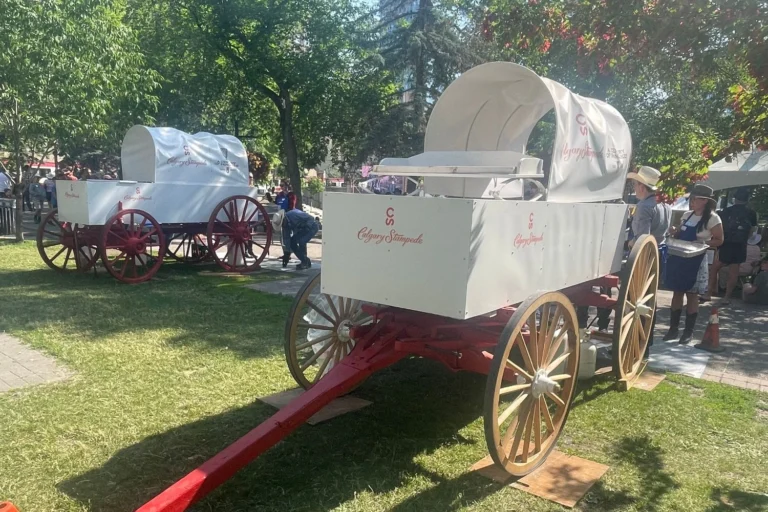
- Best time to visit: May–September for festivals and outdoor exploration, early July for the Calgary Stampede. Winter if you enjoy snowy city life and easy access to winter sports.
- Top things to do: Walk the Calgary RiverWalk, visit the Calgary Tower for city views, wander Inglewood’s independent shops, check out the Studio Bell museum if you love music, learn about the Calgary Stampede at the Sam Centre, visit Heritage Park and Gasoline Alley.
- Nightlife: Stephen Avenue and the Beltline for cocktail bars and lounges, live music venues, and relaxed pubs. During Stampede, the entire city turns into one big social live music event with multiple concerts every night. If you love Country, go to Ranchmans and Whiskey Rose Saloon
- Cuisine: Steakhouses, farm-to-table restaurants, global cuisine, and an increasingly strong café culture. Calgary is also a great city for solo dining and happy hours.
- Nature: The Rocky Mountains are just over an hour away, with easy access to national parks and scenic drives. take a day trip to Banff and Lake Louise or go to Drumheller to see dinosaurs.
- Solo tip: Don’t just spend all your time in Calgary. There are lots of easy day trips close to Calgary. If you’re visiting during Stampede, don’t just spend all your time on Stampede park. Stampede happens all over the city so plan a mix of Stampede events and city experiences so you don’t burn out socially. Choosing the right neighbourhood makes a big difference, and this guide on where to stay in Calgary as a solo female traveler breaks down the safest and most convenient areas.
Calgary is one of the most underrated cities in Canada for solo female travelers. It’s clean, friendly, and surprisingly artsy, with neighbourhoods like Inglewood and Kensington offering independent shops, cafés, and galleries that are easy to explore alone. The city is laid out simply, public transit is straightforward, and locals are approachable without being intrusive. What makes Calgary especially appealing is how effortlessly you can pair city life with nature, you can spend the morning in a café downtown and be hiking in the Rockies by afternoon. Whether you visit in summer for festivals or in winter for cozy city vibes and snowy landscapes, Calgary feels welcoming and manageable for solo travel.
If you’re curious about what makes the city such a good choice, I’ve shared more details on the reasons to visit Calgary alone, from safety and walkability to how easy it is to meet people without pressure.
Toronto, Ontario
- Best time to visit: Spring (May–June) and fall (September–October) for mild weather and fewer crowds.
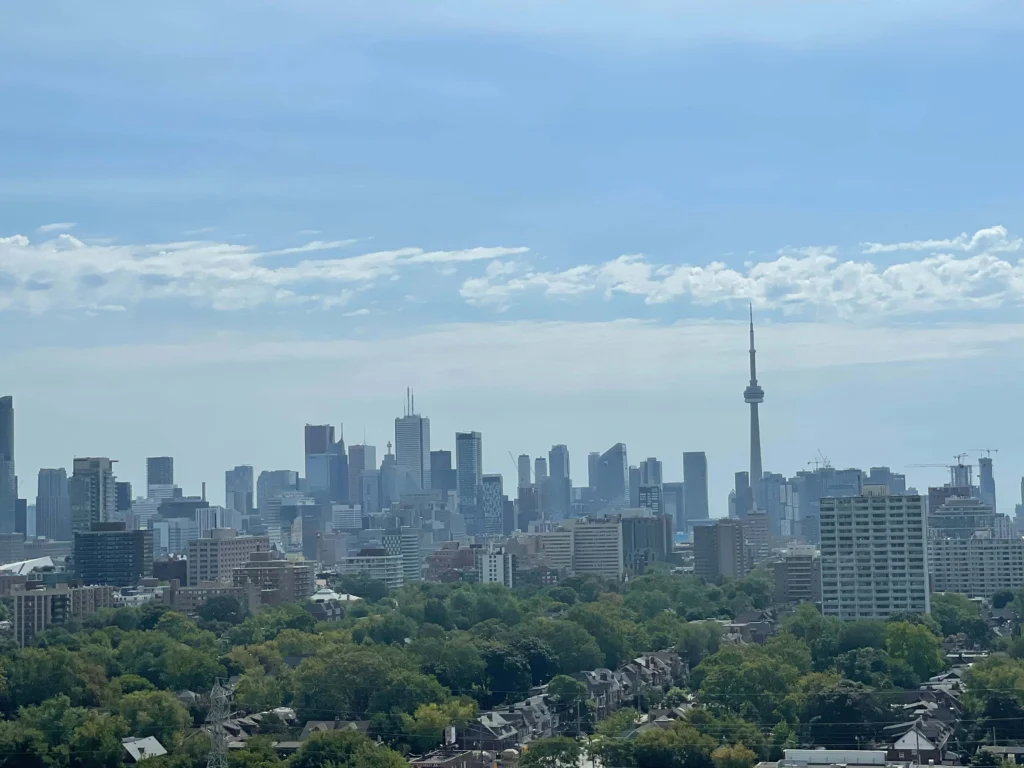
- Top things to do: CN Tower, Royal Ontario Museum, Art Gallery of Ontario, Casa Loma, Kensington Market and a stroll round the Harbourfront
- Nightlife: Trendy bars on Queen Street West and cozy speakeasies and cocktails in the Distillery District, and live music venues throughout the city
- Cuisine: One of the most diverse food scenes in the world—from Chinatown and Little Italy to Caribbean and Middle Eastern
- Nature: Waterfront trails, Toronto Islands, and large urban parks.
- Solo tip: Join a local walking food tour to explore multiple neighborhoods safely with a guide.
Toronto, Ontario, is a diverse and lively place to begin your solo adventures. It’s home to world-renowned museums like the Art Gallery of Ontario and the Royal Ontario Museum, along with character-filled neighbourhoods like Kensington Market and the Distillery District. Whether you’re catching a show in the Entertainment District or people-watching at the Harbourfront, there’s no shortage of things to do. The nightlife here is fun, with trendy bars and music venues, while the food scene offers every cuisine imaginable from authentic Ethiopian dishes to fusion food trucks that surprise and delight. The city’s multicultural atmosphere makes it feel like the world in one place, all while being completely walkable and accessible for solo travelers.
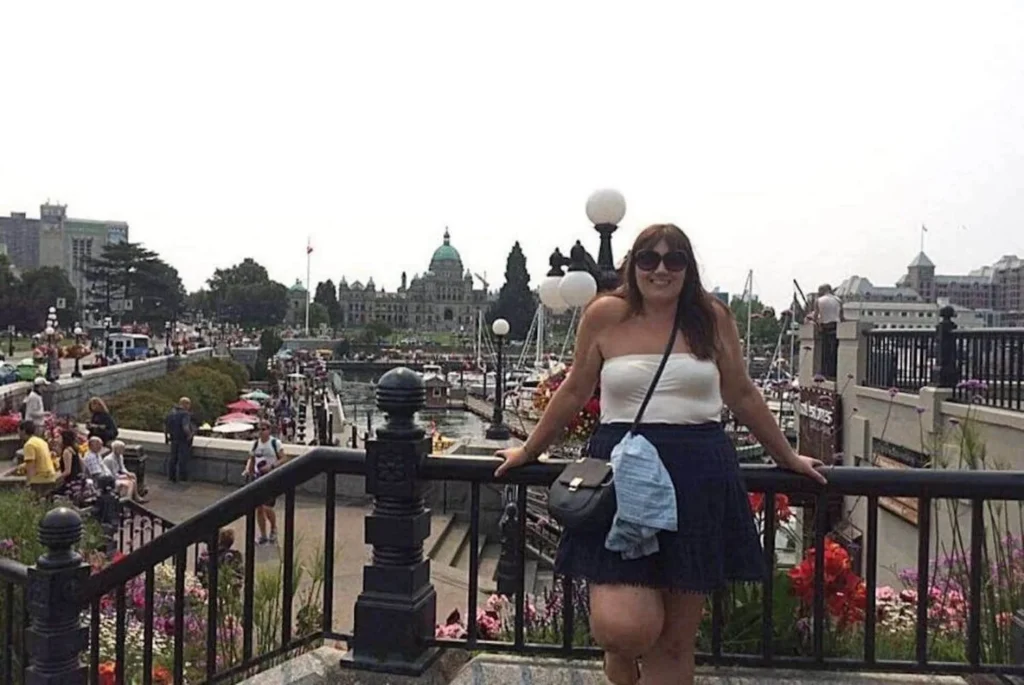
Victoria, British Columbia
- Best time to visit: March–October for mild weather and gardens in bloom.
- Top things to do: Afternoon tea at the Empress Hotel, stroll the Inner Harbour, explore Butchart Gardens, visit the Royal BC Museum
- Nightlife: Relaxed low-key pubs, cocktail lounges, and live music rather than big clubs.
- Cuisine: West Coast seafood, farm-to-table dining, bakeries and craft beer
- Nature: Coastal walks, whale-watching tours, and nearby island day trips.
- Solo tip: Take a ferry or floatplane to/from Vancouver, getting there is half the adventure!
Victoria, located on the southern tip of Vancouver Island, is another city where history and charm come together beautifully. Known for its colonial architecture, afternoon tea culture, and picturesque Inner Harbour, it’s a relaxing place to slow down and soak it all in. You can visit the Royal BC Museum, enjoy a coastal walk along Dallas Road, or take a ferry to nearby islands for a day of adventure. Its strong British influences makes it feel like a European city in a Pacific location.
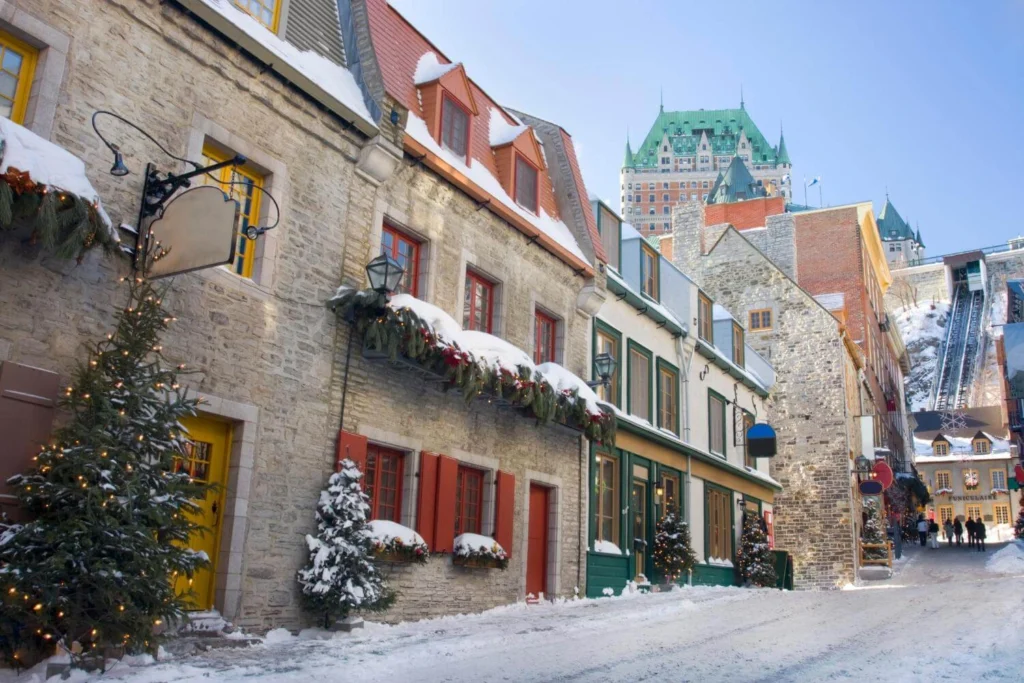
Quebec City, Quebec
- Best time to visit: June–September for festivals and patios, December–March for snow and charm;
- Top things to do: Walk the cobblestone streets of Old Quebec, visit Château Frontenac, explore the Citadel, walk Dufferin Terrace and explore Plains of Abraham.
- Nightlife: Wine bars, intimate pubs, and cultural events rather than party nightlife.
- Cuisine: Hearty Québécois meals like tourtière, maple desserts, French-inspired dining and wines.
- Nature: River views, nearby waterfalls, and scenic walking paths.
- Solo tip: Take a guided historical tour to truly appreciate the city’s past.
Quebec City is like stepping into a European fairytale, complete with cobblestone streets, French signage, and an old-world charm that’s hard to resist. The entire Old Town is a UNESCO World Heritage Site, and wandering its narrow alleys and staircases feels like a journey through time. You can visit the grand Château Frontenac, explore the Citadel, and take in sweeping river views from Dufferin Terrace. In winter, the city turns into a snowy dreamscape complete with winter carnivals, ice hotels, and toboggan rides. Quebec City is romantic and historical, and it’s just as wonderful to explore solo.
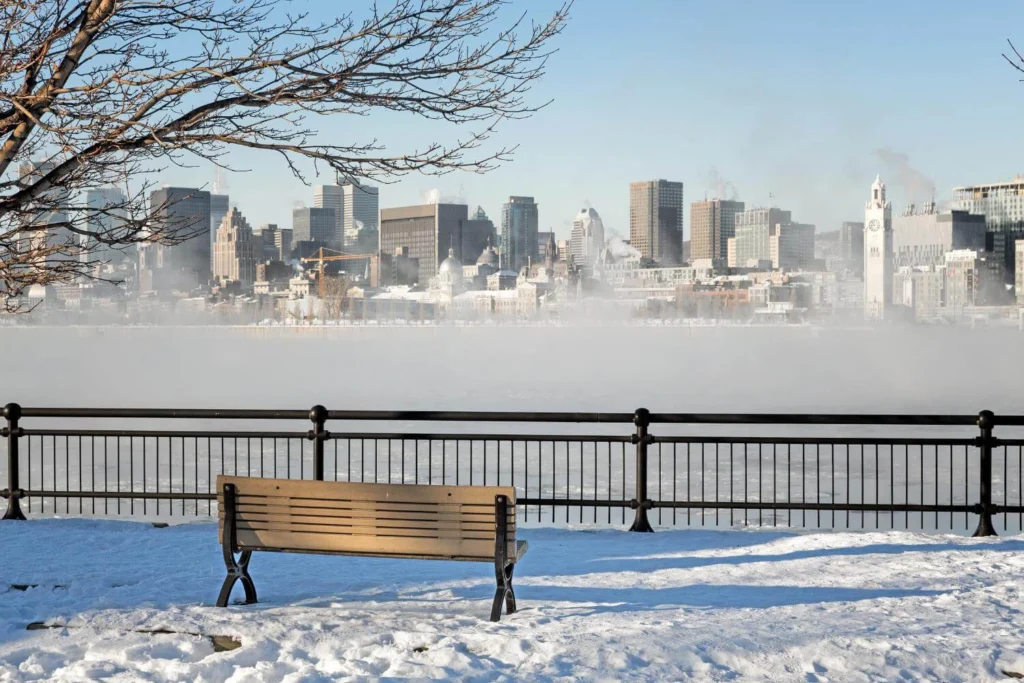
Montreal, Quebec
- Best time to visit: June–August for festivals and café culture or winter for magical snow-covered charm.
- Top things to do: Wander Old Montreal, check out the art at the Montreal Museum of Fine Arts, wander the Plateau or bike along the Lachine Canal.
- Nightlife: Live jazz clubs, rooftop bars, late-night cafés, and a thriving LGBTQ+ scene.
- Cuisine: Poutine, smoked meat, French pastries, bagels from St-Viateur, and excellent wine bars.
- Nature: Mount Royal Park offers city views and walking trails right in the centre.
- Solo tip: Brush up on a few French phrases—it’ll go a long way in connecting with locals.
Montreal, Quebec, offers a European flair that you won’t find anywhere else in North America. Its cobblestone streets, historic buildings, and lively street art give it an old-world charm that’s balanced by a thriving contemporary arts scene. You can spend your days sipping coffee in chic cafés, exploring the colorful Plateau neighbourhood, or diving into the city’s French heritage through its galleries and architecture. Montreal comes alive in the summer with festivals like Just For Laughs and the International Jazz Festival, but it’s also magical in the winter when the streets sparkle with snow and lights. The nightlife here is stylish yet welcoming, with speakeasies, rooftop bars, and live music venues that suit every mood. Even a quiet evening stroll through Old Montreal feels like a cinematic experience.
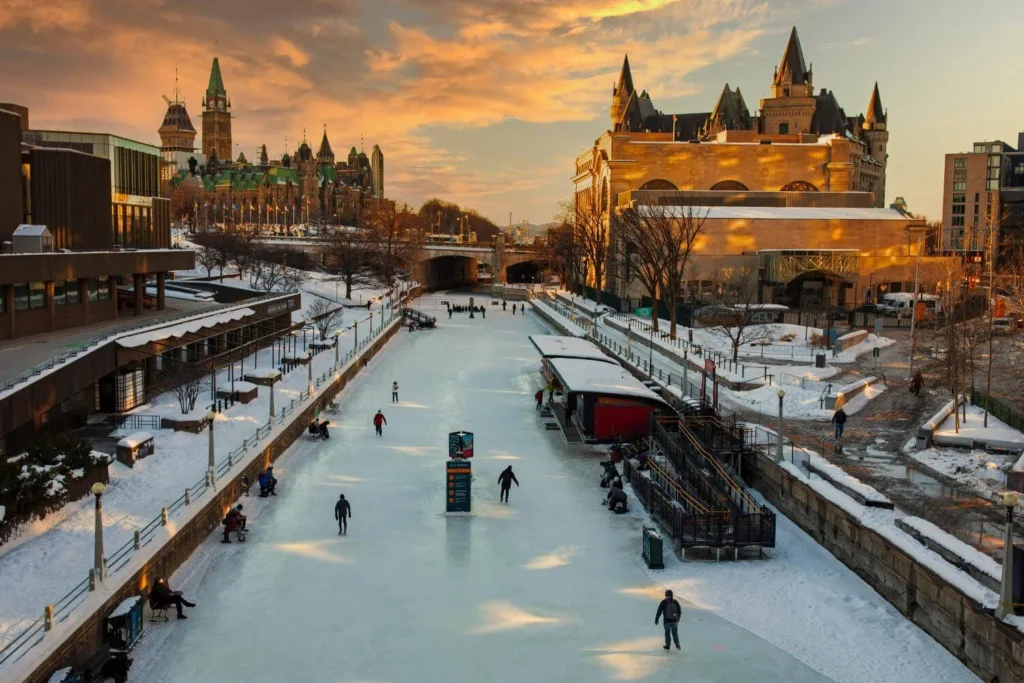
Ottawa, Ontario
- Best time to visit: Spring (for tulips) and winter (for skating on the Rideau Canal).
- Top things to do: Tour Parliament Hill, visit national museums like the Canadian Museum of History, and check out ByWard Market.
- Nightlife: Relaxed low-key pubs, live music and cultural events
- Cuisine: International dining mixed with classic Canadian comfort food.
- Nature: Canal paths, river walks, and green spaces throughout the city.
- Solo tip: Ride a city bike or hop on the scenic Ottawa River pathway for a relaxing solo afternoon.
In Ottawa, the nation’s capital, history is at the heart of everything. Whether you’re touring Parliament Hill, visiting the Canadian Museum of History, or skating along the Rideau Canal in winter, you’ll find plenty to do. The city blends tradition with a modern edge, featuring cultural festivals, art exhibits, and trendy neighbourhoods like the Glebe and Hintonburg. It’s easy to get around by foot or bike, and solo travelers will appreciate the clean streets, calm vibe, and friendly atmosphere that makes sightseeing feel safe and rewarding.
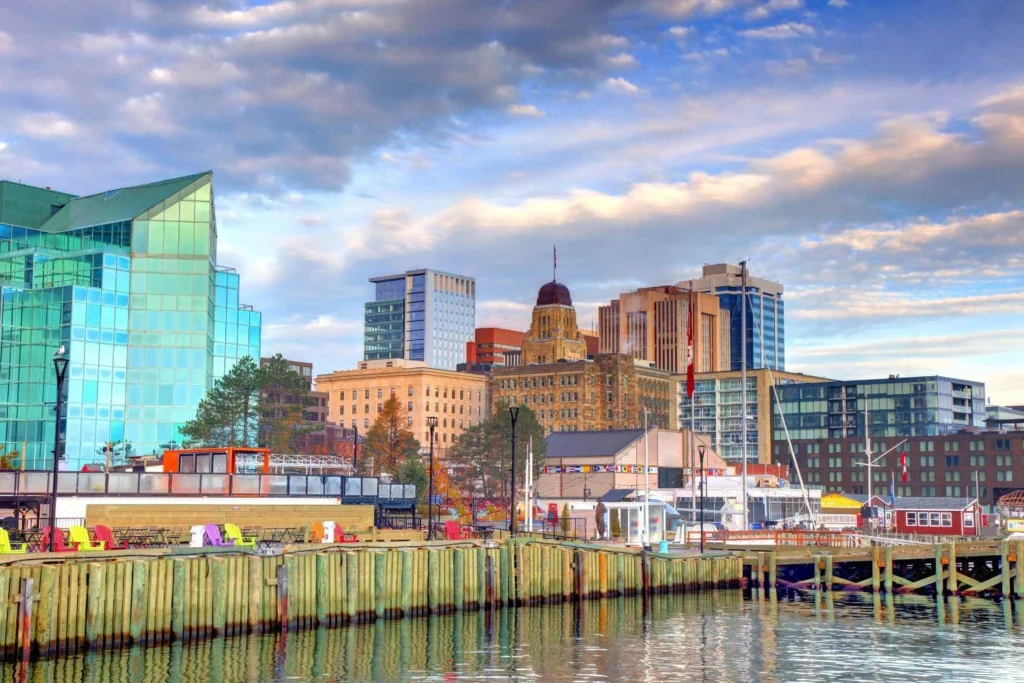
Halifax, Nova Scotia
- Best time to visit: June–September for festivals, patios, and coastal weather.
- Top things to do: Visit the Maritime Museum, take a harbor boat tour, Walk the waterfront boardwalk and sample local craft cider
- Nightlife: Lively pubs with traditional East Coast music and friendly crowds.
- Cuisine: Lobster rolls, fresh oysters, seafood chowder, fish and chips by the harbor and local craft beer.
- Nature: Coastal trails, nearby beaches, and ocean viewpoints.
- Solo tip: Stay downtown so you can easily walk to everything. Evenings feel social and welcoming; you can catch live music almost every night.
On the East Coast, Halifax, Nova Scotia, offers a refreshing, friendly alternative to bigger urban centers. This coastal city is known for its welcoming locals and walkable downtown filled with historic architecture, colorful houses, and waterfront views. There’s a relaxed rhythm to life here that makes it easy to slow down and enjoy the moment. You can stroll along the boardwalk, visit the Maritime Museum of the Atlantic, and sample some of the best seafood in the country—Halifax is famous for its lobster rolls and fresh oysters. In the evening, head to one of the city’s many pubs for live East Coast music and a pint of local craft beer. It’s a place that invites connection, conversation, and curiosity, which is exactly what solo travel is all about.
Best Nature Destinations For Solo Travelers
If your ideal solo trip involves fresh air, scenic landscapes, and time outdoors, Canada’s national parks and nature-focused regions are incredibly rewarding. Many of these destinations are well set up for independent travel, with shuttle systems, guided tours, and clear trail infrastructure that make exploring alone feel manageable and safe.
Banff & Jasper, Alberta
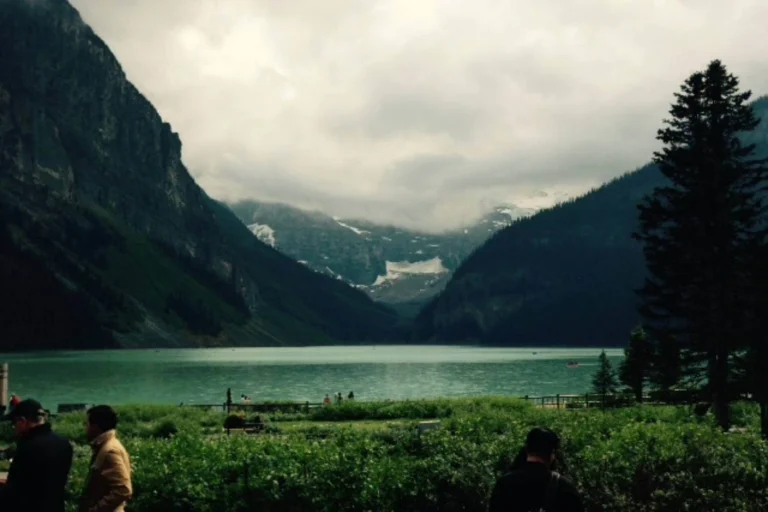
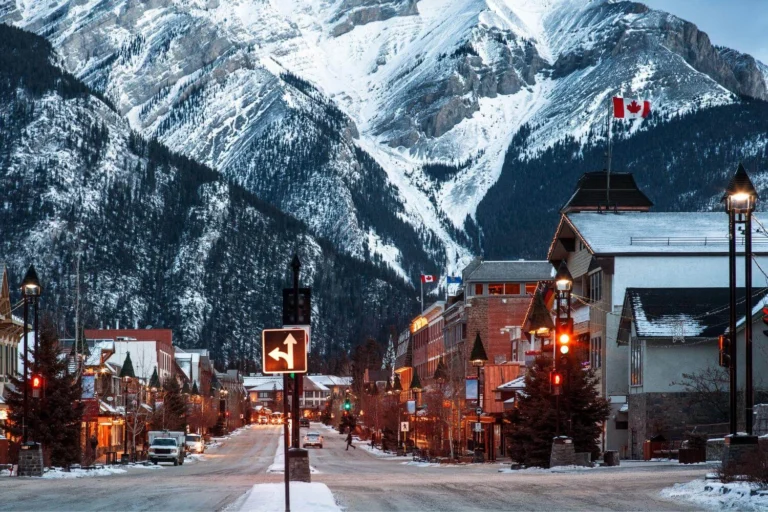
Banff & Lake Louise:
- Best time to visit: June–September for hiking and lakes, or December–March for winter sports and snowy scenery.
- Top things to do: Canoeing on Lake Louise, hiking Sulphur Mountain, walk around Lake Minnewanka, take the Banff Upper Hot Springs gondola, or spotting elk and bears on the Icefields Parkway.
- Nightlife: Low-key mountain town bars, cozy pubs, and hotel lounges rather than big nightlife scenes.
- Cuisine: Comfort food, mountain lodges, casual cafés, and international dining in Banff town.
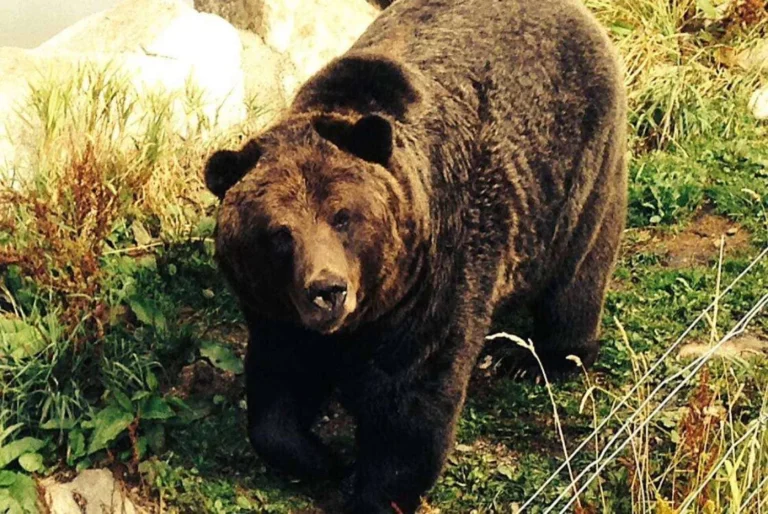
- Nature: Turquoise lakes, alpine peaks, glaciers, and scenic drives like the Icefields Parkway. Grizzly bears, elk, mountain goats, and even wolves.
- Solo tip: Use the Parks Canada shuttle system to access popular lakes without needing a car. Group tours are great for exploring places like the Icefields Parkway. Join a group hiking tour if you’re venturing into the backcountry, it’s safer and more social.
Jasper:
- Best time to visit: June–September for hiking and wildlife spotting; winter for snowshoeing and quiet landscapes.
- Top things to do: Drive or tour the Icefields Parkway, cruise Maligne Lake, hike Pyramid Mountain trails, or stargaze in the Dark Sky Preserve.
- Nightlife: Very limited. The evenings are quiet and centred around food and relaxation.
- Cuisine: Casual dining, pubs, and hearty meals suited to outdoor days.
- Nature: Wide open valleys, lakes, waterfalls, glaciers, and abundant wildlife.
- Solo tips: Jasper feels less crowded than Banff and is ideal if you want solitude without isolation.
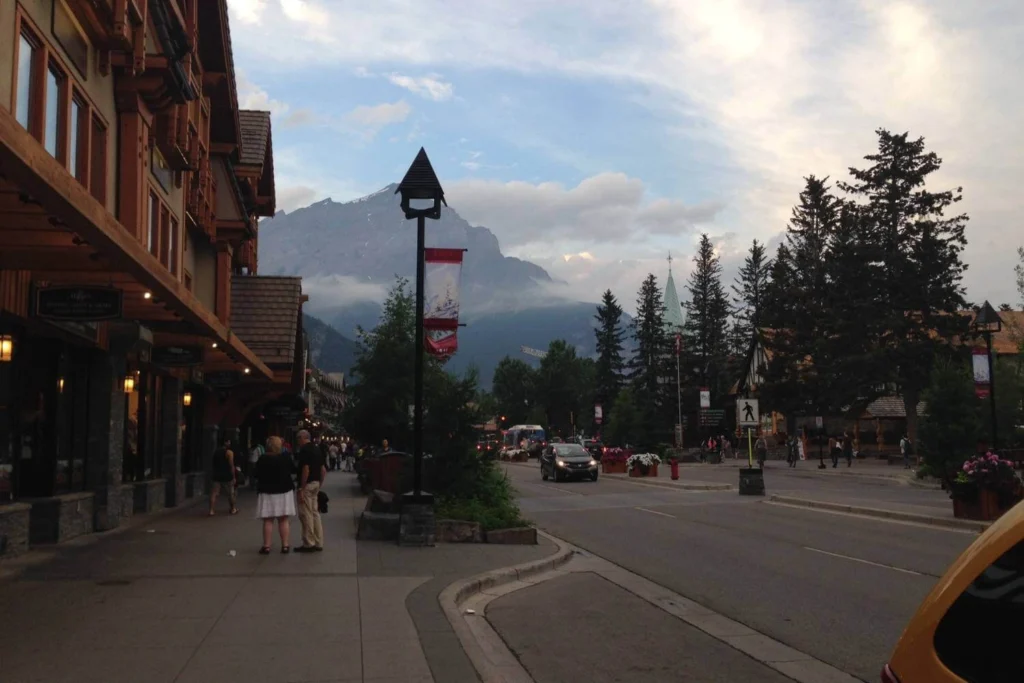
Banff and Jasper in Alberta are iconic for a reason. These two national parks offer some of the most breathtaking landscapes in the country, from turquoise lakes and rugged mountain peaks to glaciers and winding rivers. In the summer, you can hike, paddle, or cycle through these majestic settings. In the winter, the parks transform into snowy wonderlands perfect for skiing, snowshoeing, and cozying up in log cabins. Wildlife is abundant—you might spot elk, mountain goats, or even bears from a safe distance. Solo travelers will appreciate the abundance of guided tours, shuttle services, and friendly mountain towns that make navigating this area both thrilling and safe.
Whistler, British Columbia
- Best time to visit: December–March for winter sports and snowy alpine scenery; June–September for hiking, lakes, and summer festivals.
- Top things to do: Ride the Peak 2 Peak Gondola, hike alpine trails, swim at Lost Lake, explore Whistler Village, take a scenic chairlift, or join guided biking and hiking tours.
- Nightlife: Lively but contained. Après-ski bars, pubs, and cocktail lounges centred around Whistler Village rather than late-night clubbing.
- Cuisine: Casual cafés, international dining, mountain lodges, and relaxed solo-friendly restaurants throughout the village.
- Nature: Alpine mountains, lakes, forests, waterfalls, and extensive trail networks with easy access from the village.
- Solo tip: You don’t need a car. Shuttle buses from Vancouver are easy and reliable, and Whistler Village is compact, walkable, and designed for independent travelers.
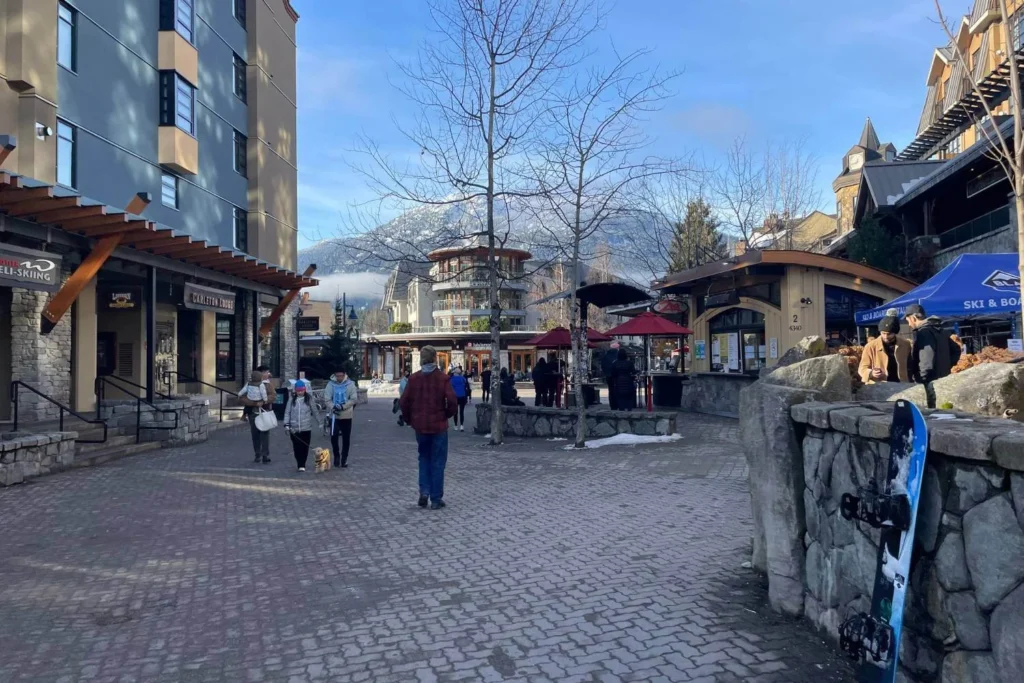
Whistler is one of the easiest and most solo-friendly mountain destinations in Canada. It combines dramatic alpine scenery with excellent infrastructure, which makes it ideal if you want nature without feeling isolated. Everything is set up for independent visitors, from lifts and trails to guided activities and village dining — so it’s easy to fill your days without over-planning. Whether you’re visiting for skiing, hiking, or simply mountain air and scenery, Whistler feels social, safe, and well-supported, making it a great option for solo women who want an active but comfortable nature escape
Vancouver Island, British Columbia
- Best time to visit: May–October for dry weather and wildlife; November–February for storm watching.
- Top things to do: Explore Pacific Rim National Park, walk Chesterman Beach, visit coastal towns, or join a whale-watching tour.
- Nightlife: Minimal nightlife. The evenings focus on dining, beach walks, and cozy accommodation outside of victoria.
- Cuisine: Seafood, cafés, bakeries, and relaxed coastal dining.
- Nature: Rainforests, rugged coastline, beaches, and marine wildlife.
- Solo tips: Base yourself in one area rather than moving around too much — travel is slower here.
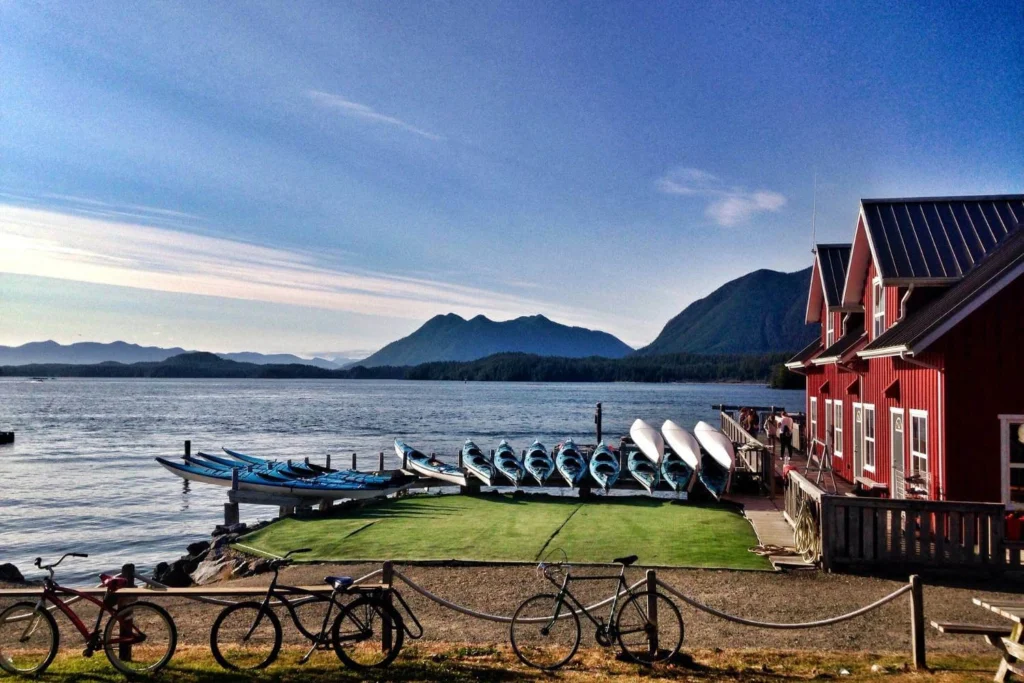
Vancouver Island is one of the most varied and rewarding solo travel destinations in Canada, offering a mix of coastal towns, wild nature, and slow-paced island life. From the creative, walkable capital city of Victoria to the rugged beaches of Tofino and the laid-back communities around Nanaimo and Sooke, the island is ideal for solo travelers who enjoy nature without feeling isolated. You can spend your days walking oceanfront paths, exploring rainforests, taking wildlife tours, or enjoying cafés and galleries in small towns where dining alone feels completely normal. The island’s friendly atmosphere, excellent ferry connections, and abundance of guided activities make it well-suited to solo women who want independence paired with ease.
Tofino, British Columbia
Within Vancouver Island, Tofino deserves its own mention for solo travelers because it’s a really popular destination in British Columbia for good reason.
- Best time to visit: May–October for surfing and hiking; November to February for storm watching and quiet retreats.
- Top things to do: Surfing lessons, rainforest walks in Pacific Rim National Park, tide pooling, storm watching.
- Nightlife: Very limited. The evenings are calm and nature-focused.
- Cuisine: Seafood, casual eateries, and cozy cafés.
- Wildlife: Wild beaches, rainforests, ocean views, and marine wildlife. Whale watching, sea otters, and bald eagles.
- Solo tip: Book accommodation early — options are limited and fill quickly in peak season. If you can, book a cabin near the beach; you’ll get solitude with a side of adventure.
Tofino, located on Vancouver Island in British Columbia, is a coastal gem where surfers, artists, and adventure-seekers converge. Known for its wild beaches, lush rainforests, and laid-back vibe, Tofino is the ultimate escape for solo travelers looking to recharge. You can take a surf lesson, explore tide pools at Chesterman Beach, or hike the trails in Pacific Rim National Park. Between November and February, the town is famous for storm watching, a moody, dramatic experience that’s best enjoyed with a good book and a hot drink by the fire. Whale watching tours are another must, offering the chance to see grey whales, humpbacks, and even orcas up close. With its combination of solitude and adventure, Tofino is a dream destination for those seeking peace, beauty, and personal growth.
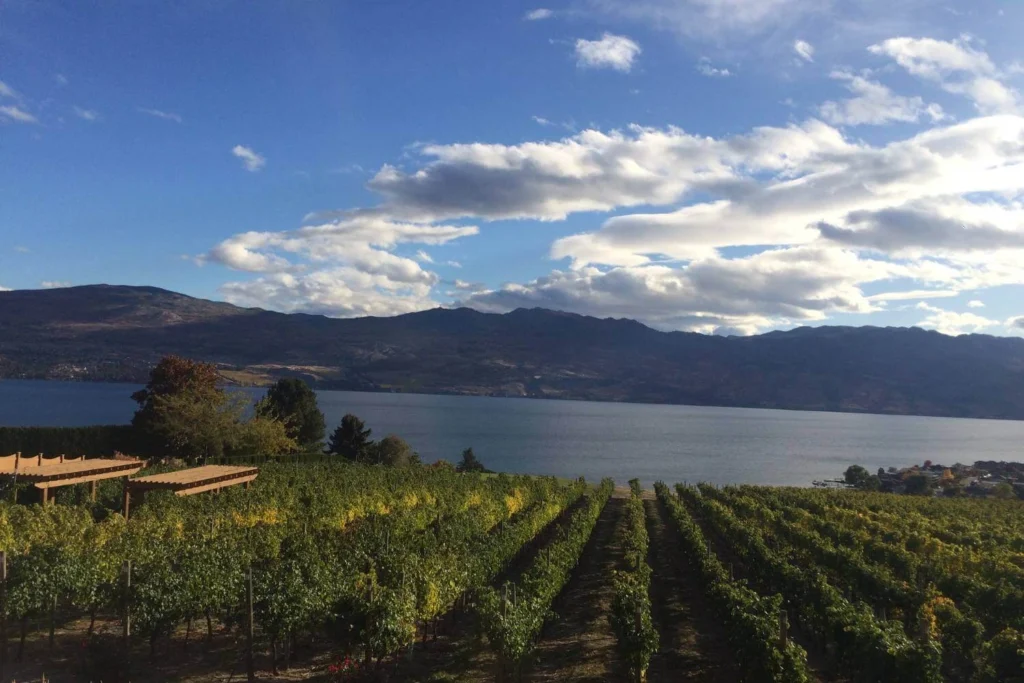
The Okanagan Valley, British Columbia
- Best time to visit: June–September for warm weather, swimming, and wineries.
- Top things to do: Visit wineries, swim in Okanagan Lake, cycle vineyard trails, or explore towns like Kelowna and Penticton.
- Nightlife: Relaxed wine bars, lakeside patios, and casual evening spots.
- Cuisine: Fresh produce, farm-to-table dining, wine-focused menus, and local cafés.
- Wildlife: Lakes, rolling hills, vineyards, and warm summer landscapes.
- Solo tip: This region works best if you’re comfortable driving or booking organized wine tours.
The Okanagan Valley offers a completely different side of Canada, with warm summer weather, lakeside towns, and a slower, more relaxed pace of travel. Known for its wineries, orchards, and long summer days, this region feels more Mediterranean than mountainous. Solo travelers often enjoy the balance of gentle outdoor activities and laid-back town life, whether that’s swimming in the lake, cycling along vineyard trails, or spending an afternoon at a winery. The Okanagan is ideal if you want sunshine, water, and a social but unhurried atmosphere that makes solo travel feel easy and restorative rather than intense.
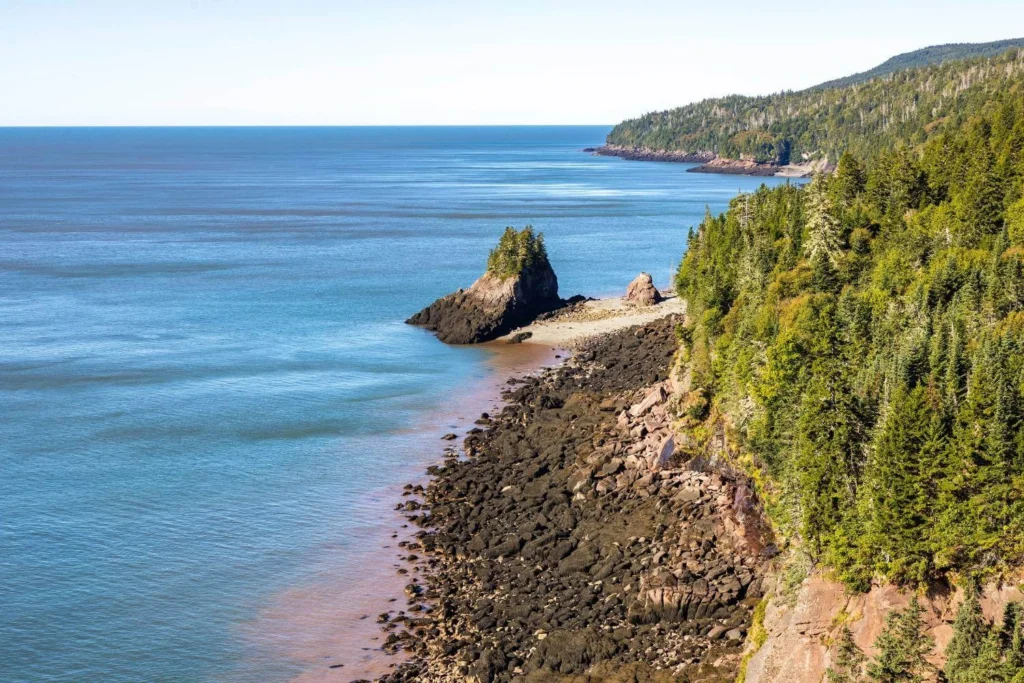
Fundy National Park, New Brunswick
- Best time to visit: May–October for hiking and coastal exploration.
- Top things to do: Hike the Fundy Footpath, kayak the Bay of Fundy, explore sea caves, and photograph the world’s highest tides.
- Nightlife: None. The evenings are quiet and nature-focused.
- Cuisine: Seafood, simple local dining, and nearby coastal towns.
- Nature: Dramatic tides, forests, cliffs, and coastal trails.Deer, foxes, and seabirds.
- Solo tip: Check tide charts before exploring, you don’t want to get caught off guard! The landscape changes dramatically throughout the day
In New Brunswick, Fundy National Park is a hidden treasure that boasts the world’s highest tides and dramatic coastal scenery. Whether you’re hiking the Fundy Footpath, exploring sea caves, or kayaking along the bay, this park offers a magical connection to nature. The tides change the landscape so drastically throughout the day that it feels like you’re witnessing nature’s art in motion. Fundy is especially enchanting in late summer and early autumn when the colors begin to shift and the air is crisp and clear. It’s a quiet place, perfect for solo reflection and outdoor adventure without the crowds.
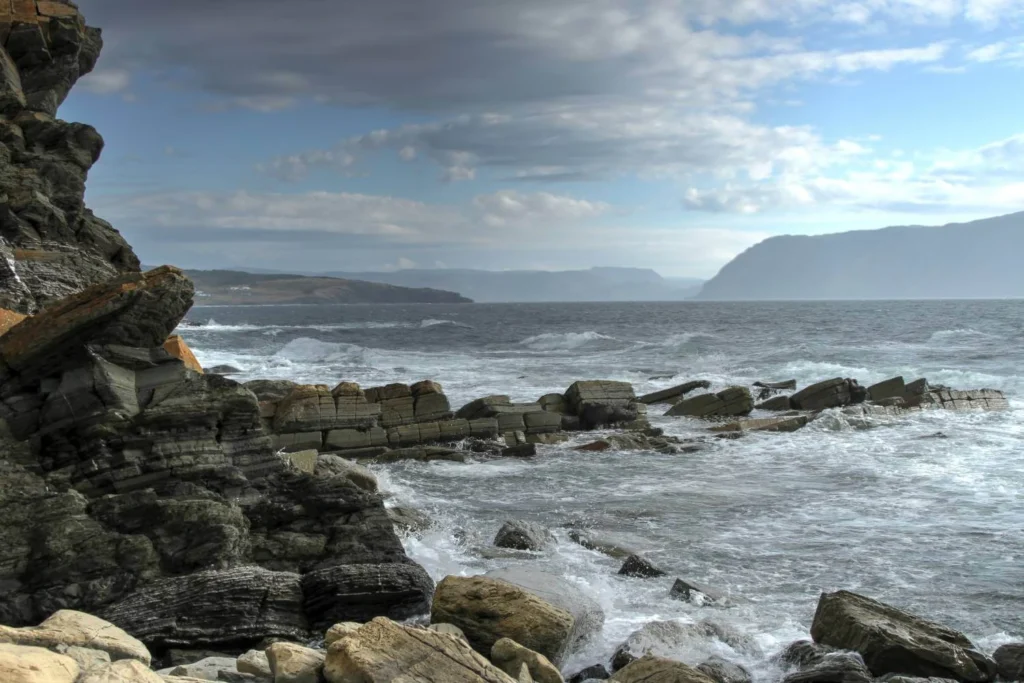
Gros Morne National Park, Newfoundland
- Best time to visit: June–September for hiking, boat tours, and accessibility.
- Top things to do: Explore fjords, hike the Tablelands,cruise Western Brook Pond, visit fishing villages.
- Nightlife: Very limited. Evenings are slow and peaceful.
- Cuisine: Seafood, hearty comfort food, and local specialities.
- Wildlife: Moose, caribou, and seabirds like puffins. Fjords, cliffs, geological formations, and remote landscapes.
- Solo tip: The park is remote so download maps, plan logistics ahead of time and bring what you need. Services are limited and distances are long.
For a truly off-the-beaten-path experience, Gros Morne National Park in Newfoundland delivers dramatic fjords, remote hiking trails, and geological wonders like the Tablelands. This UNESCO World Heritage Site feels untouched, with a raw, wild beauty that’s deeply humbling. You’ll find boat tours, guided hikes, and cozy accommodations in nearby fishing villages. It’s a place to unplug completely and tune into the rhythms of the land and sea. The locals are incredibly friendly, often striking up conversations or offering travel tips over a cup of tea. If you’re looking for solitude and meaningful connection with nature, this is the place to go.
Off-The-Beaten-Path Solo Destinations
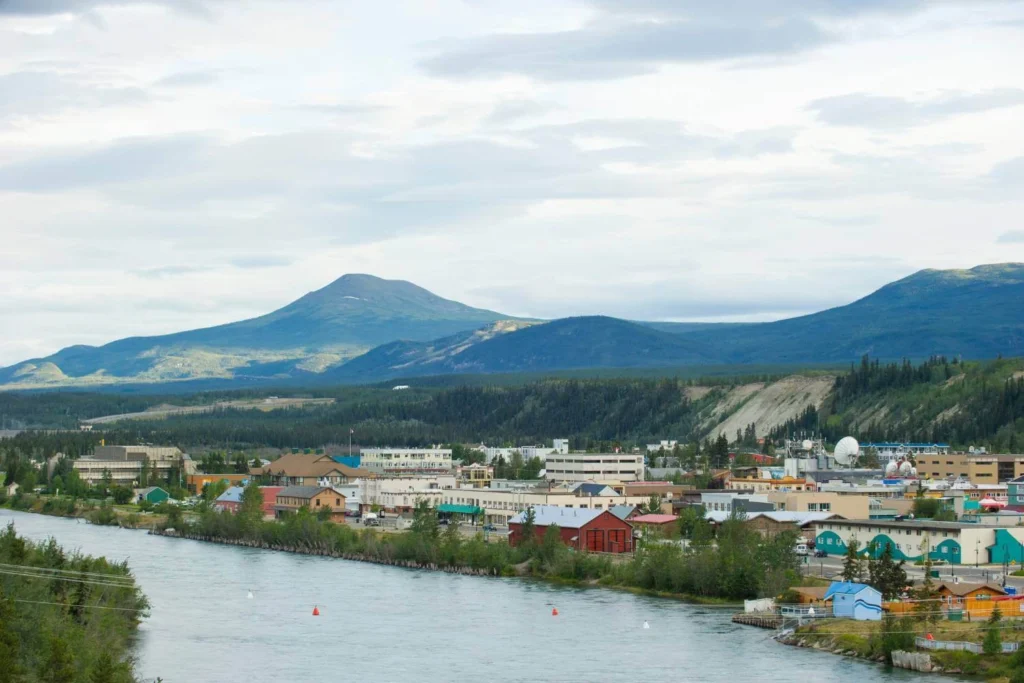
Whitehorse, Yukon
- Best time to visit: February–March for northern lights and winter activities; June–August for long daylight hours and summer adventures.
- Top things to do: See the northern lights, soak in Eclipse Nordic Hot Springs, hike Miles Canyon, visit the Yukon Beringia Interpretive Centre.
- Nightlife: Very low-key. Think cozy pubs, live folk or local music, and early nights rather than clubbing.
- Cuisine: Hearty comfort food, wild game, local fish, and excellent bakeries and cafés for such a remote location.
- Nature: Vast wilderness, rivers, mountains, and endless open space. Easy access to hiking, canoeing, and wildlife viewing.
- Solo tips: Book guided tours in winter for safety and social connection. Embrace slower days and quieter evenings, that’s part of the appeal.
Whitehorse is ideal for solo travelers who want space, reflection, and a true sense of adventure without crowds. It’s one of the easiest places in Canada to experience the north without needing extreme survival skills. While it’s quiet and remote, the community is friendly, organised, and used to solo visitors. Whitehorse suits confident solo women who enjoy nature, winter experiences, and slowing down rather than constant stimulation.
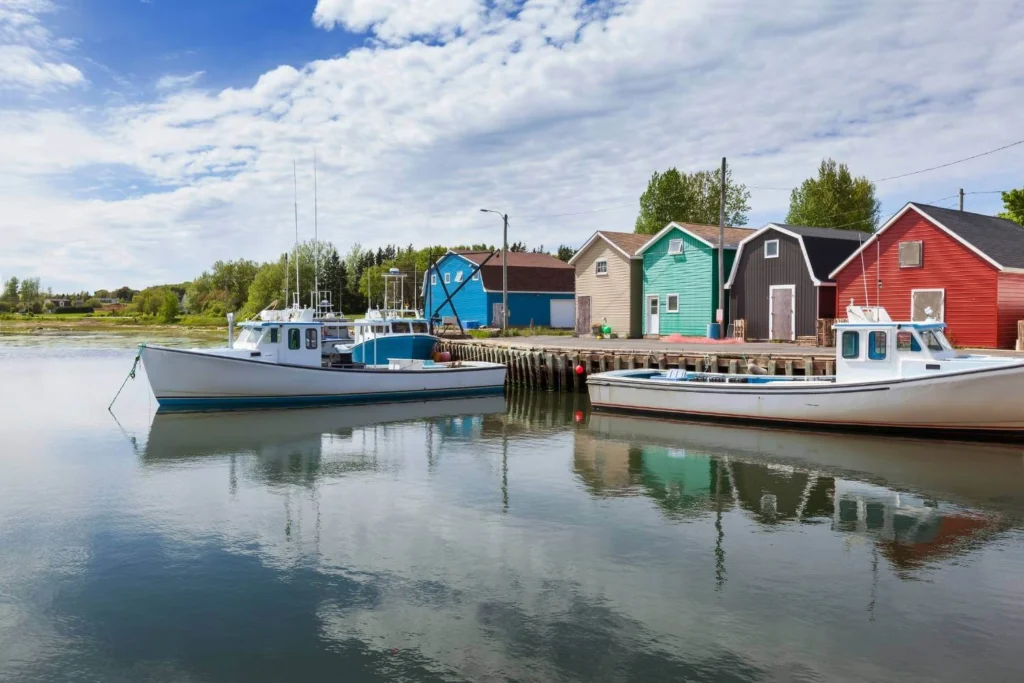
Charlottetown, Prince Edward Island
- Best time to visit: June–September, with July and August offering the warmest weather and most events.
- Top things to do: Walk the historic waterfront, visit Province House, explore nearby beaches, take a coastal drive, and browse local markets.
- Nightlife: Gentle and social. Pubs with live music, waterfront bars, and evening walks rather than late-night partying.
- Cuisine: Seafood-focused, lobster, mussels, oysters, plus ice cream shops, bakeries, and casual coastal dining.
- Nature: Red-sand beaches, coastal trails, rolling countryside, and easy day trips across the island.
- Solo tips: Stay centrally so you can walk everywhere. Summer festivals and live music nights are easy ways to be around people without pressure.
Charlottetown is a gentle, welcoming destination that feels especially comfortable for solo women. It’s small enough to navigate easily but lively enough in summer to avoid feeling isolated. The pace is relaxed, locals are friendly, and spending time alone never feels awkward. If you want a peaceful, scenic solo trip with strong community energy, Charlottetown is a lovely choice.
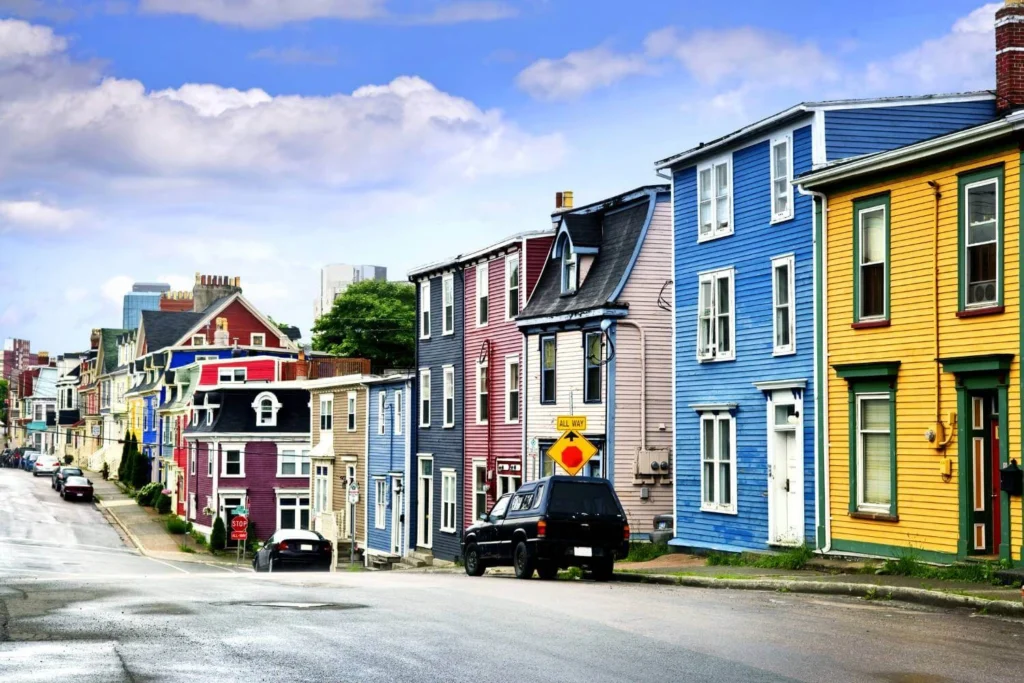
St John’s (Newfoundland)
- Best time to visit: June–September for milder weather, whale watching, and festivals.
- Top things to do: Walk Signal Hill, explore Jelly Bean Row houses, visit Cape Spear, take a boat tour for whales and seabirds.
- Nightlife: One of the most social pub scenes in Canada. Live music, singalongs, and friendly conversation are the norm.
- Cuisine: Fresh seafood, cod dishes, chowder, and traditional Newfoundland comfort food.
- Nature: Dramatic cliffs, rugged coastline, ocean views, and nearby hiking trails with wildlife sightings.
- Solo tips: Sit at the bar in pubs, locals will talk to you. Bring layers; weather changes quickly.
St John’s is one of the most unexpectedly social solo travel destinations in Canada. While it’s geographically remote, it’s emotionally welcoming. Locals are known for striking up conversations, especially in pubs and music venues, which makes it easy to feel connected even when traveling alone. St John’s combines raw coastal beauty with strong community spirit, making it an excellent option for solo travelers who want culture, warmth, and character.
Tips For Choosing The Right Solo Destination In Canada
Canada is vast, and the best destination for you depends far more on your travel style than on what’s “popular.” Choosing the right place as a solo traveler is about aligning the destination with your energy levels, comfort zones, and what you want this trip to give you.
Weather And Seasons
Canada’s seasons are distinct, and they dramatically shape the experience of each destination. Some places thrive in summer but feel quiet in winter, while others shine year-round.
If you love warmth, patios, and festivals, summer destinations like Vancouver, Calgary, Toronto, Montreal, the Okanagan, Halifax and St John are all great options. If you prefer quieter travel, scenic landscapes, and fewer crowds, fall and spring will feel more relaxed and reflective. Winter travel requires more planning but can be deeply rewarding if you enjoy structure, seasonal activities, and slower days.
Be honest about how much cold, heat, or unpredictability you enjoy because it makes a big difference to how comfortable solo travel feels.
Activities You Enjoy
Think about how you like to spend your days when traveling alone. If you love cities, culture, museums, cafés, and neighbourhood wandering, places like Toronto, Montreal, Vancouver, Calgary and Ottawa are great options. If nature resets you, destinations like Banff, Jasper, Vancouver Island, Gros Morne, or Fundy National Park may suit you better.
There’s no need to force yourself into adventure travel if you don’t enjoy it. Canada offers gentle exploration just as easily as high-adrenaline experiences.
Budget And Travel Costs
Canada can be expensive, but costs vary widely by destination and season. Major cities and national parks during peak summer are the most expensive. Shoulder seasons offer better accommodation prices and fewer crowds. Smaller cities, Atlantic Canada, and some off-the-beaten-path destinations can feel far more affordable while still offering rich experiences.
Factor in accommodation, food, transport, and tours, and remember that guided activities can sometimes be safer and more cost-effective than doing everything independently.
Comfort Level With Independence
Some destinations require more planning, confidence, or comfort with solitude than others. If this is your first solo trip, cities with strong infrastructure and easy navigation are a great starting point. If you’re more experienced and enjoy space and quiet, remote or less-touristed regions may feel empowering rather than isolating. There’s no hierarchy here, it’s just different seasons of solo travel.

Solo Safety Tips For Visiting Canada Alone
Canada is widely considered one of the safest countries in the world for solo travelers, but safety still comes down to awareness, preparation, and trusting your instincts.
General Safety Tips
Canada’s cities are generally safe, clean, and well-lit, especially in central areas. Violent crime rates are low, and solo women are a common sight. Stick to well-connected neighbourhoods, trust your intuition, and don’t feel pressured to be polite at the expense of your comfort. If something feels off, it’s okay to remove yourself.
Nightlife Tips
Going out alone is normal in Canada, particularly in bars, pubs, and live music venues. Sitting at the bar is common and often social. Keep standard precautions in mind, watch your drink, plan your route home, and don’t feel obligated to stay somewhere you’re not enjoying. Ride-shares and public transport are widely available in major cities.
Transit Basics
Public transport is reliable in most large cities, though coverage drops outside urban centres. Trains, buses, ferries, and shuttles make it possible to explore much of Canada without a car, but always check schedules in advance, especially in rural areas or during shoulder seasons.
Wildlife Awareness
Canada’s wildlife is incredible — and should always be respected. In national parks and rural areas, follow posted guidance, carry bear spray where advised, and avoid hiking alone in remote areas unless the trail is well-trafficked. Guided tours are often the safest and most rewarding way to experience wildlife.
Canada Is A Great Option For Solo Travelers
Canada offers something rare for solo travelers, a sense of freedom without constant vigilance and a lot of diversity. It’s a country where independence is normal, doing things alone isn’t questioned, and support systems quietly exist in the background.
Whether you’re drawn to cities, nature, culture, or slow travel, Canada gives you space to explore on your own terms. You don’t need to rush, perform, or constantly explain yourself. You’re free to move at your own pace, follow your curiosity, and build confidence through experience rather than pressure.
If you’re choosing Canada for your solo trip, you’re choosing a destination that supports growth, reflection, and genuine enjoyment — not just ticking places off a list.And if you’re still deciding whether Canada is the right destination for your next solo trip, this post on reasons to visit Canada as a solo traveler explores what makes the country such a supportive, confidence-building place to travel independently.
Share Me
If you found this post helpful, share it or pin it! It’s one of the best ways to show your support. Thank you!

Gemma Lawrence is a British expat, solo female travel blogger, and the creator of This Brit’s Life — a travel and lifestyle blog that helps women explore the world confidently, live abroad independently, and stay informed about global issues.
Born and raised in England, Gemma has been living in British Columbia, Canada since 2016 and has been traveling solo for over a decade. With a background in journalism and over ten years of experience in digital marketing and communications — including leadership roles with the International Association of Business Communicators (IABC/BC) — she brings both storytelling and strategy to her writing.
Through her posts, Gemma shares practical solo travel advice, expat insights, and confidence-building resources, while also covering broader topics like women’s rights, democracy, and self-care. Her goal is to inspire independence, awareness, and personal growth — one adventure at a time