How To Plan A Solo Trip: The Simple System I Use Every Time
Planning a solo trip can feel equal parts exciting and stressful. There’s so much to think about; where to go, how long to go for, how much to spend, what to pack, and what you’re going to do once you arrive. And when you’re traveling alone, there’s no one else to share the decision-making with. It’s all on you, which can make even a fun trip idea start to feel like a full-time job.
But solo travel doesn’t have to be complicated. The secret is having a simple planning process you can repeat every time, so you’re not reinventing the wheel for every new destination. Once you’ve chosen where you’re going, set a realistic budget, and sorted your “arrival basics” like accommodation and transport, the rest becomes so much easier. You will feel organized rather than overwhelmed, and the planning phase becomes part of the adventure.
In this guide, I’m walking you through the exact steps I use to plan solo trips without overthinking everything. It’s practical, flexible, and designed to help you feel confident before you even leave home.
Quick Overview: How To Plan A Solo Trip
- Choose a destination that fits your comfort level
- Set a realistic budget with a 10%-15% buffer
- Book accommodation in a safe, central area
- Arrange flights and transport early
- Research the destination like a local not a tourist
- Build a flexible itinerary
- Do final preparations for your trip
Choose A Destination For Your Solo Trip
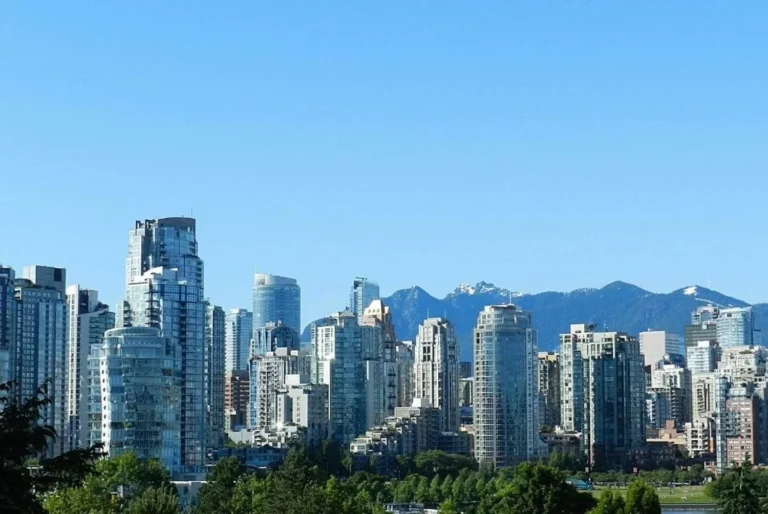
The first step to planning your solo trip is choosing the right destination for you. Think about your personality, travel experience, and comfort level. If you’re new to solo travel and nervous about traveling, starting somewhere where the logistics are easy, the locals are friendly, and English is widely spoken will help build your confidence.
Look at popular destinations that are well-known for their safety and welcoming culture. Countries like Canada, Australia, New Zealand, England, Ireland, are all great options for your first solo trip if you want to minimize any language barriers or culture shock. If you’re not concerned about any language barriers, Japan is also a good option.
Research Solo Destinations:
- Browse Pinterest for inspiration
- Read travel blogs
- Use Skyscanner’s “Everywhere” feature to find the cheapest flights from anywhere
- Watch travel documentaries
- Ask around, talk to people!
- Play Earth Roulette
- Check for travel advisories before making final selections
Questions That Will Help You Decide Where To Go:
- How many days can I go away for?
- How solo-friendly is it?
- Do I want city energy, nature and wildlife adventures or coastal calm?
- What’s the average cost for this destination? Is it a cheap or expensive place to visit?
- Am I more comfortable going somewhere with a planned itinerary or will I enjoy spontaneous exploring more?
- Are there particular things I want to see or do?
Passport Requirements For Destinations
Most countries require at least 6 months remaining on your passport after your planned return date. So, if you are coming back in November as an example, your passport’s expiry needs to be at least the following May. Many of these countries especially in Europe and Asia enforce the 6-month rule so you won’t be able to board your flight if you don’t meet it. Also, always check entry requirements for your nationality, not just the destination.
This does vary by destination though so just check your destination’s rules before you book your trip. Use the IATA Travel Centre and your government’s travel advisories to find out the specific requirements for your destination.
If your passport is at risk of expiring, apply for or renew your passport at least 6-9 months before you plan to travel. It will just allow for any delays.
Set A Realistic Solo Travel Budget Early (Include A Backup Fund)
Your budget will set the tone for the whole trip. So setting a realistic solo travel budget very early on in your planning will help you choose destinations, accommodation, and activities without stress later. It might also influence where you decide to go, and how long you go for.
I always start by roughly writing down 6 key things:
- Total budget for the trip
- Absolute maximum I can afford to spend for the solo trip
- Flights or transport costs
- The average cost of flights to and from the destination. If it varies drastically, jot down the higher price.
- Rough cost of any other transport during the trip.
- Include getting to your accommodation, getting to every activity in your itinerary and any transit passes.
- Accommodation
- Rough cost of all accommodation. If undecided about hotels, hostels or Airbnbs, write down cost for all 3 options.
- Include any security deposits you’ll have to pay when booking or checking in.
- Include any resort fees or parking, if you’ll have a car.
- Activities
- If you’ve chosen your destination, focus on the main activities you want to do and total them up
- If you’re undecided about destination, just do a rough daily spend
- Food & Drink
- Set a rough daily budget for meals (base it on average cost of eating out at the destination).
- Happy hours, bars/pubs (do a rough estimate based on the average costs of beer/wine/cocktails at the destination and how much you are likely to drink)
- Emergency Buffer
- Add a 10–15% buffer for unexpected moments, because things will come up. This extra flexibility will make it less stressful financially when plans change or opportunities pop up.
Tools To Help You Set Your Travel Budget
- Google Sheets or Notion for tracking your trip costs
- I always create a google sheet for my solo trips
- XE Currency for conversions

Book Safe, Central Accommodation For Your Solo Trip
Choosing the right accommodation is one of the most important parts of solo trip planning, especially for safety and confidence. Over time you’ll get more confident about choosing accommodation for your solo trips.
There are several things you need to look at when deciding where to stay;
- Travel budget for accommodation
- What are the safest areas for solo travelers? Are there any areas you should avoid?
- For each possible accommodation, what is the distance to/from the airport roughly? and how easy is it to get to/from airport (or whatever transport you are taking)?
- How central the accommodation is
- Distance from tourist attractions
- Distance from restaurants, bars and nightlife
- How easy it will be to get around (is the area walkable? what is the local transit like?)
- Reviews for the accommodation (overall score, most recent reviews from solo travelers, look at reviews on more than one travel site if you can)
- The cancellation policy
- Write down the deadlines for cancellations and put reminders in your calendar.
Pro Tips:
- For booking hotels start with booking.com and Expedia
- You might be able to save money by booking accommodation and flights together
- For booking a hostel, use hostelworld.com and Hostelling International (HI)
- If you are a content creator, try reaching out to hotels and hostels to see if they could give you a media rate in exchange for exposure on your platforms.
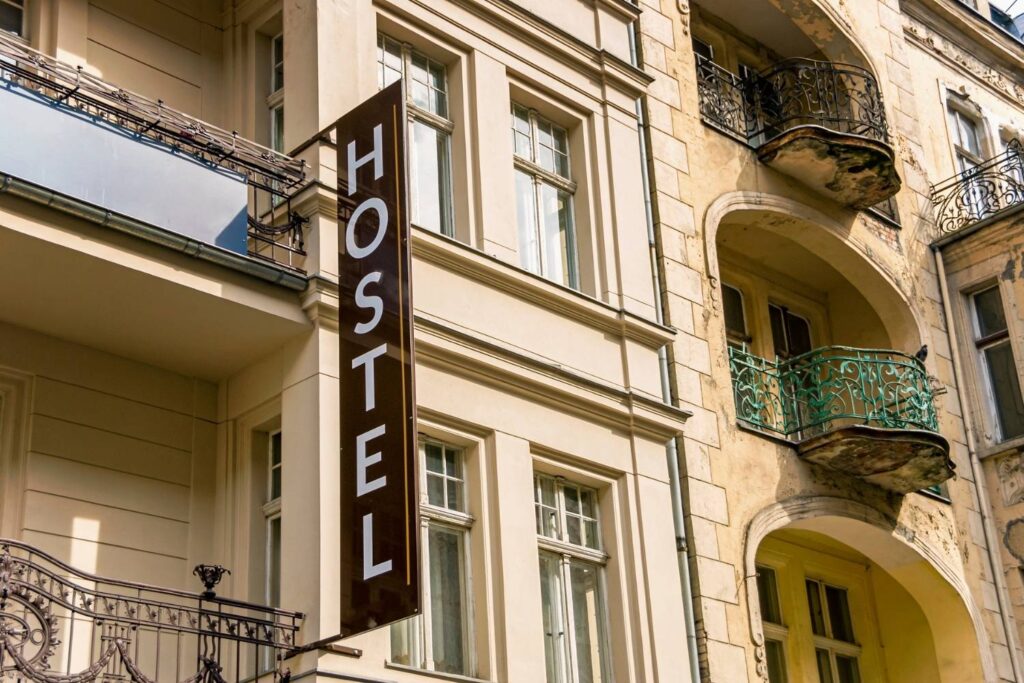
Decide On A Hotel, Hostel Or Airbnb For Your Solo Trip
Benefits Of A Hotel
- Often includes several extra services:
- Airport pick up service
- Housekeeping
- Room service
- Breakfast included
- On-site restaurants/bars
- On-site gym/pool
- Spas
- Front desk
- Concierge
- Security staff
- Most luxurious option
Benefits Of A Hostel
- Usually the most affordable option
- Great for solo travelers especially if you want to be social
- Opportunities to meet other travelers
- Fun activities; many offer events and activities like a pub crawl, social hour or walking tour
- On-site kitchen
- Sometimes has an on-site cafe/restaurant/bar
- Usually has pay-per-load laundry
- Lockers for personal belongings
- Front desk
- Choice of shared or private rooms at different prices
Benefits Of An Airbnb
- Generally more affordable than hotels
- Sometimes cheaper than hostels as well
- Often includes a kitchen
- Discounts for longer stays
- Usually the most spacious option
- Laundry usually available
- Local recommendations from the host
Book The Flights For Your Trip
As soon as your accommodation is booked, start booking your transport. If you need flights, sort those first. Here are a few tips to help you find and book your flights:
- Always search for flights in an incognito window. If you don’t, prices will likely increase, sometimes skyrocketing as you are searching.
- If you can be flexible with your travel dates, check the cheapest days to fly.
- Skyscanner and Google Flights are great for checking flight options overall.
- Skyscanner is best site for booking flights, but sometimes you can get the same prices directly with the airlines (and earn points).
- Check Expedia as well, especially for multi-city bookings.
- Many cities have multiple airports. Research the distance between your accommodation and each airport. Flight prices can also vary significantly depending on which airport you fly in and out of.
- Always read the fine print and check travel requirements for your destination. You can be charged if you don’t have the correct travel documents.
Research Like A Local (Not a Tourist)
Depending on the destination, solo trips can require pretty careful research and planning, but that’s where the magic happens — even if you plan to be spontaneous once you arrive. So, now that your accommodation and transport is sorted, it’s time for the most exciting part of planning a solo trip. You can start thinking about exactly what you want to do, what sights you want to see and what food and drinks you want to try.
Instead of just looking for “the best things to do” on Google and travel sites like Expedia, Get Your Guide, Viator, go deeper. Find out what is popular with locals, and look for hidden gems.
- Pinterest – it is a goldmine for travel research.
- As it’s a visual platform, it’s easy to see beautiful destinations, fun things to do, yummy things to eat, must-visit spots.
- It is also the best place to find bloggers who are experts on the destinations you want to visit. It will show you independent travel bloggers rather than sites like Expedia or Reddit.
- Blog posts (especially female traveler perspectives)
- YouTube vlogs showing solo experiences
- Social media posts
- Destination websites
- Reddit threads or Facebook groups for firsthand advice
- Another way to find great local restaurants is on YouTube channels like Insider Food
Things To Research For Every Destination
- What are the best things to do there? What’s the opening times and cost of popular attractions? What will I need to book in advance?
- Beyond the popular tourist attractions, what else is there to do?
- What level of safety and accessibility do I need?
- How easy is it to get around? Is there good public transit?
- Food and drink recommendations, what places are popular with locals?
- Are there day trips or tours to do?
- What is the nightlife like? Are there solo-friendly bars and pubs? places for live music or shows?
- Are there any local customs or cultural norms that I should be aware of?
- Is there anything I will have to buy for the destination, like particular clothing?
- How will I get to and from the airport?
- What are my options for meals on my first day? Are there nice restaurants near my accommodation for my first night? After traveling for several hours, you won’t want to wander unfamiliar streets at night to find a place to eat.
Pro Tips:
- Create a saved map on Google Maps for must-visit spots, restaurants, and cafés you find while researching. It will make spontaneous exploration so much easier when you’re actually there.
- Include practical things like getting currency, and any dress codes in your research
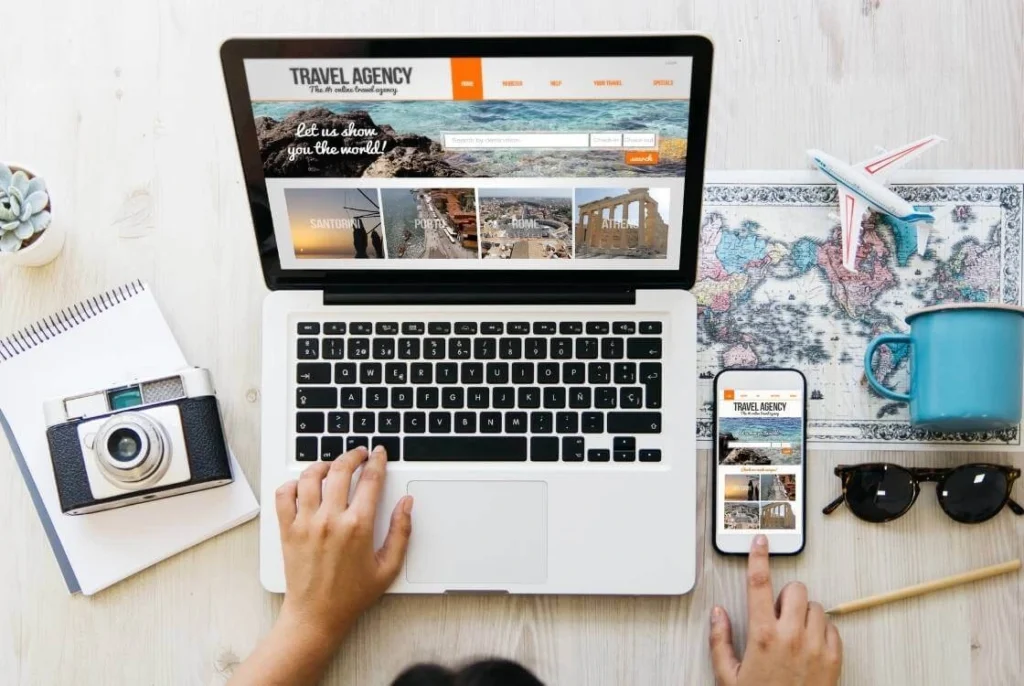
Build A Flexible Itinerary For Your Solo Trip
It’s tempting to fill every hour, but overplanning kills the joy of solo travel. Instead, plan “anchor activities” — 1–2 highlights per day and leave room for unplanned discoveries.
A good rhythm is:
- Morning: A key attraction or activity
- Afternoon: Open exploration time
- Evening: Relaxed meal or local event
Steal My Process For Creating Itineraries
This step-by-step approach works whether you’re planning your first solo trip or your tenth. It also works for planning group travel. I always do all of this in a Google Doc, but you don’t have to.
- Step 1: List all the attractions, sights and activities that you want to see and do – Include opening hours, address and time required for each individual thing.
- Many museums and galleries are closed on Sundays, Mondays and/or Tuesdays. Note the attractions that have very restricted opening hours.
- Buy tickets for attractions once the itinerary done especially for anything that is popular or needs to be booked in advance.
- Step 2: Use Google Maps to find out where everything you want to do is in proximity to each other. Which attractions are nearest to each other.
- Step 3: List out the days of your trip with arrival and departure times.
- Step 4: Put the things you’ve already booked into the itinerary first, including the exact location (for tours put the meet point/pick up point) and the start time (the time you need to be there by)
- Step 5: Add in the remaining activities.
- Minimize travel time between activities by organizing everything else by location and the time it will take. This might be a walking tour in the morning and a museum in the afternoon that is close to the walking tour’s final stop. Leave time in between activities for food and random stops.
- Put activities like a hop-on hop-off bus tour as a full day, but include the places that it stops at. Note the places that you’ll be able to do during that day without rushing. Also note down the earliest pick up time of the HOHO bus (and the bus stop) and the last bus of the day.
- Step 6: List the cafes, restaurants, pubs, and bars that you want to go to. Use Google maps to see where each one is in relation to your activities and your accommodation. Then organize those based on proximity to the other stuff you are doing. Make reservations for any popular spots if that’s an option.
When you’ve finished, you should have an itinerary that minimizes travel from place to place, includes all the key things you want to see and do, and gives you a nice mix of activities. Try and make it as flexible as possible too so that it allows for random adventures.
A detailed itinerary is not essential for every solo trip, but you will see and do a lot more if you have one. At the very least, plan the first day or two of your trip in detail. You’ll feel more confident and excited about your trip if you know exactly what you’ll be doing when you get there.

Book Key Activities And Tours In Advance (And Figure Out What to Leave Open)
Booking early reduces stress — but not everything needs to be locked in.
Things to always book early:
- Flights, major train routes or buses.
- Any day trips at risk of selling out (esp if refundable)
- Accommodation for the first few nights
- Any high-demand attractions and events
Things to leave open:
- Local restaurants and cafés
- Attractions that don’t need to be booked in advance
- Day trips that you can decide on once you arrive
Flexibility keeps your trip feeling free instead of rigid.
Tips To Make Planning Each Trip Easier
Over time, you’ll develop your own solo travel systems that make planning faster and more fun. Here are a few that work really well for me:
Use Pinterest Boards For Research
I create a dedicated board for each destination I’m interested in. It’s an easy way to collect blog posts, videos, and travel guides in one visual space. Then, when I’m ready to plan, I already have a curated library of inspiration waiting.
Create A Google Doc For Every Trip
Set up sections for:
- Research
- Accommodation options
- Transport (how to get around)
- Things to do
- Places to eat
- Packing notes
Then add a day-by-day outline at the bottom to build a rough itinerary as you go.
Keep Checklists And Templates Ready To Reuse
Save your favorite checklists (packing, budgeting, itinerary) so you don’t start from scratch every time.
Batch Your Planning Time
Instead of jumping between flights, hotels, and activities, dedicate separate time blocks for each part of your travel planning; one time block for accommodation, one for flights, one for activities. It keeps things clearer, more enjoyable and just less overwhelming.
Getting Ready For Your Solo Trip
Now that you have everything planned to the last detail…it’s almost time to leave for the trip of a lifetime. Make sure you’re prepared for anything with these easy tips!
Travel Visa
Research the Visa requirements for your destination well in advance. Do not leave it till the last minute.
Local Currency
At least a week or two before you are leaving, find out where is the best places to get currency are in your destination. In some countries you’ll be able to get currency from an ATM, whereas in other countries you’ll need to have all your cash with you as it’s difficult to get money.
Whether it’s easy to get local currency in your destination or not, get some currency before you leave. You’ll be thankful to have some cash on you.
Using Your Bank Cards Abroad
Tell your bank that you are going to another country and how long you will be there. It will minimize the likelihood of your cards getting declined or blocked. I’ve had banks restrict access to my accounts multiple times while I’ve been traveling alone, and going a few hours with barely any money is stressful.
Don’t rely on just one card. Take at least two cards for accounts where you can easily move money around if one card is declined. Also take a credit card if you have one. Traveling solo means no one there to help you if you can’t pay for things.
Save your banks international numbers in your phone in case of emergency.
SIM Card Options
Using your phone’s international plan gets expensive quickly. They often charge a daily fee for data plus additional fees depending on how much data you use.
Firstly, contact your phone company and check that your card is unlocked and able to receive a foreign SIM card for data.
To purchase a SIM and ensure you don’t get hit with any daily fees, buy a travel SIM card before you arrive at your destination. I usually get one a day or two before I leave, or at the airport after I checked in.
Adapters For Your Devices And Chargers
Research and buy the correct adapter/s for the destination. They are usually more expensive at the airport so get them before you leave.
Buy Travel Insurance
With the uncertainty of travel generally, and the current political landscape, it’s a good idea to get some travel insurance. This is especially important for big trips and expensive travel plans.
Shop around when looking for travel insurance as prices and coverage can vary significantly between providers.
Be Green Before You Go
Unplug all your unnecessary appliances at home before you head to the airport like TV, microwave, kettle, toaster, lamps and anything else that can be unplugged while you are away.
Also turn off all of your lights, heating and A/C.
Pack Smart and Light
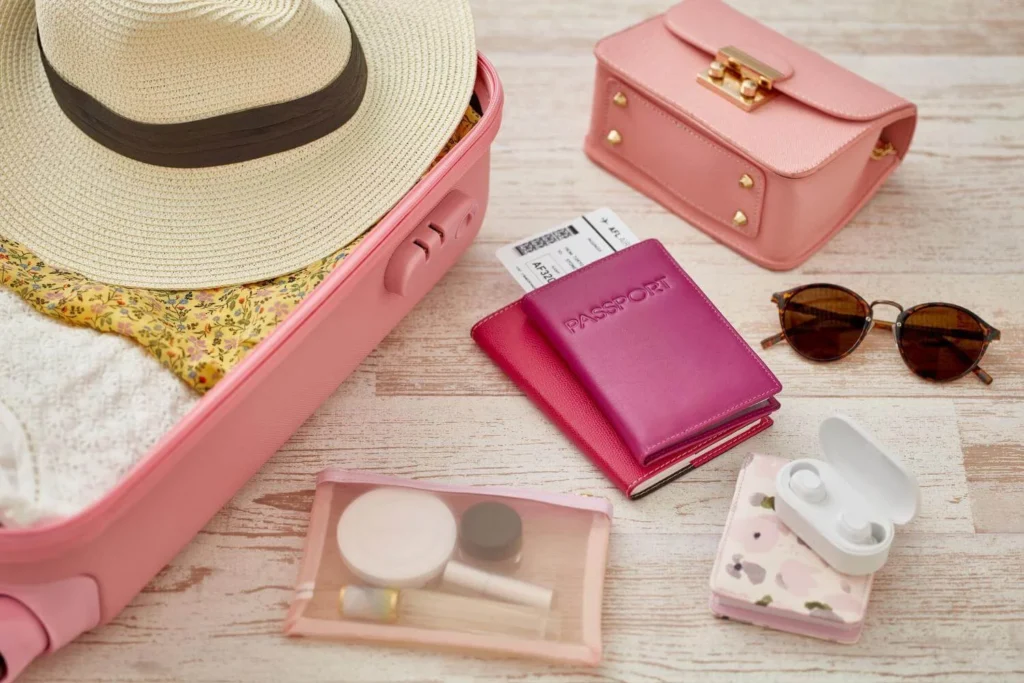
Packing light is one of the best solo travel hacks. A smaller suitcase means less stress, less to carry, and more freedom.
Think in capsule wardrobe terms, pieces that mix and match easily.
Include:
- Lightweight layers
- Comfortable shoes
- Quick-dry essentials
- One outfit that makes you feel amazing (for confidence days or photos)
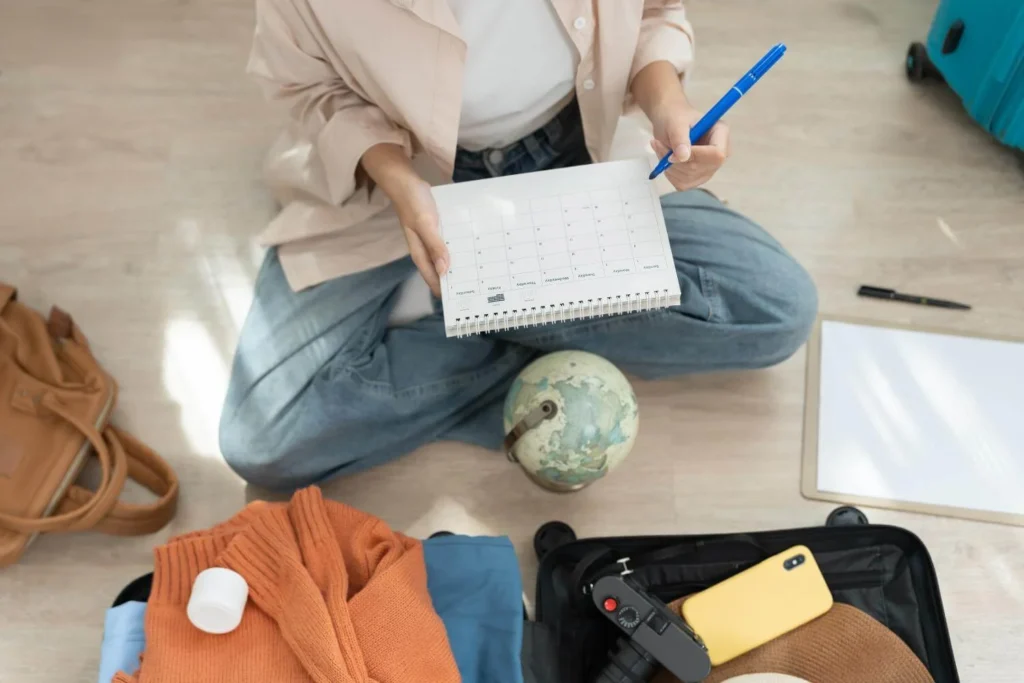
Planning Your Solo Trip Is Half the Adventure
Planning a solo trip is not about controlling every detail or building a perfect itinerary. It’s about creating a solid foundation so you can actually enjoy the freedom that solo travel gives you. When you’ve chosen a destination that fits your comfort level, set a budget with breathing room, booked accommodation you feel good about, and sorted the basics of getting around, you’ve already done the hardest part.
From there, you can keep things simple. Pick a few anchor activities, leave space for spontaneity, and trust that you will figure out the rest as you go. The more trips you take, the easier this process gets because you’ll build your own systems and templates that make planning faster and less stressful.
And if you’re feeling nervous right now, let that be normal. You are not behind, you are not doing it wrong, and you do not need to have everything mapped out precisely. You just need a plan for the start, a little flexibility, and the willingness to show up for yourself. That is what makes solo travel so empowering in the first place.
Read More Solo Travel Guides
- Ways To Cure Your Wanderlust When You Can’t Travel
- Empowering Solo Travel Affirmations For Women Travelling Alone
- Best Tips For Traveling Solo For The First Time
- Ultimate Guide To Building The Courage & Confidence To Travel Alone
- Helpful Tips To Stay Safe When You Travel Solo
- 37 Great Ways To Meet People When You Are Solo Traveling
- Solo Travel Fears You’ll Face When Travelling Alone
- 13 Things You Should Know Before Traveling Solo For The First Time
- 25 Great Tips For Eating Alone When You Travel Solo
Share Me
If you found this post helpful, share it or pin it! It’s one of the best ways to show your support. Thank you!

Gemma Lawrence is a British expat, solo female travel blogger, and the creator of This Brit’s Life — a travel and lifestyle blog that helps women explore the world confidently, live abroad independently, and stay informed about global issues.
Born and raised in England, Gemma has been living in British Columbia, Canada since 2016 and has been traveling solo for over a decade. With a background in journalism and over ten years of experience in digital marketing and communications — including leadership roles with the International Association of Business Communicators (IABC/BC) — she brings both storytelling and strategy to her writing.
Through her posts, Gemma shares practical solo travel advice, expat insights, and confidence-building resources, while also covering broader topics like women’s rights, democracy, and self-care. Her goal is to inspire independence, awareness, and personal growth — one adventure at a time