Reasons To Visit Canada As A Solo Traveler
Canada is often underestimated as a solo travel destination. It doesn’t always make the bucket-list headlines in the same way as parts of Europe, Southeast Asia, or its southern neighbour the United States. Yet for solo travelers, especially women, it consistently delivers where it matters most; safety, ease, variety, and the freedom to travel independently without constant stress.
For women considering their first solo trip, Canada is an ideal place to start. And for more experienced solo travelers, it offers space to slow down, reset, and travel with intention rather than urgency. It’s a country that supports independence without demanding toughness, confidence without recklessness, and curiosity without overwhelm.
Canada also works as a really strong alternative to traveling in the United States. While the two countries share some surface similarities, Canada offers a very different social and political climate, specifically one that is generally more welcoming, less polarized, easier to navigate alone and a lot safer especially for women. English is widely spoken, systems are clear, and solo women are a familiar presence rather than an exception. Visiting Canada instead of America means supporting a democratic government rather than an authoritarian one.
What makes Canada particularly compelling is how much it offers within one country. You can move between major cities and vast wilderness, experience four distinct seasons, engage with different cultures, and choose a travel pace that suits you, whether that’s active, reflective, social, or quiet.
This post breaks down the real reasons Canada works so well for solo travelers, especially women. Not just the highlights, but the practical, cultural, and emotional factors that make traveling alone here feel manageable, rewarding, and genuinely enjoyable.

Solo Travel Culture In Canada
Canada has a quietly solo-friendly culture that makes traveling alone feel normal rather than notable. You don’t need to constantly justify being on your own, fill silence with small talk, or explain your plans. This is one of the biggest reasons Canada works so well for solo travelers, especially if you value independence but still want to feel comfortable and safe moving through everyday life.
Eating Alone Is Normal
Eating alone in Canada is genuinely no big deal. Cafés, casual restaurants, food halls, and even sit-down spots are used to people dining solo, whether that’s grabbing breakfast with a book, having lunch between activities, or eating out in the evening on your own.
You’re unlikely to get awkward looks, rushed service, or pressure to “take it to go.” Solo dining is part of everyday life, particularly in cities, and that takes a huge amount of social friction out of traveling alone. For many women, this alone makes a destination feel far more accessible and relaxing.

Independence Is Respected
Canada has a strong culture of personal space and mind-your-own-business energy, which works extremely well for solo travel. Being on your own doesn’t invite commentary or curiosity. You can walk, sit, explore, or spend time quietly without feeling watched or questioned.
This respect for independence makes it easier to travel at your own pace. You can have slow days, change plans last minute, or spend time alone without feeling like you’re doing travel “wrong.” For women who enjoy autonomy or who are traveling solo for confidence, reflection, or life transitions, this is a huge plus.
Friendly But Non-Intrusive Social Culture
While Canadians are generally friendly and polite, the social culture tends to be non-intrusive, and more surface level. People will often help if you need directions, assistance, or information, but they are very unlikely to insert themselves into your space uninvited.
This creates a balance that many solo travelers appreciate. You can have brief, pleasant interactions without any pressure, and you can seek connection when you want it rather than having it forced on you. It’s an environment where you can feel supported without being overwhelmed, which is ideal if you’re navigating a new place on your own.
Canada Is Safe For Solo Travelers
Safety is one of the biggest deciding factors for traveling alone, and Canada is generally considered a very safe country for solo travelers particularly women. That doesn’t mean it’s perfect at all or free from problems, but compared to many destinations, daily life in Canada feels predictable, calm, and manageable, which matters a lot when you’re on your own.
General Safety Perception
For solo female travelers, Canada tends to feel safe in ordinary, everyday ways. Streets are usually well lit, public spaces are maintained, and people largely keep to themselves. You’re unlikely to feel singled out for being a woman alone, and you don’t need to constantly scan your surroundings in the way you might in some other countries.
Most safety concerns in Canada are situational rather than systemic. Using common sense, choosing accommodation carefully, basic safety measures, and being aware of your surroundings is usually enough. That baseline level of safety allows you to relax into your trip rather than spending all your energy on vigilance.
A Welcoming And Diverse Country With Religious Freedom
Canada is a multicultural country with a long history of immigration, and diversity is visible in most cities and many smaller towns. Different cultures, religions, and identities are part of everyday life, which helps solo travelers blend in rather than stand out.
For women traveling alone, this diversity often translates into feeling less conspicuous and more accepted. There is generally strong legal protection around religious freedom and personal identity, and most people are accustomed to interacting with people from many different backgrounds. That creates an environment where being different doesn’t automatically make you feel unsafe.

Canada For Women, LGBTQ Travellers, And Minorities
Canada is broadly very safe for women, LGBTQ travellers, and minorities, especially when compared to many other countries. In most places you can move through public spaces without fear of harassment or hostility.
That said, it’s also important to be realistic. Canada does have growing far-right movements and extremist groups, including “Maple MAGA” supporters and known white supremacist organisations like Second Sons. These groups tend to be concentrated in specific areas though and are generally not representative of everyday life for most travelers, but they do exist.
For solo female travelers, the key point is that these movements rarely affect day-to-day travel experiences, particularly in cities, tourist areas, and well-travelled regions. Being aware without being alarmed is usually enough. Overall, Canada remains one of the safer destinations in the world for women traveling alone.
Healthcare Access With Travel Insurance
Canada’s healthcare system is generally good, but visitors and short-term travelers are not covered unless they are residents. This means travel insurance is essential. With insurance in place, access to medical care is straightforward, and emergency services are reliable.
Knowing that quality healthcare is available if you need it adds another layer of reassurance when traveling solo. It’s one less thing to worry about, especially if you’re traveling long term or exploring more remote areas.
Canada Is Vast But Mostly Easy to Navigate As A Solo Traveler
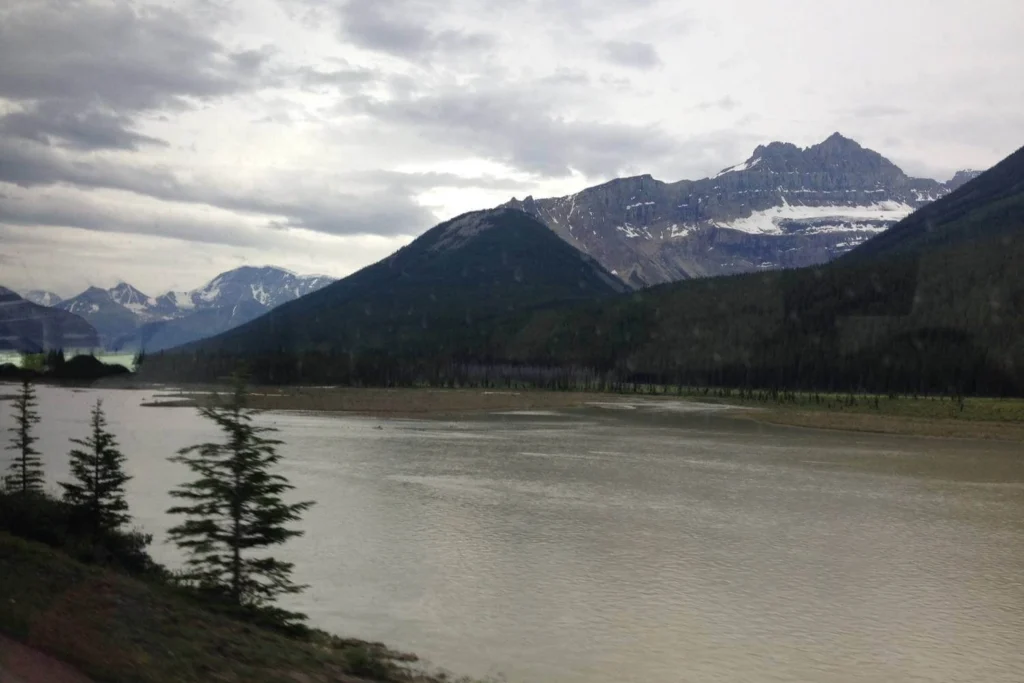
Canada is a huge country, and that can sound intimidating at first, especially if you’re traveling alone. Distances are long and you can’t see everything in one trip. But the upside is that Canada is organised in a way that makes solo travel surprisingly manageable, even without a car.
For female solo travelers, this means you can choose how much movement you want. You can base yourself in one place and explore locally, or move between regions using well-established transport options without needing to drive everywhere yourself.
Clear Systems And Infrastructure
Canada generally runs on clear, logical systems, which makes navigating day-to-day life easier when you’re on your own. Signage is clear, processes are straightforward, and things tend to work the way they’re supposed to. From booking accommodation to navigating transport hubs, there’s very little guesswork involved. That sense of order makes Canada feel accessible even if it’s your first solo trip or your first time traveling in North America.
Exploring Canada Without A Car
Despite its size, you can experience a lot of Canada without driving. Many cities are walkable, and popular regions are well connected by trains, buses, ferries, and shuttles. This is especially helpful for solo travelers who don’t want the added pressure or cost of renting a car.
Choosing the right base makes a big difference. By staying in central neighbourhoods or transport-connected areas, you can explore cities, nearby towns, and even nature without needing your own vehicle.

Public Transit In Large Cities
Canada’s major cities have reliable public transport systems that are easy to use as a solo traveler. Subways, buses, trams, and commuter trains are generally safe, well signposted, and used by people of all ages.
Traveling on public transit doesn’t feel intimidating or chaotic, even during busy times. This makes it easy to move around independently, explore different neighbourhoods, and return home safely in the evenings without relying on taxis or rideshares.
Trains, Buses, And Regional Transport
For longer distances, Canada has a network of trains, intercity buses, and regional transport options that connect major cities and popular travel corridors. While journeys can take time due to the size of the country, they are usually comfortable and straightforward.
For solo travelers, these options remove the need to plan complex routes or navigate unfamiliar roads. You can sit back, watch the scenery, and travel between destinations without additional stress.
Guided Tours For Harder-To-Reach Places
For destinations that are more remote or difficult to reach independently, guided tours are widely available and well established. So solo travelers can experience national parks, wildlife areas, or specific bucket-list locations without handling logistics alone. Tours provide structure, safety, and built-in social interaction if you want it, while still allowing you to travel independently overall.

Practical Advantages For Female Solo Travelers
Beyond culture and safety, Canada works well for solo female travelers in very practical, day-to-day ways. These are the things that don’t always sound exciting on paper but make a huge difference once you’re actually on the ground and managing everything on your own.
Accommodation Standards
Accommodation standards in Canada are generally high across hotels, hostels, guesthouses, and short-term rentals. Cleanliness, safety features, and clear check-in processes are the norm rather than the exception, which is reassuring when you’re arriving alone, especially after a long travel day.
Many accommodations are well set up for solo travelers, with secure entry systems, staffed front desks, and clear house rules. Even budget options tend to feel safe and organised, which reduces the mental load of constantly assessing risk.
Accessibility For English Speakers
For English-speaking solo travelers, Canada is extremely easy to navigate. English is widely spoken across most of the country, signage is clear, and customer service interactions are straightforward. You’re unlikely to encounter language barriers that complicate simple tasks like ordering food, asking for directions, or resolving issues.
This ease of communication is particularly helpful for first-time solo travelers or anyone who finds navigating unfamiliar systems stressful. Being able to clearly understand what’s going on around you allows you to focus on enjoying the experience rather than constantly translating or second-guessing yourself.
Diverse Landscapes And Experiences In One Country
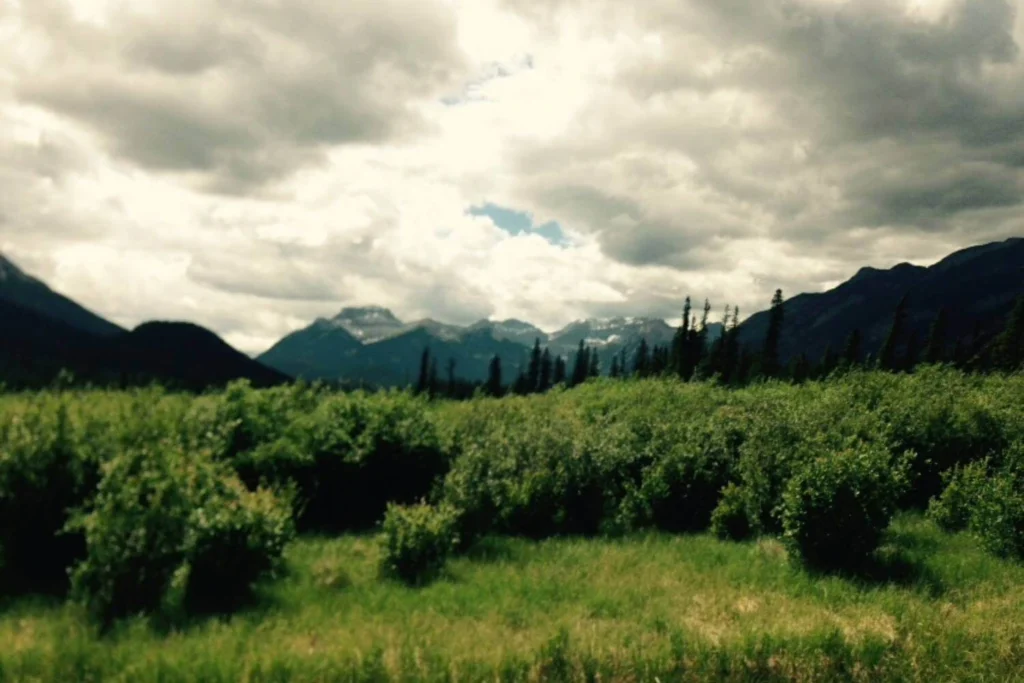
One of the biggest reasons Canada works so well for solo travel is how much variety you can experience without crossing borders. As a solo traveler, it means you don’t need to repeatedly adapt to new languages, currencies, or cultural norms to experience completely different environments.
Canada allows you to combine cities, nature, culture, and quieter spaces in a way that feels manageable rather than exhausting. You can design a trip that balances stimulation and rest, which is especially important when you’re traveling alone and responsible for your own energy levels.
Cities And Wilderness In One Trip
In many parts of Canada, it’s easy to experience urban life and wilderness within the same trip, sometimes even on the same day. Major cities are often surrounded by accessible nature, whether that’s coastal paths, forests, mountains, or lakes.
For solo travelers, this means you don’t have to choose between city comfort and outdoor experiences. You can enjoy museums, cafés, and neighbourhoods, then step into quieter natural environments without needing complex logistics or specialised planning.
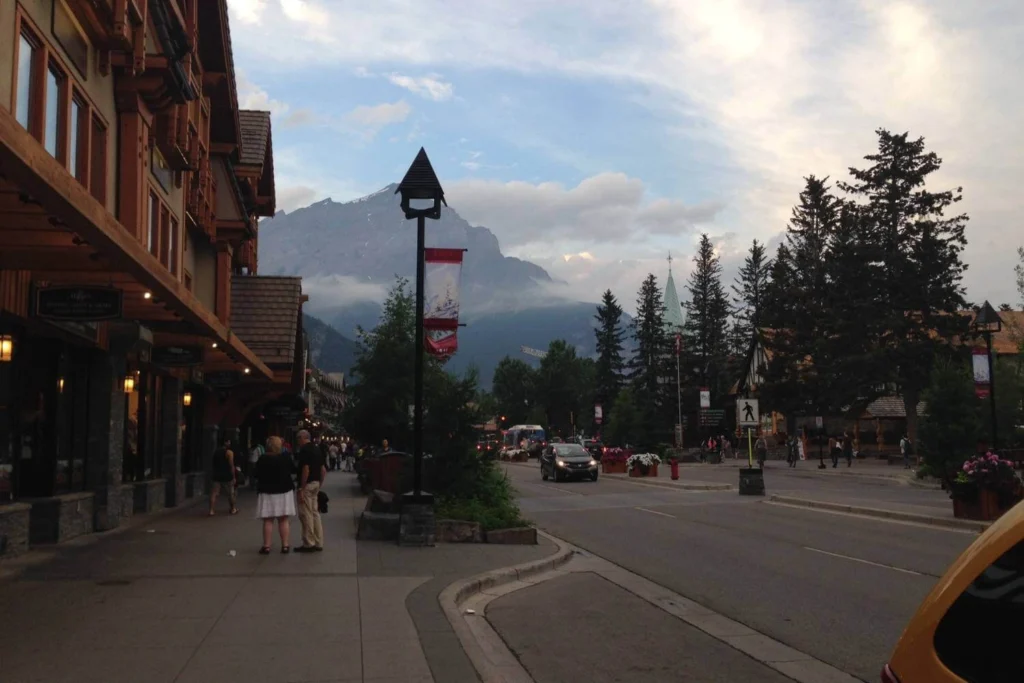
Coastal, Alpine, Forest, And Cultural Experiences
Canada’s landscapes are incredibly varied. You can explore rugged coastlines, alpine mountain towns, dense forests, open prairies, and culturally rich cities all within one country. Each region feels distinct, offering different rhythms and travel styles.
This diversity is ideal for solo women who like to follow their mood rather than a strict itinerary. You can move between energetic and reflective experiences without feeling like you’re repeating the same type of destination over and over.
Bucket-list Experiences Beyond The Obvious
Canada offers true bucket-list experiences, but they’re not limited to the usual postcard moments. While things like the Northern Lights, polar bears, whale watching and Niagara Falls are well known, there’s also a depth of quieter, less commercial experiences that suit solo travel particularly well.
Many of Canada’s most memorable moments come from small-scale experiences, scenic train journeys, wildlife encounters, coastal walks, or time spent in places where nature and everyday life intersect. These kinds of experiences often feel more meaningful when you’re alone, moving at your own pace.

Seasonal Travel In Canada
One of the reasons Canada works so well for solo travel is that each season feels distinct and intentional. Travel doesn’t blur together here. The weather, events, pace of life, and even how people socialise change noticeably throughout the year, which makes repeat visits feel fresh and purposeful.
For solo travelers, this seasonal rhythm provides structure. You can choose when to visit based on energy levels, interests, budget, and the kind of experience you want, rather than feeling like there’s only one “right” time to go.
Spring In Canada
Spring in Canada is a shoulder season that runs roughly from late March through May, depending on the region. Weather can be changeable, with lingering cold in early spring and milder temperatures by May. Getting around is generally easy, with fewer crowds on public transport and roads, and accommodation prices are often lower than in peak summer. Spring is a great choice if you want calmer travel, lighter crowds, and a sense of the country waking up after winter.
Best Things To Do In Spring
Spring is ideal for city walking, waterfront strolls, and nature slowly coming back to life. Popular spring activities include visiting botanical gardens and parks (Vancouver, Victoria), exploring cities on foot without summer crowds (Toronto, Montreal), spotting early wildlife in national parks (Banff, Jasper), and enjoying shoulder-season coastal trips (Vancouver Island, Nova Scotia). It’s also a good time for scenic train journeys as landscapes transition from winter to green.
Spring Events And Culture
Spring events tend to be cultural and seasonal rather than large-scale festivals. Cherry blossom festivals take place in cities like Vancouver and Toronto, celebrating the start of warmer weather. Easter is widely observed, though typically low-key. Victoria Day in late May marks the unofficial start of summer, with long weekends, early camping trips, and local events across the country. Spring also sees smaller food festivals, cultural celebrations, and arts events as cities ease back into festival season.

Summer In Canada
Summer is Canada’s busiest and most energetic season, running from June through August. Temperatures are generally warm, daylight hours are long, and getting around is easy, though popular destinations can be crowded. Public transport, flights, and accommodation are in high demand, so planning ahead is important. Summer is ideal if you enjoy social travel, outdoor activities, and a packed calendar of events.
Best Things To Do In Summer
Summer is when Canada’s landscapes are most accessible. Highlights include exploring national parks and hiking trails (Banff, Jasper, Yoho), coastal trips and whale watching (British Columbia, Atlantic Canada), city neighbourhood hopping and patio dining (Toronto, Montreal, Vancouver), road trips and train travel, and lake-based activities across the country. It’s the best season for combining cities with nature in one trip.
Summer Events And Culture
Summer is peak festival season in Canada. Canada Day on July 1st is celebrated nationwide with fireworks, concerts, and community events. The Calgary Stampede in July is one of the country’s most significant cultural events, blending western culture, rodeos, live music, and city-wide celebrations. Pride festivals take place across major cities, alongside music festivals, food and drink festivals, outdoor concerts, and cultural events. Summer has the highest concentration of large-scale events and social gatherings.

Fall In Canada
Fall runs from September through October and is often considered one of the best seasons for solo travel. Temperatures cool, crowds thin, and getting around becomes easier and less expensive than in summer. Fall suits travelers who enjoy slower-paced itineraries, scenic travel, and quieter cities while still having plenty to do.
Best Things To Do In Fall
Fall is known for its dramatic landscapes and comfortable travel conditions. Popular activities include fall foliage walks and scenic drives (Ontario, Quebec, British Columbia), train journeys through changing landscapes (Rocky Mountains, Eastern Canada), visiting wine regions and harvest areas (Okanagan Valley, Niagara), and city travel without summer crowds. Cafés, museums, galleries, and cultural attractions feel especially appealing during this season.
Fall Events And Culture
Canadian Thanksgiving takes place in October and is generally quieter and less commercial than in the United States. Fall festivals often focus on harvests, food, wine, and local culture. This is also a major season for film and arts festivals, including international film festivals in cities like Toronto and Vancouver. Fall tends to attract cultural, creative, and food-focused events rather than large outdoor festivals.
Winter In Canada
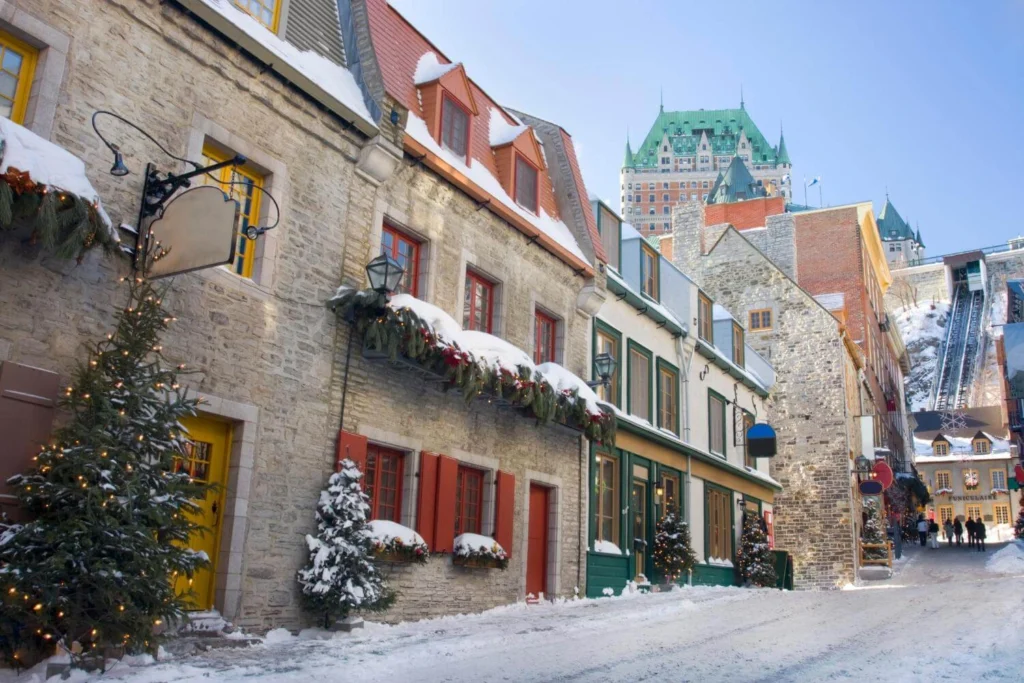
Winter in Canada typically runs from December through March and brings cold temperatures, snow in many regions, and shorter daylight hours. Despite the weather, cities and towns operate normally, and infrastructure is designed to function year-round. Getting around remains reliable, particularly in major cities. Winter is best suited to travelers who enjoy seasonal experiences, quieter travel, and structured activities.
Best Things To Do In Winter
Winter offers experiences that are unique to the season. Popular activities include winter festivals and city events (Ottawa, Quebec City), skiing and snow-based activities (Banff, Whistler, Mont-Tremblant), cozy city travel focused on food, culture, and museums (Toronto, Montreal), wildlife experiences like polar bear viewing (Churchill, Manitoba), and northern lights viewing in select regions. Winter travel often centres on fewer locations with deeper experiences rather than fast-paced itineraries.
Winter Events And Culture
Winter has its own distinct cultural calendar. Winterlude in Ottawa celebrates ice, snow, and winter sports. Quebec City’s Winter Carnival is one of the largest winter festivals in the world. Christmas and New Year are widely celebrated, with markets, lights, and seasonal events across cities. Smaller winter festivals, food events, and cultural celebrations take place throughout the season, creating a quieter but still socially rich atmosphere.
If you’re considering a winter trip and want a realistic breakdown of what to expect, I’ve shared everything you need to know in The Ultimate Guide To Winter In Canada For Solo Female Travelers, including destinations, activities, safety, and how to enjoy winter confidently on your own.
Wildlife In Canada
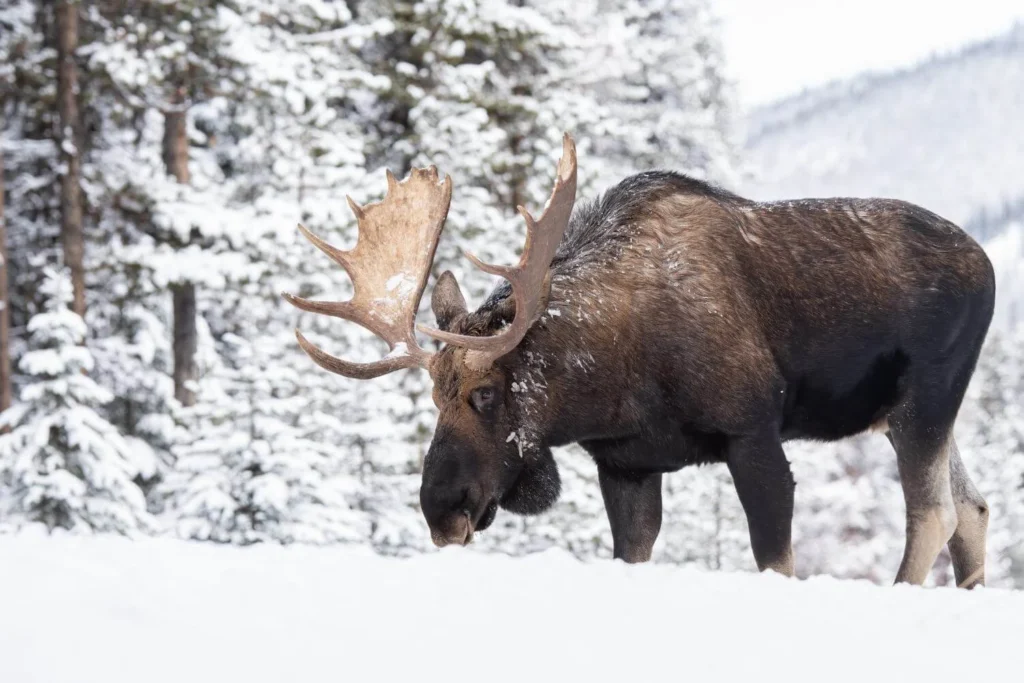
Wildlife is one of the things that makes Canada special. It feels so expansive and memorable, and you don’t need to be on an extreme expedition to encounter wildlife here. Animals are part of the landscape, and many experiences are accessible, guided, and designed with safety in mind.
For solo female travelers, Canada offers a rare balance; the chance to see iconic wildlife while still feeling supported, informed, and not constantly on edge.
Major National Parks And Protected Areas
Canada has an extensive network of over 40 national and provincial parks that protect ecosystems while remaining accessible to visitors. Many of the most well-known parks have clear trails, visitor centres, guided programs, and strong safety infrastructure. These are some of the most well-known and commonly visited by solo travelers due to accessibility, infrastructure, and guided experiences.
Banff National Park – Alberta
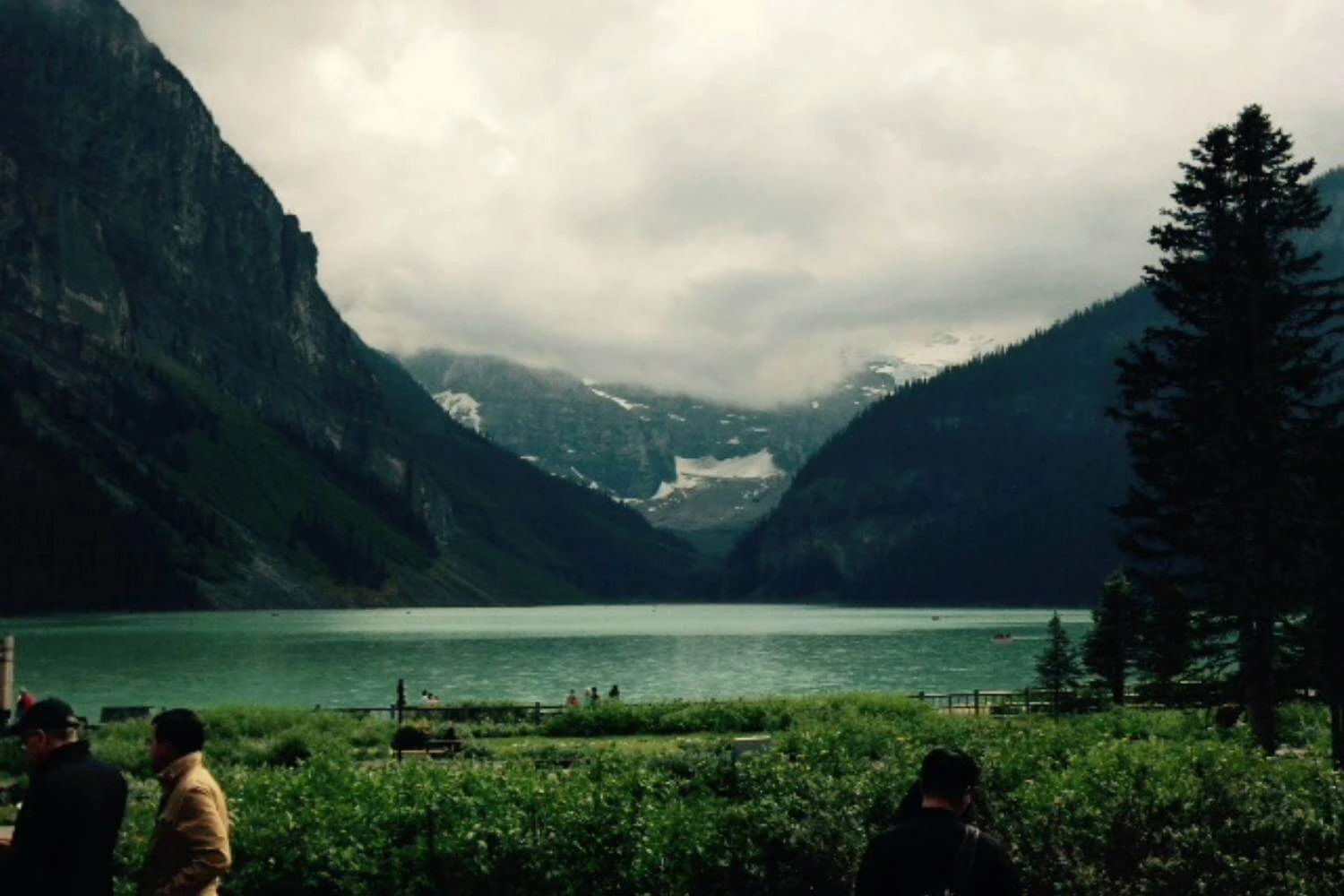
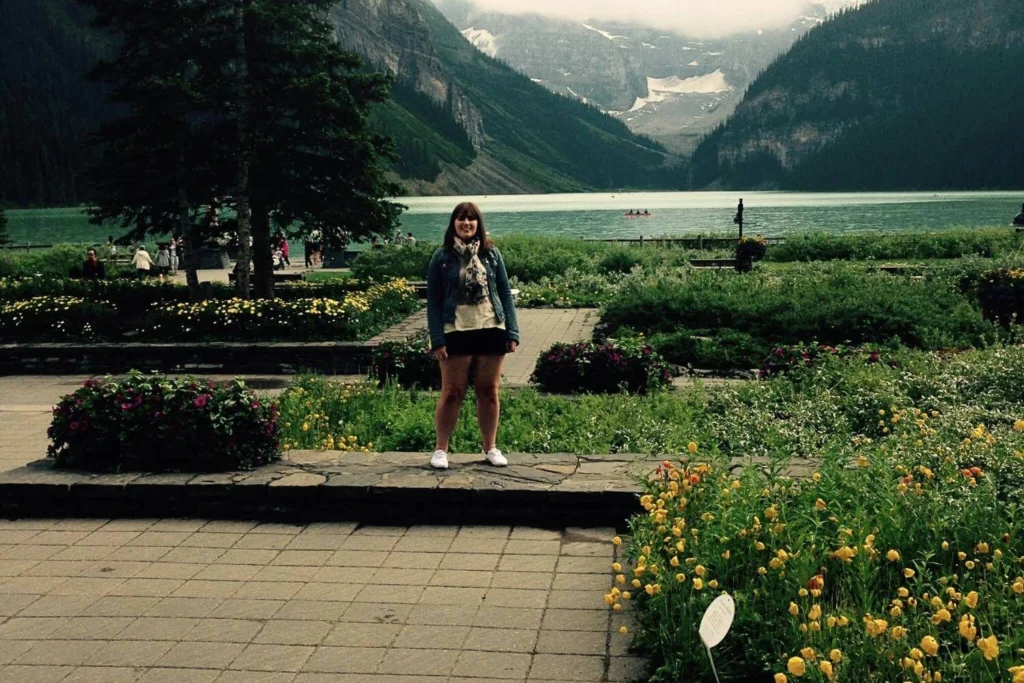
Lake Louise, Moraine Lake, mountain scenery, elk, deer, black bears, occasional grizzlies
Jasper National Park – Alberta
Larger and quieter than Banff, known for wildlife corridors, elk, moose, black bears, wolves
Yoho National Park – British Columbia
Waterfalls, alpine lakes, quieter hiking, mountain goats, birds of prey
Pacific Rim National Park Reserve – British Columbia
Coastal rainforests, beaches, whale watching, sea lions, seabirds
Gros Morne National Park – Newfoundland and Labrador
Dramatic coastal landscapes, fjords, moose, seabirds, geological formations
Fundy National Park – New Brunswick
World’s highest tides, coastal trails, whales offshore, birdlife
Cape Breton Highlands National Park – Nova Scotia
Ocean cliffs, scenic drives, moose, bald eagles, coastal wildlife
Wapusk National Park – Manitoba
Remote Arctic park, polar bear habitat (accessed via guided tours)
Auyuittuq National Park – Nunavut
Arctic wilderness, glaciers, polar landscapes (specialist access)
These parks are well-managed, clearly signposted, and many offer shuttle systems, visitor centres, and ranger-led programs. They allow solo travelers to experience wilderness without needing advanced outdoor skills or taking unnecessary risks. Whether you’re hiking, walking scenic routes, or joining guided excursions, the emphasis is on preservation, education, and safe access.
Wildlife Experiences By Region
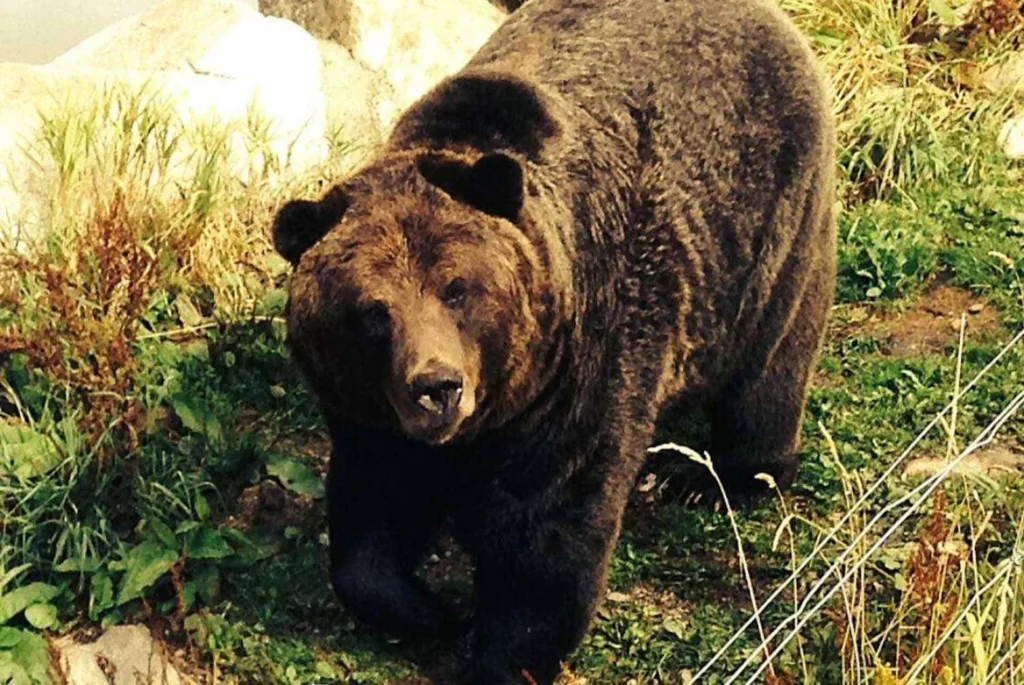
Canada’s size means wildlife varies significantly by region, which adds to the sense of discovery as you travel. Along the coasts, marine wildlife and seabirds are a major draw, often viewed through boat tours or shoreline spotting. In forested and mountainous regions, animals like black bears, brown bears, elk, deer, moose, and wolves can be spotted. In other areas, birdlife is particularly rich, including puffins, eagles, and other coastal or migratory species.
Western Canada (British Columbia, Alberta, Yukon):
- Black bears
- Grizzly bears
- Elk
- Moose
- Mountain goats
- Bighorn sheep
- Wolves
- Eagles and birds of prey
British Columbia:
- Humpback whales
- Orcas
- Grey whales
- Sea lions
- Seals
- Sea otters
- Puffins (offshore islands)
Northern Canada (Nunavut, Northwest Territories):
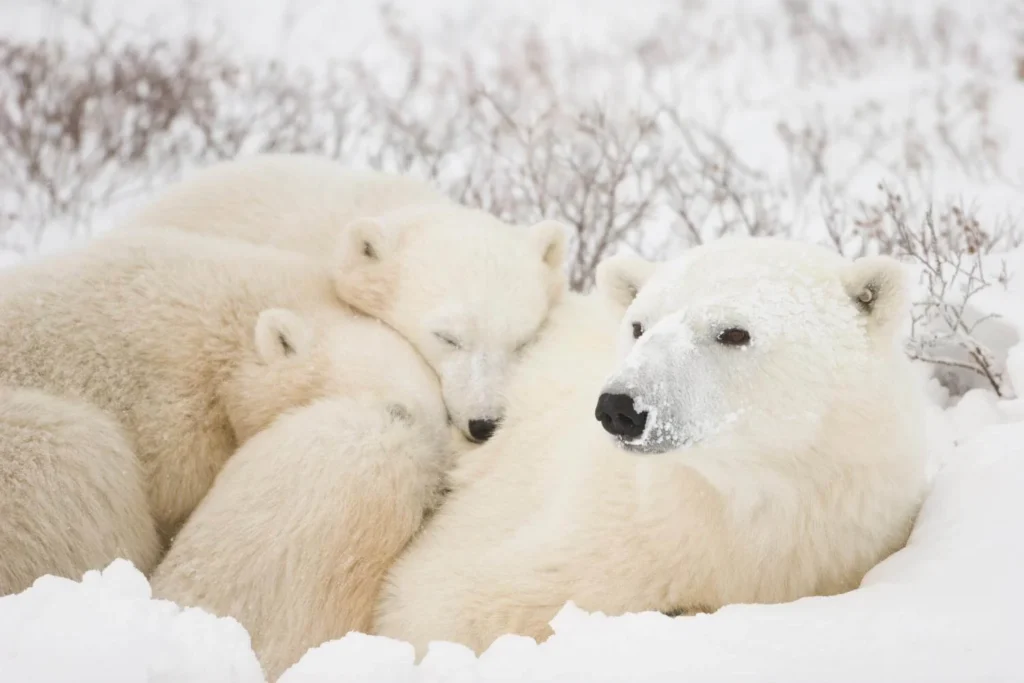
- Polar bears
- Arctic foxes
- Caribou
- Narwhals
- Migratory Arctic birds
Central Canada (Manitoba, Ontario):
- Polar bears (Churchill, Manitoba – seasonal)
- Beluga whales (Hudson Bay)
- Black bears
- Moose
- Lynx
- Migratory birds
Eastern Canada (Quebec, Atlantic provinces):
- Whales (humpback, minke, blue whales in some regions)
- Moose
- Caribou (limited regions)
- Seabirds
- Puffins
- Bald eagles
Wildlife Guided Experiences
One of Canada’s strengths is how seriously wildlife protection is taken. Many wildlife encounters are guided, regulated, and designed to minimise harm to animals while keeping visitors safe. There are lots of tours and experiences available all over Canada including:
- Whale watching tours along both coasts
- Guided bear viewing experiences in specific regions
- Wildlife-focused boat tours, ferries and land tours
- National park walks
- Northern Lights tours that often include wildlife education
- Animal sanctuary’s for specific animals
- Polar Bear group trips in Churchill, Manitoba
These experiences prioritise safety, education, and conservation, so you’re not expected to navigate wildlife encounters alone or take unnecessary risks.
Ethical Wildlife Viewing And Safety Culture
Canada has strict rules around wildlife protection, and that benefits solo travelers. Clear guidance on distance, food storage, trail behaviour, and seasonal closures helps remove guesswork. Wildlife encounters here tend to feel calm and controlled rather than chaotic or exploitative, which makes them accessible even if you’re new to nature-based travel.
Wildlife As Part Of Everyday Travel
What often surprises solo travelers most is how wildlife isn’t limited to remote areas. In some regions, animals are simply part of daily life that are seen from ferries, coastal paths, national park roads, or even city-adjacent green spaces.
This integration makes wildlife experiences feel less like a checklist and more like a natural part of traveling through Canada. You don’t have to chase extremes to feel connected to nature here.
Culture In Canada
Canada’s culture is one of the reasons it works so well for female solo travelers. It’s not loud or performative, and it doesn’t demand that you constantly explain yourself or justify traveling alone. Instead, independence is normalised, difference is generally accepted, and social interaction tends to be friendly without being intrusive.
For solo travelers, that combination creates a feeling of ease, you’re free to engage when you want to and retreat when you need to.
Experiencing Multiple Cultures In One Trip
Canada is culturally diverse, and that diversity is visible in everyday life rather than confined to tourist zones. Across the country you’ll encounter long-established British and European influences alongside large Australian, Ukrainian, Chinese, South Asian, Caribbean, African, and Middle Eastern communities, as well as strong Indigenous cultures that shape regional identity.
Major cities in particular are shaped by immigration, Indigenous cultures, and regional identities, which means you can experience very different communities within a single trip. It’s common to move between neighbourhoods, cities, or provinces and notice changes in food, accents, traditions, and social norms. This makes travel feel layered and interesting without requiring long-distance international flights.
Food And Drink Culture
Canada’s food scene reflects its diversity, with strong influences from Indigenous cuisine, European traditions, and global immigration. It is one of the easiest ways to engage with Canadian culture as a solo traveler. Popular foods to try include poutine, fresh seafood on the coasts, smoked meats, bannock, butter tarts, Nanaimo bars, beavertails, maple-based dishes, and regional specialities that change from province to province. In major cities, international food scenes are a huge part of everyday life, from Chinese and Korean neighbourhoods to Indian, Middle Eastern, Ethiopian, and Eastern European restaurants.
Eating alone is also completely normal and rarely attracts attention, whether that’s in cafés, casual restaurants, food halls, or pubs, which removes a common anxiety for women traveling solo.
If eating alone is something that feels intimidating for you, I’ve shared practical advice and confidence-building strategies in my post on 25 Great Tips For Eating Alone When You Travel Solo, which breaks down how to feel comfortable dining by yourself anywhere in the world.

Sports Culture In Canada
Sport plays a visible role in Canadian culture, particularly in cities. Ice hockey dominates the winter months, while baseball and soccer are most visible in spring and summer. Basketball runs across multiple seasons, Canadian football peaks in late summer and fall, and ice hockey culture intensifies again as winter approaches.
It’s also very easy to watch international sports in Canada, especially in larger cities. World Cup matches, NFL games, international rugby, and major global tournaments are widely shown in bars and pubs and often draw big, lively crowds. This makes sports culture particularly welcoming for solo travelers. Watching a game is social by default, and it’s normal to sit at the bar, chat with strangers, and feel included without needing to arrive with anyone. I regularly watch rugby sitting at the bar of a local Irish pub, which has been an easy, low-pressure way to be social.
Sporting events themselves are social but approachable. Attending a game alone is common, and it’s easy to blend in without needing to be part of a group. Even if you’re not a major sports fan, the atmosphere around big games offers an insight into local identity and community. Sporting events like the Canada Sevens, a rugby sevens tournament held every March in Vancouver as one of the stops on the World Rugby Sevens Series, are also very solo travel friendly.
Music, Film, And Creative Culture
Canada has a strong creative industry, particularly in film, television, and music. Cities like Toronto, Vancouver, and Montreal host major film festivals throughout the year, with the Toronto International Film Festival being the most internationally recognised. Alongside that are smaller regional festivals, independent film events, and community screenings that make it easy to engage with film culture without it feeling exclusive or intimidating.
Canada is also a major filming location for international productions. Vancouver is often referred to as “Hollywood North” where popular shows and films such as The X-Files, Riverdale, Supernatural, Deadpool, and The Last of Us were filmed. Toronto also regularly stands in for major U.S. cities and has been used for productions like Suits, The Handmaid’s Tale, Schitt’s Creek, and numerous Hollywood films. Seeing filming locations around cities adds an unexpected layer to everyday sightseeing.
Music culture is equally strong. Major cities attract international touring artists due to their proximity to the United States, while Canada also has its own well-established music industry spanning pop, rock, country, indie, and electronic genres. Well-known Canadian musicians range from Drake and The Weekend to Nickleback, Joni Mitchell, Alanis Morissette, Shania Twain, Arcade Fire, and many others. For solo travelers, concerts, live music venues, and festivals are easy to attend alone and offer structured, social experiences without pressure to interact if you don’t want to.

Western Culture In Canada
Western Canada has a distinct cultural identity shaped by ranching, agriculture, and frontier history. This is most visible in places like Alberta and parts of British Columbia, where western wear, rodeos, country music, and cowboy culture are still part of everyday life.
Events like the Calgary Stampede showcase this culture on a large scale, but elements of it exist year-round in music venues, local events, and community traditions. For solo travelers, western culture is often welcoming and social without being overwhelming.
If you’re curious about experiencing this side of Canada firsthand, Calgary is the easiest place to immerse yourself in Western culture, especially during the Calgary Stampede. It’s my favourite event in Canada to attend solo so I’ve put together detailed Calgary Stampede guides that break down everything from what to expect, how to plan your visit to how to enjoy it confidently as a solo traveler.

Traveling Canada Alone Is Great For Self-Confidence
Traveling solo in Canada isn’t just about seeing places, it’s about how capable and grounded you feel while doing it. For many women, Canada is the place where solo travel stops feeling like a test and starts feeling natural. The country gives you space to build confidence without constantly having to be on high alert or prove anything to yourself or others.
Lots Of Opportunities To Be Adventurous
Canada offers plenty of opportunities to try new things like hiking, wildlife tours, winter activities, and cultural events in environments that are generally well-regulated and safety-conscious. You can push your comfort zone without feeling reckless. Guided tours, clear signage, strong infrastructure, and a culture of preparedness mean you’re encouraged to explore, not scare yourself into staying small. This balance is especially valuable for solo female travelers building confidence through experience rather than adrenaline.
Building Self-Trust Through Independence
Traveling alone in Canada reinforces self-trust in quiet but powerful ways. You make decisions, navigate systems, solve small problems, and adapt to new environments, all without constant stress or friction. Because the country is relatively easy to move through, those wins accumulate quickly. You start to trust your judgement, your instincts, and your ability to handle situations calmly and thoughtfully.
Traveling Smartly Without Constant Vigilance
One of the biggest confidence shifts many women experience in Canada is realising they don’t have to stay hyper-alert at all times. While awareness is always important, the baseline level of safety allows you to relax slightly. You can enjoy solo meals, evening walks, public transport, and independent exploration without the same level of tension that some destinations require. That ease makes solo travel feel sustainable rather than exhausting.
Space To Reset And Reflect
Canada’s scale and pace make it an ideal place for reflection. Whether you’re spending time in nature, exploring cities alone, or moving between regions, there’s a sense of breathing room that allows you to slow down and check in with yourself. For solo travelers who are used to being constantly stimulated or navigating busy destinations, this space can feel grounding. You’re able to think clearly, process experiences, and reconnect with what you actually want from travel and from life.
Canada Isn’t Just A Beautiful Country To Visit
It’s a place that actively supports solo female travelers in feeling capable, confident, and at ease. From its safety and infrastructure to its culture of independence and respect for personal space, it offers an environment where traveling alone feels normal rather than exceptional.
What makes Canada especially appealing is how much variety it offers without demanding constant vigilance. You can move between cities and wilderness, experience all four seasons, engage with different cultures, and explore at your own pace, whether that means full days of adventure or quiet moments of reflection.
For women new to solo travel, Canada provides reassurance. Systems are clear, communication is easy, and support is readily available when you need it. For more experienced solo travelers, it offers depth, space, and the freedom to travel in a way that feels intentional rather than rushed.
Canada is a place where solo travel becomes less about proving independence and more about enjoying it. It’s a country that gives you room to grow, reset, and trust yourself, not just as a traveler, but as a person. If you’ve been considering Canada for your first solo trip, your next adventure, or a longer stay, it’s a destination that meets you where you are and supports you as you move forward.
Share Me
If you found this post helpful, share it or pin it! It’s one of the best ways to show your support. Thank you!

Gemma Lawrence is a British expat, solo female travel blogger, and the creator of This Brit’s Life — a travel and lifestyle blog that helps women explore the world confidently, live abroad independently, and stay informed about global issues.
Born and raised in England, Gemma has been living in British Columbia, Canada since 2016 and has been traveling solo for over a decade. With a background in journalism and over ten years of experience in digital marketing and communications — including leadership roles with the International Association of Business Communicators (IABC/BC) — she brings both storytelling and strategy to her writing.
Through her posts, Gemma shares practical solo travel advice, expat insights, and confidence-building resources, while also covering broader topics like women’s rights, democracy, and self-care. Her goal is to inspire independence, awareness, and personal growth — one adventure at a time