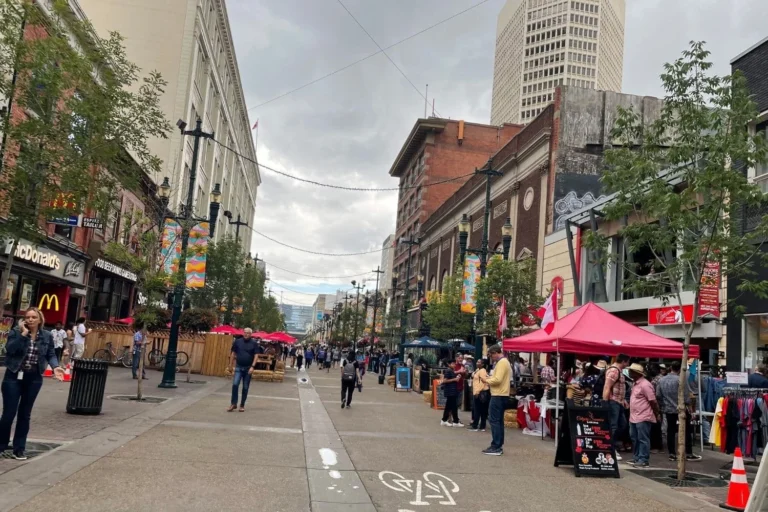
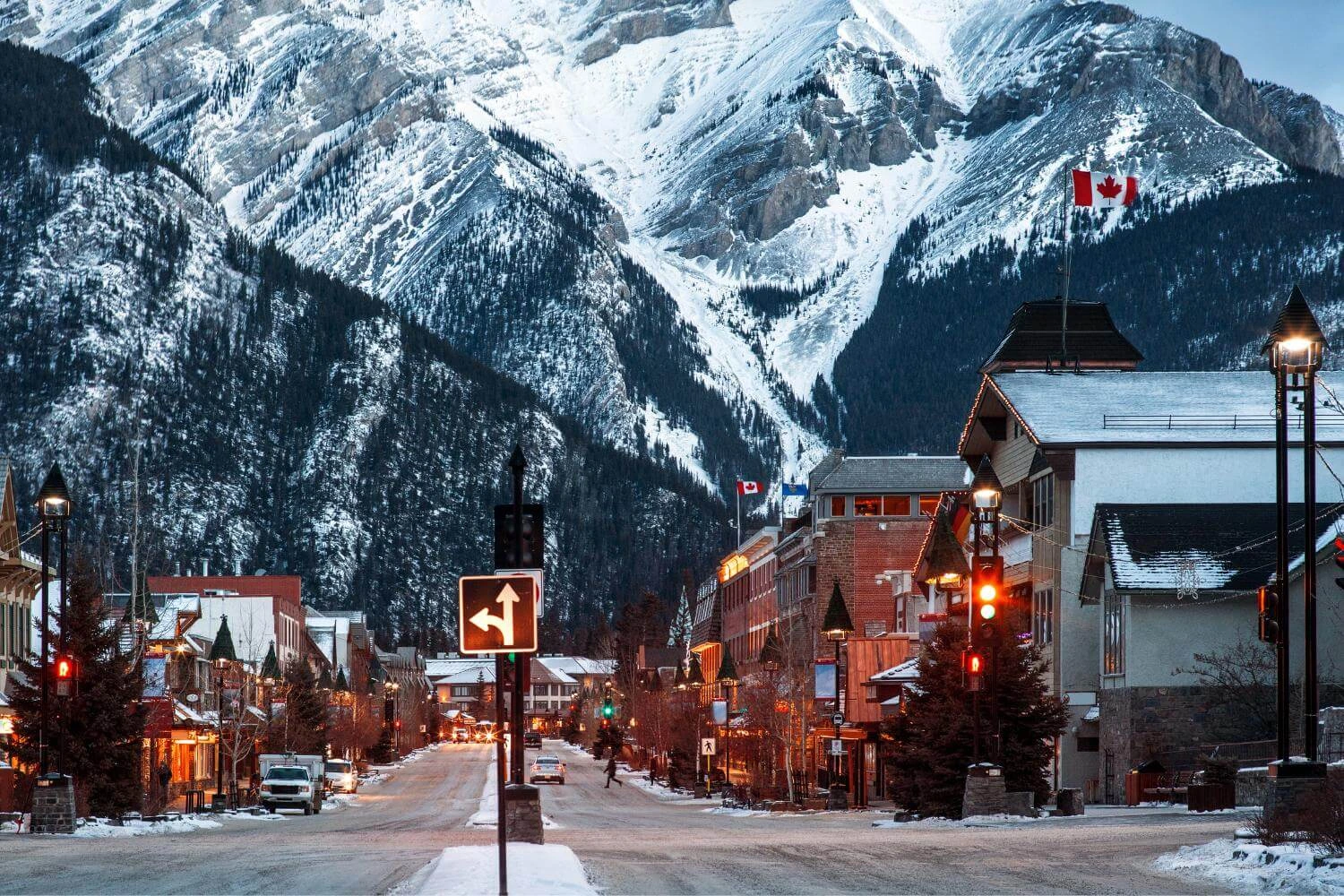
Ultimate Guide To Winter In Canada For Solo Female Travelers
For solo travelers, winter in Canada can seem intimidating if you have never experienced it before. When I was planning my move to the West Coast, it was one of my biggest concerns. Temperatures drop drastically in some regions, daylight hours shorten, and the country looks and feels very different from the summer versions you usually see online. But winter is actually one of the most rewarding times to visit Canada on your own.
From snow-covered cities and frozen lakes to winter festivals, cozy food, national sports, and once-in-a-lifetime experiences, Canada in winter offers something that truly can’t be replicated anywhere else. Whether you’re dreaming of ice skating, dog sledding, seeing polar bears in the wild, experiencing Christmas in historic cities, watching the Northern Lights, or embracing cold-weather adventures, winter travel in Canada is about leaning into the season rather than fighting it.
This post is for solo female travelers who want practical, honest advice on what winter in Canada is really like from someone who actually lives here. You’ll learn when winter really starts and ends, how the weather differs across regions, where to go depending on your interests, and how to plan a trip that feels exciting rather than overwhelming. I’ll also cover safety, transportation, packing, and solo-friendly experiences so you can travel with confidence.
Whether you’re visiting iconic winter destinations like Churchill or the Quebec Winter Carnival, exploring the Rockies, or simply trying to decide if a solo winter trip to Canada is right for you, this guide will help you decide where to go, when to visit, and how to make the most of it without over-planning or unnecessary stress.
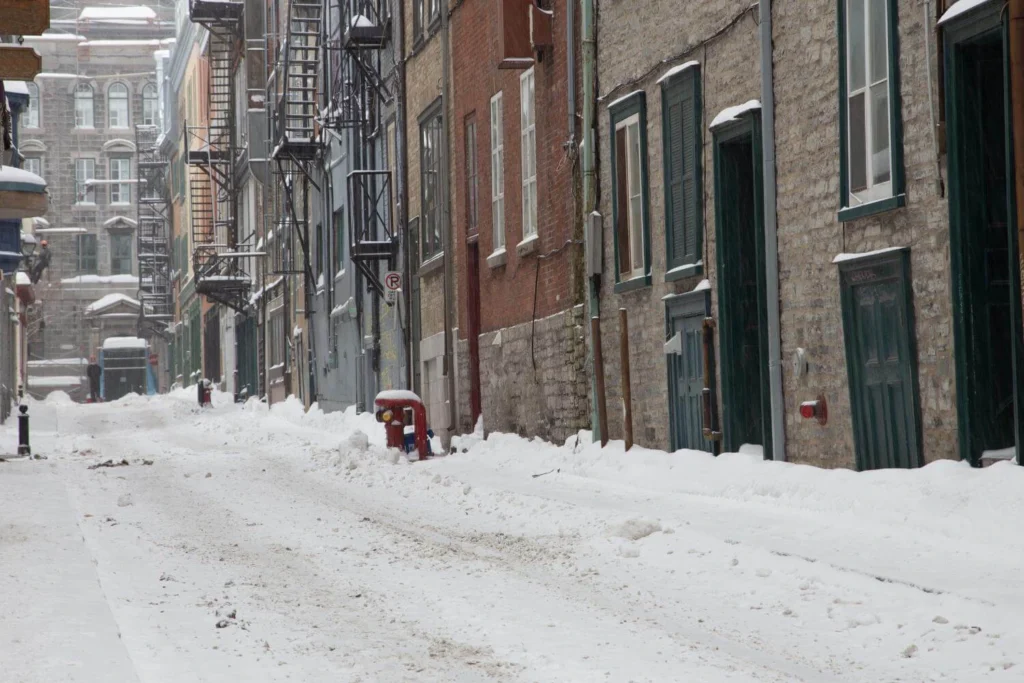
Canada Winter Months
Winter in Canada is long, but it varies drastically by region, and it does not feel the same every month. Understanding how winter unfolds across the country will help you choose the right timing for your trip and avoid unrealistic expectations.
December
December marks the beginning of winter across most of Canada. In Central Canada, the Prairies, and the Mountain regions, snowfall becomes more consistent during this month, while in Western coastal areas like Vancouver it remains cold and wet with little snow, if any.
This month is shaped heavily by the holiday season. Cities feel festive, Christmas markets appear, and many destinations focus on winter atmosphere rather than extreme cold. December is a great option if you want to experience winter in Canada without committing to the harshest temperatures.
Solo travel tip:
December is the best choice if you want a softer introduction to winter in Canada. It offers seasonal charm and winter scenery without the deep-freeze conditions that arrive later in some regions.
January
January is the coldest and most intense winter month in Canada. Temperatures drop sharply across much of the country, particularly in the Prairies, Central Canada, and Northern regions. Snow is firmly established, lakes freeze, and winter sports are in full swing.
Tourism generally slows down after the holidays, which can mean lower accommodation prices and quieter attractions depending on where you travel. January is a good option if you want fewer crowds and authentic winter conditions.
Solo travel tip:
January travel works best if you are comfortable planning indoor breaks, limiting travel days, and dressing properly for cold weather. It is not the best month for fast-paced itineraries.
February
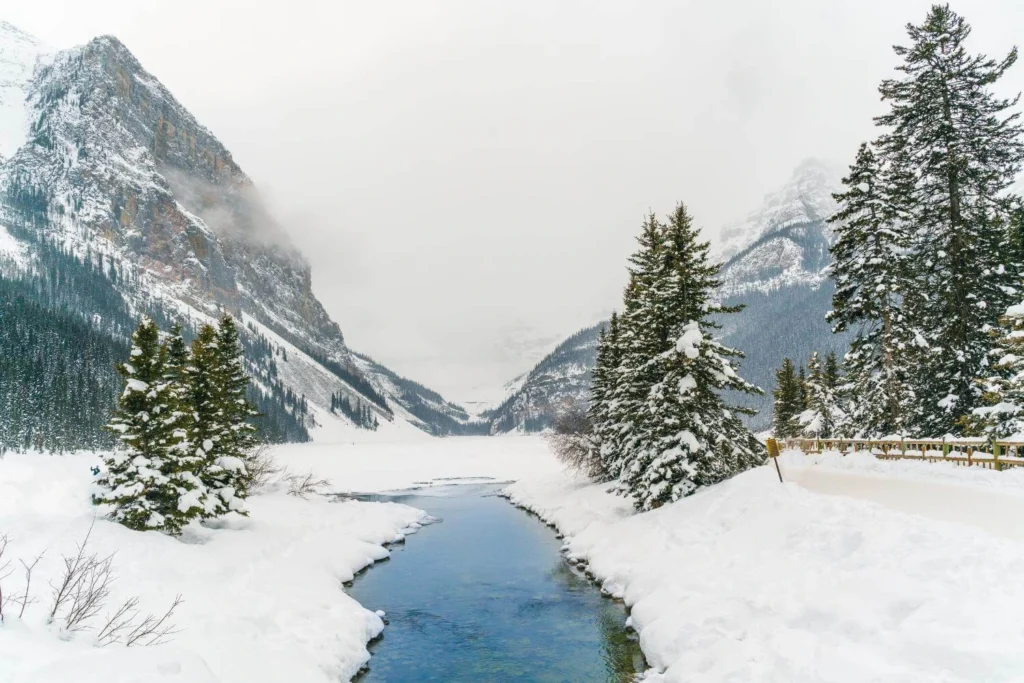
February is still very much winter, but it is often more enjoyable for visitors than January. Days slowly become longer as the month progresses, winter festival season peaks, and many destinations feel more lively despite the cold.
This is one of the best months for classic winter travel in Canada, including ice skating, snow festivals, dog sledding, and cultural winter events. The weather remains cold, but it feels more balanced with activity and daylight.
Solo travel tip:
February is the best month for solo winter travel in Canada if you want structured events, winter activities, and social energy without the holiday crowds.
Early To Mid-March
Early to mid-March is a transition period between winter and spring in Canada. Snow remains in many regions, especially in the mountains and northern areas, while cities begin to feel slightly lighter and more manageable.
This is a shoulder season for winter travel, especially if you are on a budget. Ski resorts are still active, winter tours continue, and prices often start to drop. Conditions vary widely depending on where you are in the country as spring approaches.
Solo travel tip:
Early to mid-March is a great option if you want winter experiences with longer days and a more relaxed pace, particularly in Western Canada and mountain regions.
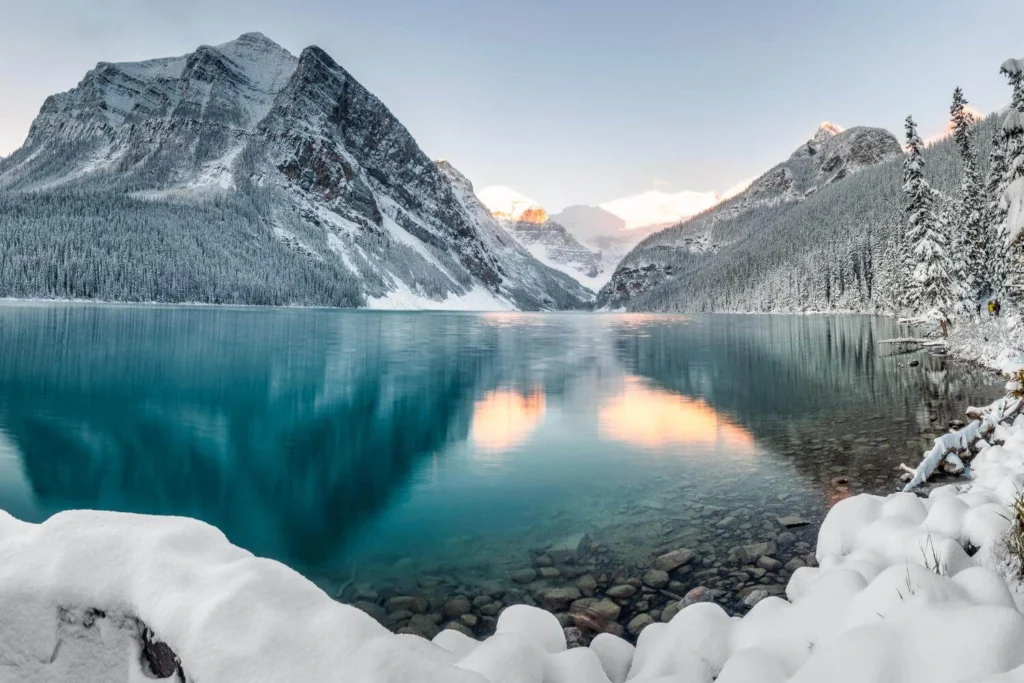
Canada Weather In Winter By Region
Canada’s winter weather depends heavily on which part of the country you visit. Understanding these regional differences is essential for planning a realistic and enjoyable solo trip.
Western Canada
Western Canada has the most varied winter weather in the country. Coastal areas like Vancouver experience mild, wet winters with temperatures hovering around 0°C to 7°C (32°F to 45°F), while mountain regions receive heavy snowfall.
Inland British Columbia and the Rocky Mountains are colder, with consistent snow and excellent conditions for winter sports. Travel conditions can change quickly due to mountain weather.
If you want a mix of city travel and winter scenery or outdoor activities without committing to extreme cold everywhere, Western Canada is a great option.
Solo travel tip:
Western Canada works well for solo travelers who want flexibility. You can choose milder coastal cities or fully embrace winter in the mountains depending on your comfort level.
The Prairies
The Prairies are known for extreme cold and wide-open landscapes. Winter temperatures here regularly drop below -25°C (-13°F), with wind chill making it feel significantly colder.
Snowfall is generally lighter than in other regions, but the cold is intense and persistent. Sunny winter days are common, which helps with visibility but does not reduce temperatures.
This region is best suited to experienced winter travelers or those visiting for specific events or family connections rather than casual sightseeing.
Solo travel tip:
Winter travel in the Prairies requires serious cold-weather clothing and careful planning. It is not the best region for spontaneous travel or long-distance day trips.
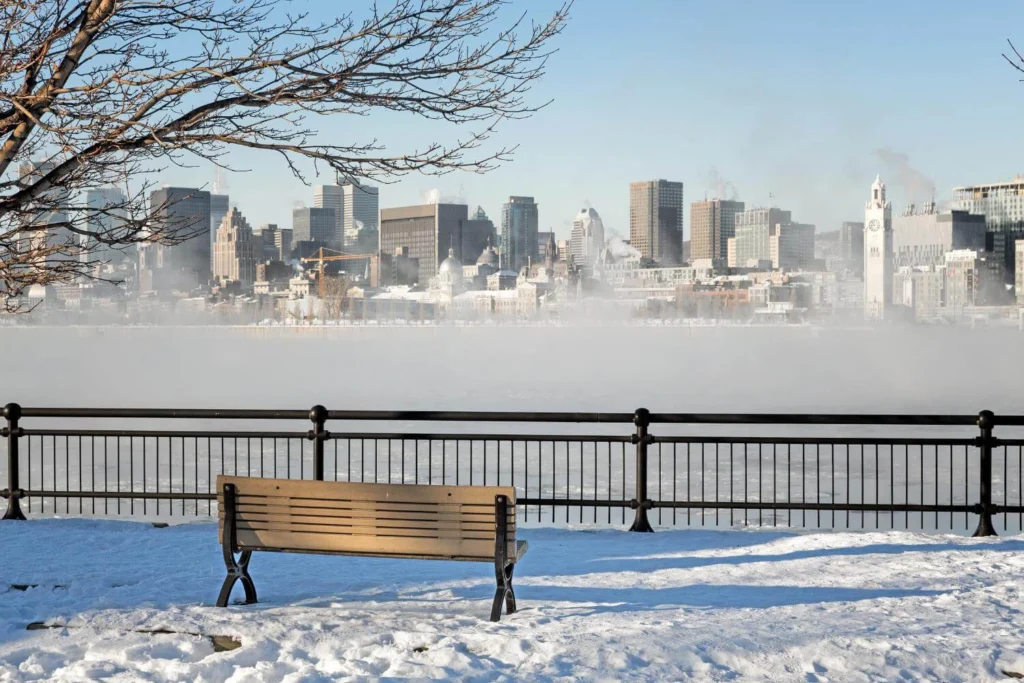
Eastern And Central Canada
Eastern and Central Canada is where you will experience classic Canadian winter conditions. This includes Ontario and Quebec, where winters are cold, snowy, and well established.
Temperatures regularly fall below -15°C (5°F) and can dip past -20°C (-4°F) during cold snaps. Snowfall is consistent, lakes and rivers freeze, and cities are fully equipped to function throughout winter.
This region offers some of the most accessible winter travel in Canada thanks to strong infrastructure, frequent festivals, and reliable transportation in major cities.
Solo travel tip:
If it’s your first time visiting Canada in winter, Eastern and Central Canada are often the easiest regions to navigate alone due to walkable cities and winter-ready services.
Northern Canada
Northern Canada experiences long, dark, and extremely cold winters. Temperatures often fall below -30°C (-22°F), with limited daylight during the heart of winter.
While conditions are harsh, this region offers unique winter experiences, including Northern Lights viewing and Indigenous-led winter activities. Travel here is more expensive and logistically complex than in southern regions.
If you want Arctic-style winter experiences rather than general sightseeing, Northern Canada is the best option.
Solo travel tip:
Winter travel in Northern Canada should be planned very carefully, ideally with guided experiences or tours that include transportation and cold-weather support. I would not recommend exploring this region completely independently as a solo traveler unless you are experienced with severe winter conditions.
Atlantic Canada
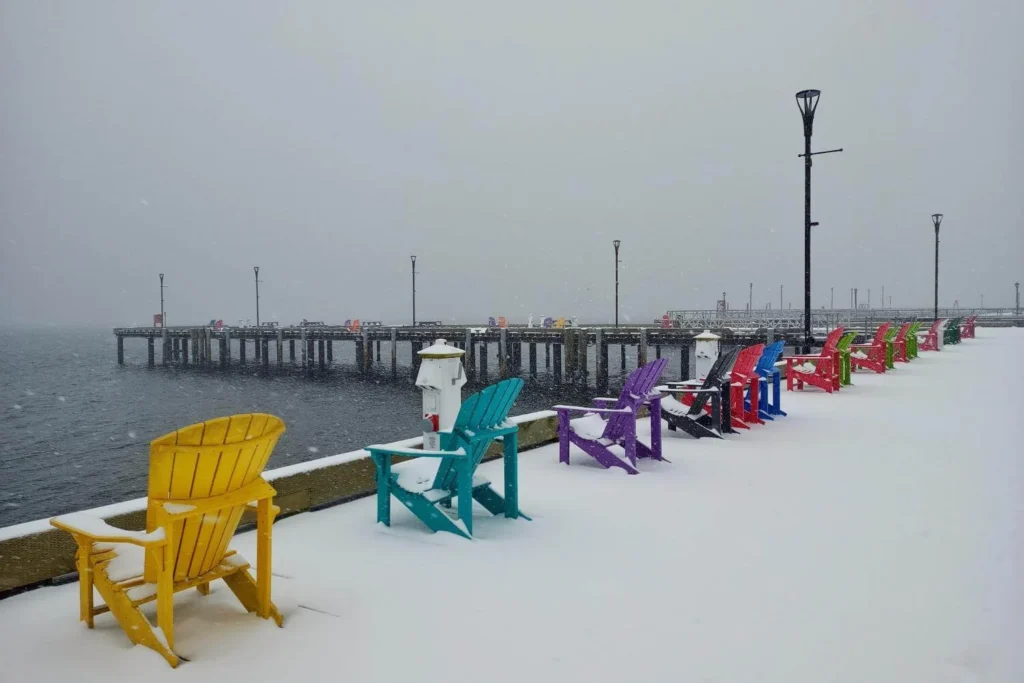
Winter in Atlantic Canada is cold, windy, and heavily influenced by the ocean. Temperatures are generally milder than in Central Canada or the Prairies, but snow, freezing rain, and strong coastal winds are common.
Expect winter temperatures to range from around -5°C to -15°C (23°F to 5°F), with frequent snowstorms rather than long stretches of extreme cold. Roads and ferries can be affected by weather, particularly in more rural areas.
This region is a great choice if you want dramatic winter scenery, coastal towns, and slower-paced travel rather than fast-moving itineraries.
Solo travel tip:
Atlantic Canada in winter works best if you stay in one place and build flexibility into your plans, especially if you are relying on public transport.
Best Time To Visit Each Region Of Canada In Winter
Choosing when to visit Canada in winter matters just as much as choosing where to go. Each region shines at different points in the season, depending on weather, festivals, daylight, and travel conditions.
Atlantic Canada
Best time to visit: Late January to early March
This is when Atlantic Canada fully settles into winter. Snowfall is reliable, winter festivals are more common, and coastal towns are quieter and more atmospheric. December is festive, but weather disruptions are more likely around the holidays.
Late winter works best if you want winter scenery without peak tourist crowds and are comfortable planning around weather-related delays.
Solo travel tip:
Plan fewer locations and longer stays. Winter travel in Atlantic Canada rewards slower, more intentional itineraries.
Eastern and Central Canada
Best time to visit: January to February
This region handles winter extremely well, making it one of the easiest parts of Canada to visit during the coldest months. January brings fewer crowds after the holidays, while February offers festivals, longer daylight hours, and a more social winter atmosphere.
December is also popular, but accommodation prices are higher and attractions are busier due to Christmas and New Year travel.
Solo travel tip:
February is especially solo-friendly thanks to festivals, walkable cities, and strong public transportation even in deep winter.
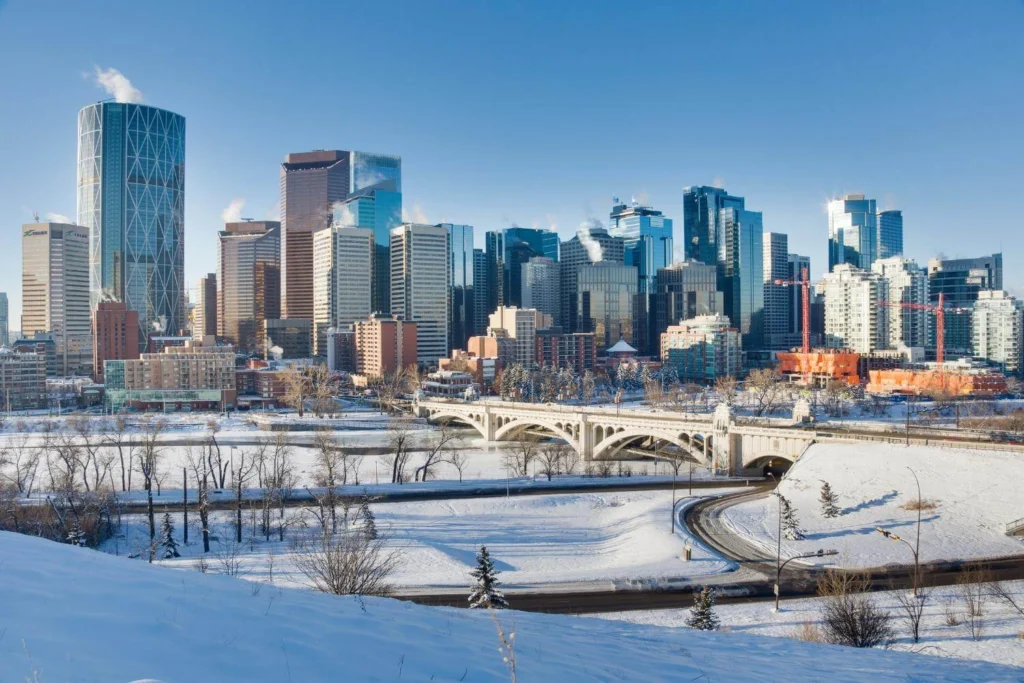
The Prairies
Best time to visit: February to early March
January is often too cold for comfortable sightseeing unless you are very experienced with winter travel. February brings slightly longer days, major winter festivals, and more manageable travel conditions, even though temperatures remain cold.
Early March can work well if you are visiting for specific events or family reasons and want to avoid the coldest part of winter.
Solo travel tip:
Avoid tight schedules. Weather delays are more common, and flexibility is key when traveling in Prairie winters.
Western Canada
Best time to visit: December to February, depending on location
Winter timing in Western Canada depends on whether you are visiting the coast or the mountains. December is great for festive city travel in places like Vancouver, while January and February are best for mountain destinations focused on snow sports.
February offers a strong balance of daylight, snow conditions, and fewer holiday crowds across both city and mountain areas.
Solo travel tip:
Western Canada is ideal if you want to tailor your winter experience. You can mix mild city stays with colder mountain adventures in the same trip. It’s also the best option if you want to minimal snow.
Northern Canada
Best time to visit: February to March
Late winter offers the best balance for Northern Canada. Days become slightly longer, temperatures are still cold enough for winter experiences, and Northern Lights viewing remains strong.
December and January are darker and more extreme, making them better suited to travelers with very specific goals rather than general winter exploration.
Solo travel tip:
Late winter is the safest and most manageable time for solo travelers visiting Northern Canada, especially when booking guided experiences.
Best Places In Canada To Visit Alone In Winter
Canada offers very different winter experiences depending on where you go. These destinations stand out because they are well set up for winter travel, offer memorable seasonal experiences, and work particularly well for solo female travelers.
Banff National Park
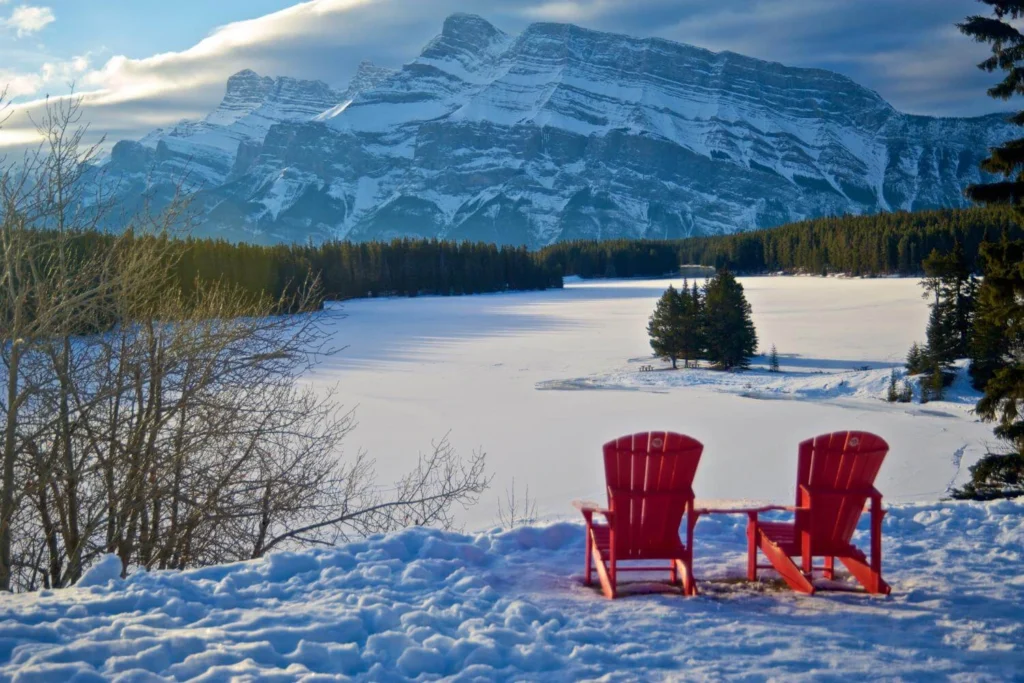
Banff National Park is one of the most iconic winter destinations in Canada. Snow-covered mountains, frozen lakes, and winter activities make it an unforgettable place to experience Canadian winter scenery.
Best time to visit
January to March for peak winter conditions and fewer summer-style crowds.
Weather
Cold and snowy, with daytime temperatures often between -5°C and -15°C (23°F to 5°F), colder at night.
Getting around
Banff town is great for solo travelers. It’s walkable, and the winter shuttle services make it easy to reach key sights like Lake Louise without driving.
Best things to do
Snowshoeing, ice skating on frozen lakes, skiing, winter hiking, and soaking in nearby hot springs.
Local food and drink to try
Hearty comfort food, Alberta beef, and warming après-ski drinks.
Cuisine
Mountain lodge-style dining with a focus on Canadian and alpine-inspired dishes.
Solo tip
Stay in Banff town rather than remote lodges if you’re traveling alone. It makes dining, transport, day trips and social activities much easier.
Whistler
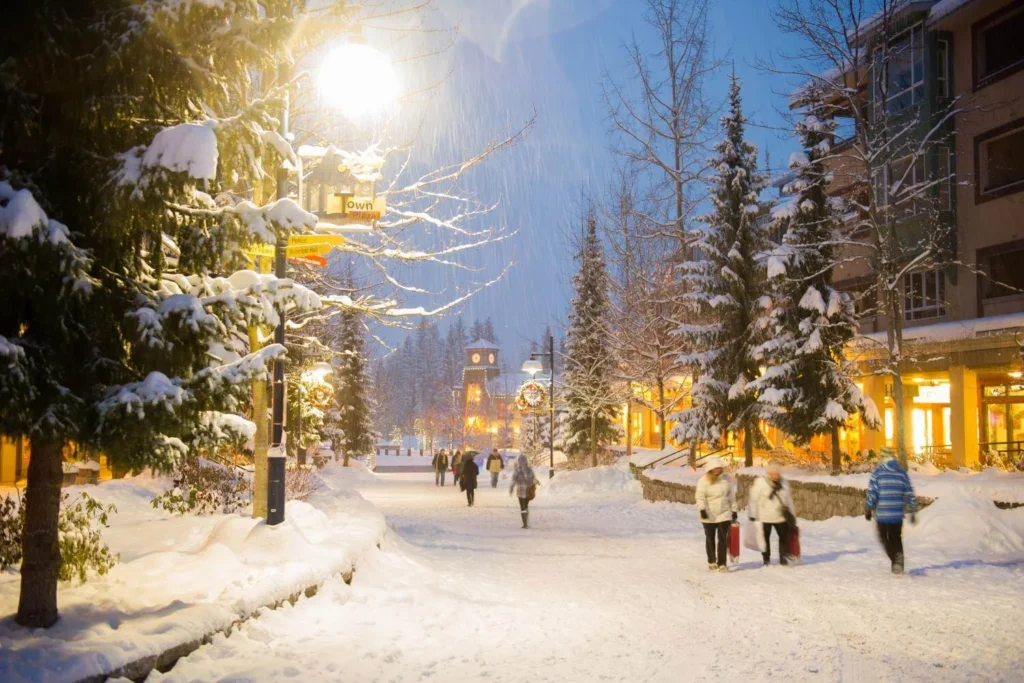
Whistler is one of North America’s best-known winter sports destinations and works surprisingly well for solo travelers thanks to its village layout and social atmosphere.
Best time to visit
January to February for reliable snow and fewer holiday crowds.
Weather
Cold and snowy, with temperatures typically between -5°C and 2°C (23°F to 36°F).
Getting around
The village is compact and pedestrian-friendly. Regular shuttle services connect Whistler to Vancouver.
Best things to do
Skiing, snowboarding, snowshoeing, winter spa experiences, and après-ski activities.
Local food and drink to try
Après-ski classics, cozy cafés, and warming cocktails.
Cuisine
International dining with a strong focus on comfort food.
Solo tip
Group lessons and tours make Whistler very social, even if you arrive alone.
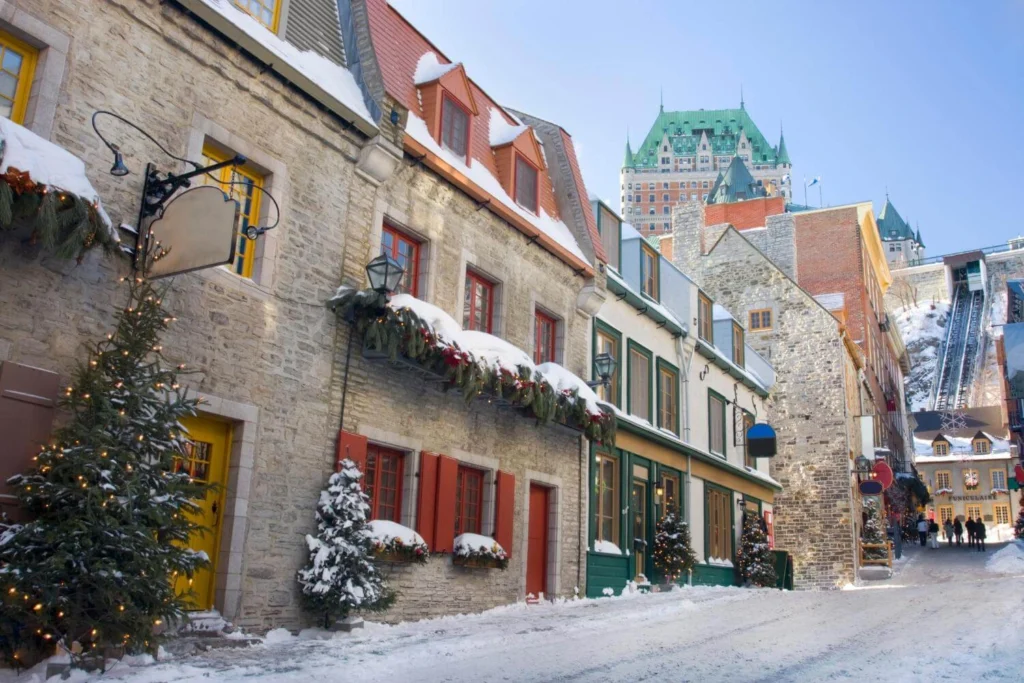
Quebec City
Quebec City feels tailor-made for winter. Snow transforms the historic streets into something out of a fairytale, and the city fully embraces winter culture rather than retreating indoors.
Best time to visit
Late January to mid-February, especially during the winter carnival period.
Weather
Cold and snowy, often between -10°C and -20°C (14°F to -4°F).
Getting around
Very walkable, with reliable public transport and cleared sidewalks even after heavy snowfall.
Best things to do
Explore Old Quebec, attend winter festivals, visit museums, and enjoy seasonal food and drink.
Local food and drink to try
Tourtière, maple-based treats, hot chocolate, and mulled drinks.
Cuisine
French-Canadian comfort food with a strong winter focus.
Solo tip
Quebec City is one of the easiest winter destinations to explore alone thanks to its compact layout and lively winter atmosphere.
Niagara Falls
Niagara Falls in winter offers a quieter, more dramatic experience than summer. The partially frozen falls and mist-covered landscapes feel completely different without peak-season crowds.
Best time to visit
January to February for icy scenery and lower accommodation prices.
Weather
Cold with lake-effect snow, typically between -5°C and -15°C (23°F to 5°F).
Getting around
Easily accessible by train or bus from Toronto, with walkable viewpoints.
Best things to do
View the frozen falls, visit nearby wineries, and explore indoor attractions.
Local food and drink to try
Ice wine, local comfort food, and warm café-style meals.
Cuisine
Wine-focused dining mixed with casual Canadian fare.
Solo tip
Winter is ideal for solo travelers who want to avoid crowds and enjoy Niagara Falls at a slower, more reflective pace.
Toronto
Toronto offers a city-based winter experience that balances cold weather with cultural variety. It is ideal if you want winter vibes without committing to outdoor adventure every day.
Best time to visit
December for festive energy or February for quieter streets and winter events.
Weather
Cold with occasional snowstorms, usually between -5°C and -15°C (23°F to 5°F).
Getting around
Excellent public transport makes winter navigation easy without a car.
Best things to do
Explore museums, winter markets, neighbourhoods, and seasonal events.
Local food and drink to try
Global cuisine, comfort food, and winter cafés.
Cuisine
One of the most diverse food scenes in Canada, perfect for dining solo.
Solo tip
Toronto is a great winter destination if you prefer structured indoor activities mixed with short outdoor walks.
Canada Winter Holidays And Festivals
Winter in Canada is not just about cold weather and snow. It’s also when many cities lean fully into seasonal celebrations, making winter feel social, lively, and welcoming rather than isolating. Planning your trip around a winter holiday or festival is an easy way to add structure and socializing to a solo trip.
Winterlude
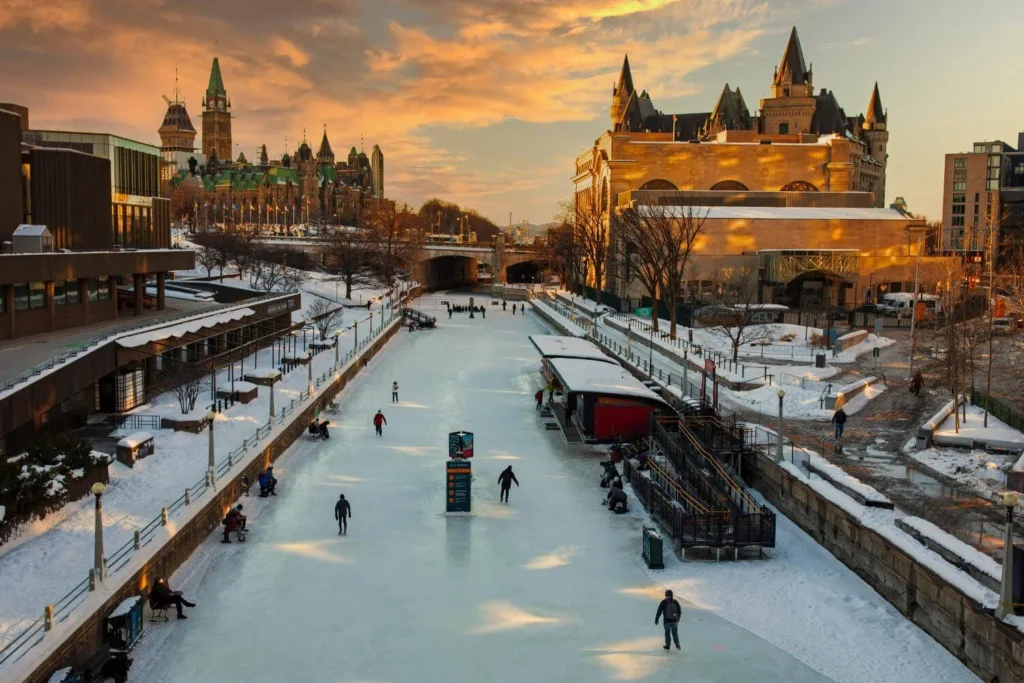
Winterlude takes place in Ottawa over several weekends in late January and February. In 2026, it runs from January 30 to February 16. It is one of Canada’s most well-known winter festivals and celebrates the season rather than trying to escape it.
The festival features ice sculptures, snow slides, winter activities, live performances, and skating along the Rideau Canal when conditions allow. Events are spread across the city, making it easy to dip in and out without committing to a packed schedule.
Solo travel tip:
Winterlude is very solo-friendly. You can wander at your own pace, join activities casually, and enjoy the atmosphere without needing to plan every hour.
Quebec Winter Carnival
The Quebec Winter Carnival, known locally as Carnaval de Québec, usually runs for around 10 days from late January to mid-February. In 2026, it takes place from February 6 to February 15.
This is one of the largest and most iconic winter festivals in the world. Ice sculptures, night parades, winter games, and Bonhomme’s Ice Palace turn Quebec City into a full winter playground.
Solo travel tip:
This festival is ideal if you want a social winter experience. Events run throughout the day and evening, and the city feels lively even in deep winter.
Santa Claus Parade
Santa Claus parades take place in several Canadian cities, including Toronto and Vancouver, usually in late November or early December. These parades officially kick off the holiday season and bring a festive feel to city centres before winter fully sets in. They are free to attend and easy to combine with Christmas markets, seasonal shopping, and holiday light displays.
Solo travel tip:
Santa Claus parades are a nice addition to a December city break, especially if you want festive energy without committing to full winter activities yet.
Christmas Day
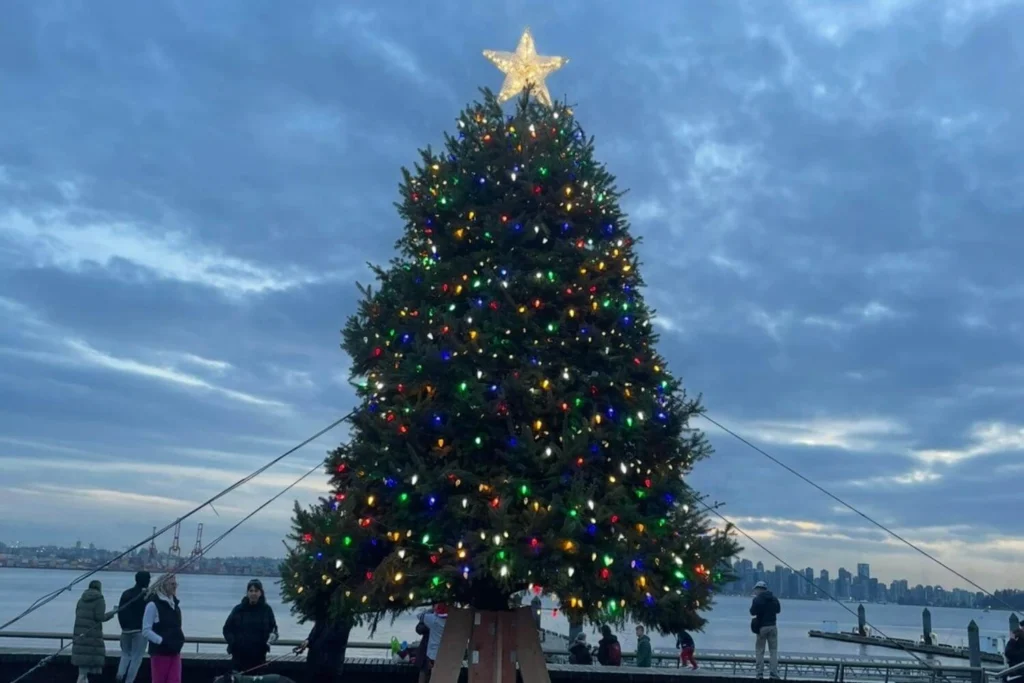
Christmas in Canada is celebrated across the country, with cities and towns decorated with lights, markets, and seasonal displays. While Christmas Day itself is quieter, the days leading up to it are lively and atmospheric.
Many attractions close on December 25, so this is a good day for relaxed walks, scenic views, or quiet reflection rather than sightseeing.
Solo travel tip:
Plan ahead for Christmas Day by booking accommodation with kitchen access or confirming what cafés and restaurants will be open.
Boxing Day
Boxing Day, on December 26, is a major shopping day in Canada. Retailers offer significant discounts, and city centres become busy again after Christmas Day. It’s also a popular day for winter walks, skating, and casual outings, especially in larger cities.
Solo travel tip:
If you enjoy shopping, Boxing Day is worth experiencing once. Just be prepared for crowds and plan indoor breaks to warm up.
New Year’s Eve And New Year’s Day
Cities and small towns across Canada celebrate the new year with fireworks, outdoor concerts, countdown events and polar bear swims (yes, really).
Solo travel tip:
Solo travellers can easily join public outdoor celebrations without feeling out of place.
Other Winter Festivals And Events In Canada
Beyond Canada’s headline winter festivals, there are lots of smaller regional events that celebrate winter in more local, low-key ways. These are often easier to navigate as a solo traveler and can add fun experiences to your trip without overwhelming your itinerary.
Western Canada
Western Canada offers a mix of outdoor-focused and food-and-drink winter events. In British Columbia, many of the festivals celebrate mountain culture, while wine regions host seasonal tastings. They often combine winter scenery with social experiences, so they are great for solo travelers.
Whistler World Ski And Snowboard Festival, Whistler, British Columbia
Held in early spring but still very much a winter event, combining skiing with music, art, and nightlife.
Fire & Ice Festival, Banff, Alberta
A winter celebration with ice carving competitions, skating, and après-style events.
Solo travel tip:
Western winter festivals are a good option if you enjoy pairing outdoor activities with warm indoor spaces like restaurants, spas, or wineries.
Eastern and Central Canada
Eastern and Central Canada host a wide range of winter fairs and seasonal events throughout January and February in the major cities. Smaller cities and towns across Ontario and Quebec also run winter markets, skating events, and cultural celebrations.
Toronto Winterlicious, Toronto, Ontario
A popular prix-fixe dining event running in January and February. Restaurants across the city offer set menus at lower prices.
Igloofest, Montreal, Quebec
An outdoor electronic music festival held in the Old Port of Montreal, usually late January to early February.
Solo travel tip:
Indoor-focused winter events are ideal if you want to stay warm while still experiencing local culture and seasonal food.
The Prairies
The Prairies lean into winter through cultural festivals that are tied deeply to regional identity, offering insights into prairie culture during the coldest months of the year.
Festival du Voyageur, Winnipeg, Manitoba
A major winter festival celebrating French-Canadian and Métis heritage. Features music, food, snow sculptures, and historical programming.
Deep Freeze Festival, Edmonton, Alberta
A winter arts and culture festival celebrating multicultural traditions with ice carving, performances, and food.
Solo travel tip:
Prairie festivals are very welcoming, but plan transport carefully, especially at night when temperatures drop quickly.
Northern Canada
Winter festivals in Northern Canada are often tied to Indigenous culture, local traditions, and seasonal light. Events frequently include storytelling, craft markets, traditional food, and opportunities to learn about winter survival and northern life. Many festivals are smaller and community-based, offering a more intimate experience than large city events.
Snowking Winter Festival – Yellowknife, Northwest Territories
Built around a castle made entirely of ice on Great Slave Lake. Includes performances, events, and art installations.
Yukon Rendezvous, Whitehorse, Yukon
A long-running winter festival with cultural events, outdoor activities, and community celebrations.
Solo travel tip:
Northern winter events are best experienced as part of a guided trip or organized stay, especially if you are unfamiliar with Arctic conditions.
Atlantic Canada
Winter festivals in Atlantic Canada tend to be community-focused and informal. Events often revolve around ice skating, snow activities, live music, and local food, particularly in cities like St. John’s and Halifax. These festivals are a great way to experience winter culture without large crowds or rigid schedules. Many events are outdoors but paired with indoor warming spaces, pubs, or cafés.
Frostival, Fredericton, New Brunswick
A multi-week winter festival focused on outdoor activities, food events, and community gatherings. Expect snowshoe walks, pop-up events, and cozy indoor programming.
Snowflake Winter Festival, Charlottetown, PEI
A seasonal festival with outdoor skating, holiday lights, and winter markets. It leans festive rather than extreme winter adventure.
Solo travel tip:
Atlantic winter events are easy to attend alone. You can drop in briefly, enjoy the atmosphere, and leave without feeling out of place.
Traditional And Popular Canadian Winter Activities
In Canada, Winter is a season that shapes daily life, social plans, and local culture. So trying a few traditional winter activities will help you understand how Canadians actually experience winter.
Atlantic Canada
Winter activities tend to be practical, outdoorsy, and community-driven in Atlantic Canada. Snowshoeing and cross-country skiing are popular ways to explore coastal trails and national parks, particularly in places like Fundy National Park and Cape Breton Highlands. These activities are slower-paced and accessible, even if you have never tried them before.
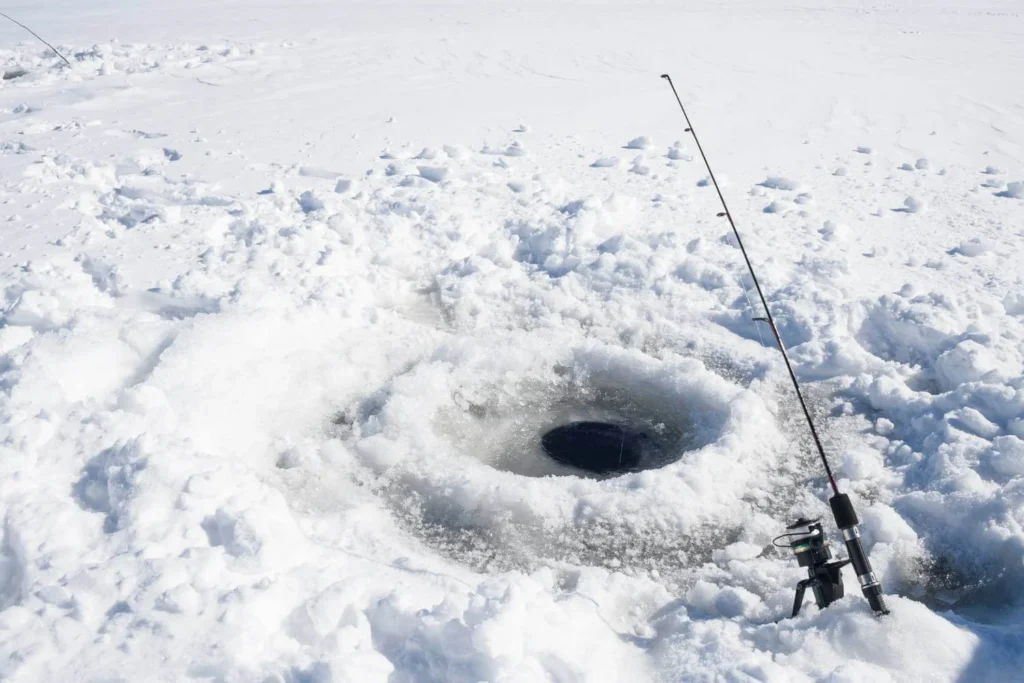
Ice fishing is another long-standing winter tradition in parts of New Brunswick and Nova Scotia. Many communities host informal ice fishing events or competitions once conditions allow.
Solo travel tip:
Guided snowshoe or ski outings are a good way to experience Atlantic winter landscapes without worrying about navigation or changing weather conditions.
Eastern and Central Canada
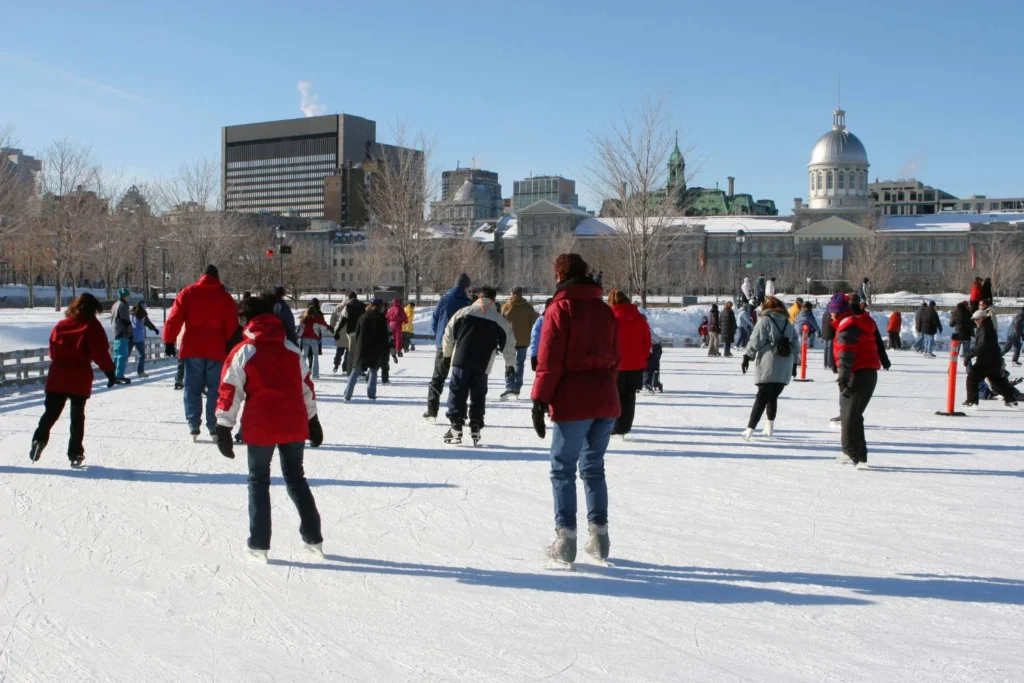
Eastern and Central Canada fully embraces winter recreation, especially in the cities. Ice skating is one of the most popular winter activities, with outdoor rinks appearing across cities and towns. Skating on the Rideau Canal Skateway in Ottawa is one of the most iconic winter experiences in the country.
Curling is another traditional winter sport that you will see frequently. Many local clubs offer beginner sessions or casual drop-in games during the winter months.
Solo travel tip:
Outdoor skating rinks are ideal solo activities, and very beginner friendly. You can show up, skate for as long as you like, and leave whenever you want to.
The Prairies
Prairie winter activities are shaped by open landscapes and colder temperatures. Skiing and snowboarding are popular at local hills and resorts, particularly in Alberta, where winter sports are part of everyday life. Smaller hills in Saskatchewan and Manitoba offer more relaxed, beginner-friendly environments.
Horse-drawn sleigh rides are another classic Prairie winter experience. These rides often take place in rural areas or during winter festivals and are usually paired with hot drinks and fires.
Solo travel tip:
Prairie winters are cold, and structured experiences make winter travel more comfortable so choose activities with set start and end times.
Western Canada
Western Canada offers some of the most varied winter activities in the country. Dog sledding is a standout experience in British Columbia and Alberta, especially in mountain regions. Many tours allow you to either ride with a guide or learn to control your own sled.
Ice climbing has also become a popular winter activity in the Rockies around Canmore and Jasper. While it sounds intense, beginner-friendly guided climbs are widely available.
Hot springs are another essential winter activity in this region. Soaking in natural hot springs after a cold day outdoors is a classic Canadian winter experience.
Solo travel tip:
Western Canada is ideal for guided winter activities. Tours handle logistics and safety, making it easier to try something new on your own.
Northern Canada
Winter activities in Northern Canada are deeply tied to Indigenous traditions and survival skills.
Northern Lights viewing is one of the main reasons travelers visit this region in winter. Clear skies and long nights make late winter an ideal time for viewing.
Traditional Indigenous winter activities may include snowshoeing, ice fishing, storytelling, and learning about life in extreme winter conditions through guided cultural experiences.
Winter camping is also offered in some northern regions, often using heated tents or snow shelters designed for Arctic environments.
Solo travel tip:
Northern winter activities should always be done with experienced guides. This region is not suited to independent winter exploration unless you have extensive cold-weather experience.
General Winter Activities Across Canada
Some winter activities are popular nationwide and easy to try almost anywhere. Building snowmen and snow forts is a classic winter pastime, even for adults. Tobogganing and sledding are also widely enjoyed and often free in city parks.
Winter photography is also popular, with snow transforming familiar landscapes into something completely different. Many cities and parks offer guided photography walks during the winter months.
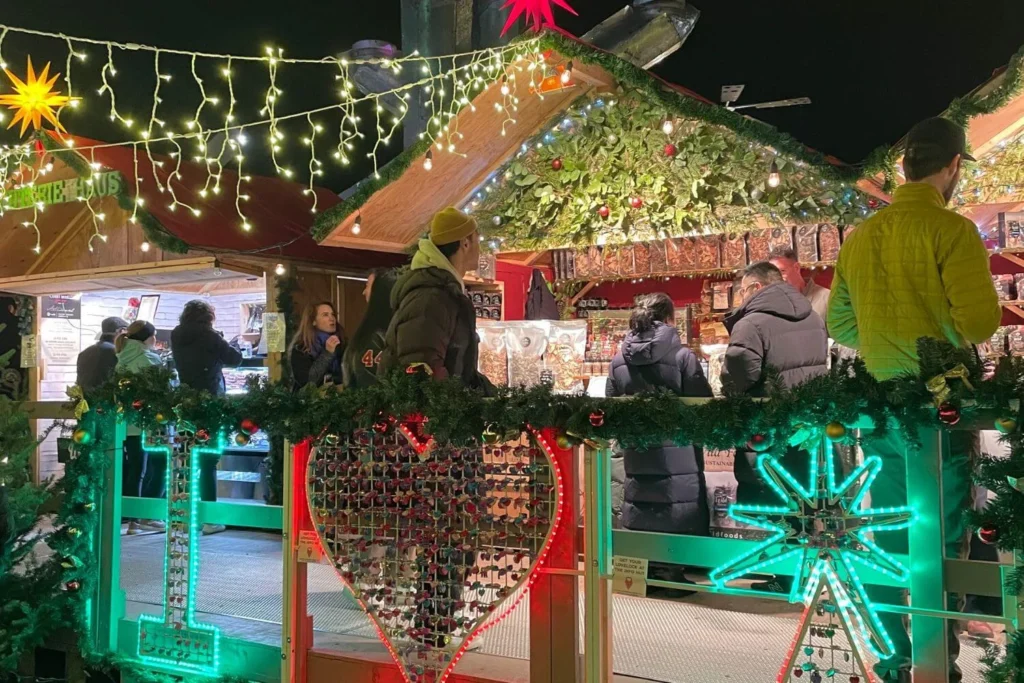
Christmas & Winter Markets are really popular in Canada. You’ll find lots of twinkling lights, large festive decorations, wooden stalls, local crafts, and cosy food stands. Major markets include: Vancouver Christmas Market, Toronto’s Distillery Winter Village, Montreal Christmas Market and Ottawa Christmas Market.
Winter Hiking is popular all over Canada because Canada’s winter landscapes are breathtaking. Some of the most popular winter trails are: Johnston Canyon (Banff), Lynn Canyon (Vancouver), Mont Tremblant (Quebec) and Cape Breton coastal trails (Nova Scotia).
Winter Light Festivals are huge across Canada in December and January. VanDusen Festival of Lights (Vancouver), Airdrie Festival of Lights (Alberta), Jardin Botanique lights (Montreal) and Magic of Lights (various cities)
Seasonal food experiences, such as maple taffy poured on snow, are also considered winter activities in Canada and are often part of festivals and outdoor events.
Watching a Hockey Game is one of the most authentic Canadian winter experiences you can have. It’s energetic, social, and very easy to enjoy solo.
Solo travel tip:
Many of Canada’s best winter activities are low-pressure and self-paced, making them ideal for solo travelers.
Winter Bucket-List Experiences In Canada
Some winter experiences in Canada go beyond everyday sightseeing. These are the kinds of moments people plan entire trips around, and winter is often the only time you can experience them properly. If you want your trip to feel truly memorable, these are some of the bucket-list experiences worth considering.
See Polar Bears In The Wild
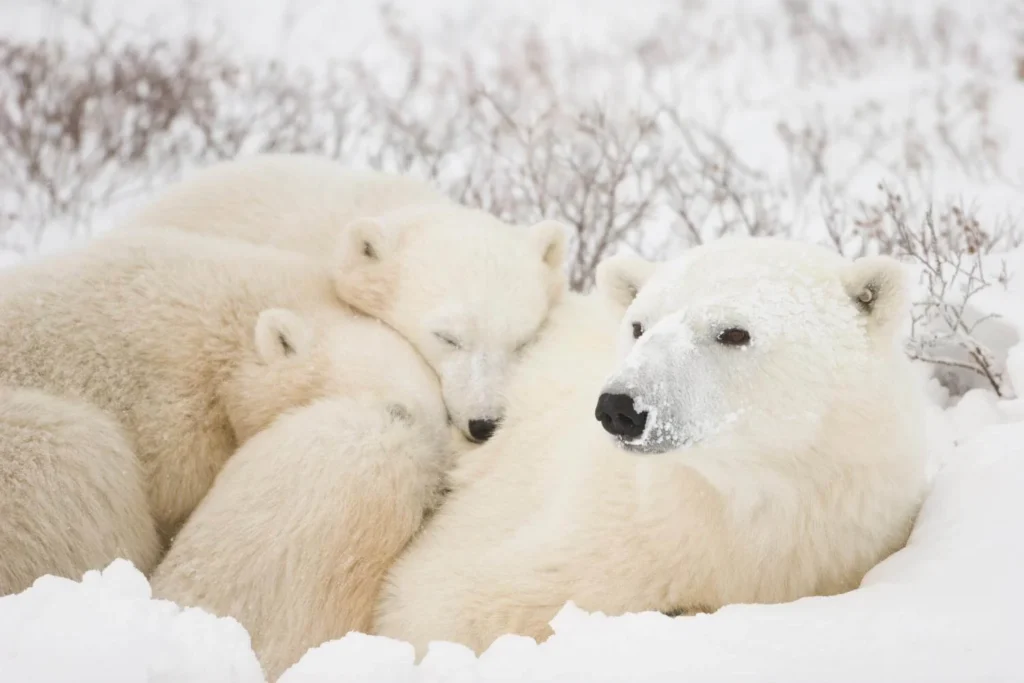
Seeing polar bears in the wild is one of the most unique wildlife experiences in the world, and Canada is one of the few places where it’s possible. The town of Churchill is known as the polar bear capital of the world.
The prime season for polar bear viewing is late October to November, when bears migrate toward the coast. While this is technically late fall rather than deep winter, I’m including it in this post as it is still a cold-weather, winter-style experience that requires specialized planning.
Solo travel tip:
Polar bear viewing is only available through guided tours. This makes it very safe and solo-friendly, as everything from transport to accommodation is handled for you. This once in a lifetime experience is expensive though, but most tours offer payment plans.
Go Dog Sledding
Dog sledding is one of the most iconic winter activities in Canada and it’s deeply tied to the country’s winter identity. It is offered across many regions, including British Columbia, Alberta, Quebec, and the Yukon. The only caution, like with many animal experiences, is to do your research before booking to ensure you book with a company that takes really good care of its dogs.
Most tours include instruction, winter clothing, and the option to either ride with a guide or control your own sled. Experiences range from short introductory rides to full-day or multi-day excursions.
Solo travel tip:
Dog sledding tours are great for solo travelers because they are structured, social without being overwhelming, and designed for beginners.
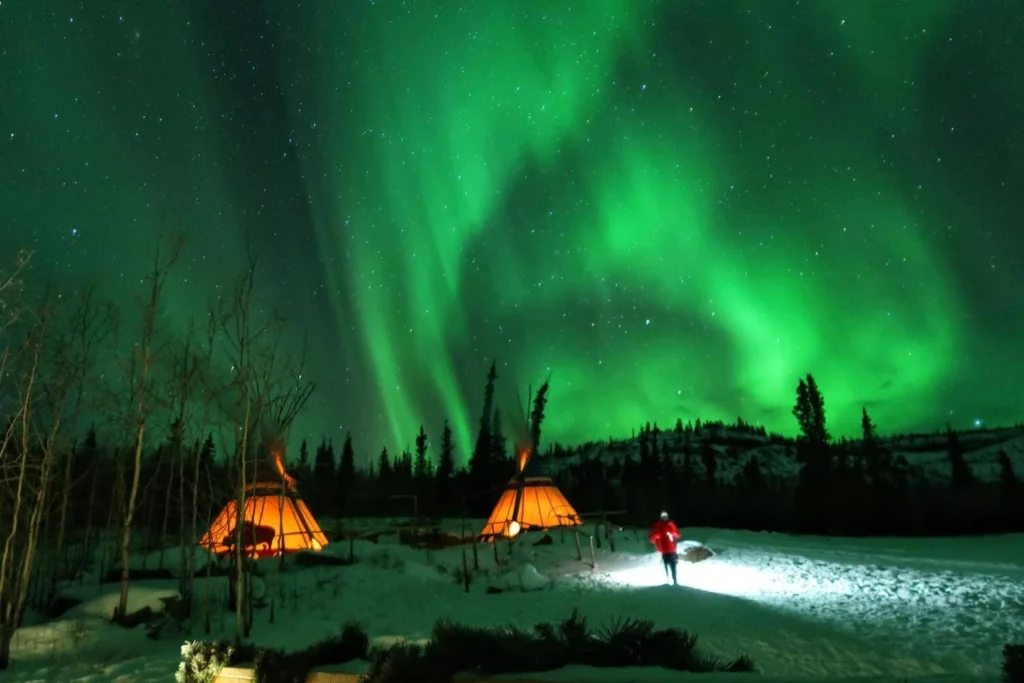
Experience The Northern Lights
Seeing the Northern Lights is one of the most powerful winter experiences in Canada. The best viewing conditions are found in Northern regions with minimal light pollution and long winter nights. But it is sometimes possible to see them elsewhere in Canada including Alberta.
Late winter, particularly February and March, offers the best balance of darkness, clearer skies, and slightly longer days. Northern Lights experiences are often paired with guided excursions, warm shelters, and photography support.
Solo travel tip:
Northern Lights trips are best as guided experiences because tours handle transport, safety, and timing, which removes a lot of stress when traveling alone.
Visit Ice Castles
Ice castles are large, walk-through structures made entirely of ice, featuring tunnels, sculptures, and glowing lights. One of the most well-known locations in Canada is Ice Castles Edmonton, which typically operates from January to early March, depending on temperatures.
These attractions are designed for wandering at your own pace and are easy to visit solo, especially in the early evening before it gets really dark.
Solo travel tip:
Go early or mid-week to avoid the crowds so that you can enjoy the experience at a slower, more relaxed pace.
Stay In An Ice Hotel
Staying overnight in an ice hotel is a true bucket-list experience. Canada is home to the famous Hôtel de Glace, located near Quebec City. The rooms are built entirely from ice and snow, and stays typically include access to thermal sleeping bags, hot drinks, and warm indoor facilities. Most guests stay for one night as part of a larger winter trip.
Solo travel tip:
An ice hotel stay is very manageable as a solo traveler because the experience itself is quiet, structured, and well supported by staff.
Best Winter Tours In Canada
Winter tours can make traveling solo in Canada much easier, especially when the weather, transportation, or safety would otherwise limit what you can do independently. These tours are all great options for solo travelers as they handle logistics, provide local knowledge, and allow you to experience winter highlights without the stress of planning every detail.
Icefield Parkway Tour, Alberta
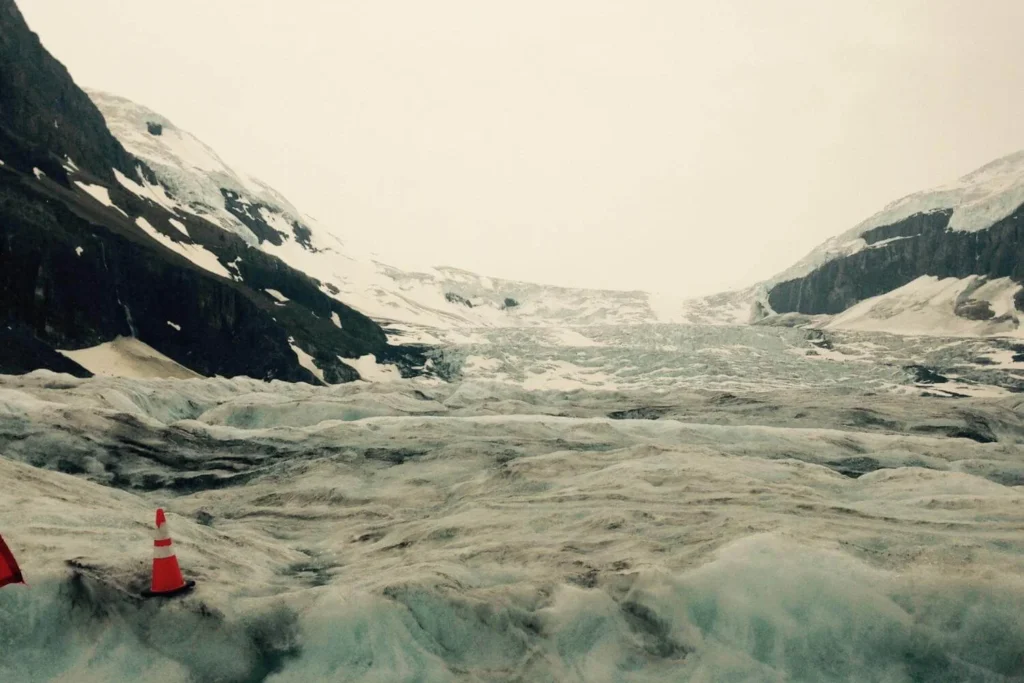
The Icefield Parkway connects Banff and Jasper and is considered one of the most scenic winter drives in the world. In winter, snow-covered peaks, frozen waterfalls, and quiet highways make the experience feel especially dramatic. Most guided winter tours include transportation, scenic stops, and opportunities for short walks or snowshoeing depending on conditions. Some also include glacier viewpoints or winter wildlife spotting.
Solo travel tip:
This tour is ideal if you do not want to rent a car or drive in winter conditions to explore the Rocky Mountains. The group sizes are usually small, and the experience is really easy to enjoy alone.
Whistler Ski And Snowboard Tours, British Columbia
Whistler offers a wide range of winter tours, from beginner ski and snowboard lessons to guided mountain experiences. Beyond skiing and snowboarding, winter tours often include snowshoeing, winter hiking, and scenic gondola rides that do not require prior experience.
Solo travel tip:
Group lessons and guided activities are a great way to meet people without committing to social plans outside the tour itself.
Northern Lights Tours, Yukon and Northwest Territories
Northern Lights tours are one of the most popular winter tour options in Canada. These tours operate in places like Whitehorse and Yellowknife, where conditions are ideal for aurora viewing. Most tours include transportation, warm gear, heated shelters, hot drinks, and guidance on photography. Many of them run on multiple nights to improve viewing chances.
Solo travel tip:
Northern Lights tours are extremely solo-friendly. Everything is planned for you, and you are not expected to navigate any dark, remote areas alone.
Winter Carnival Tour, Quebec
Guided winter carnival tours in Quebec City help you navigate one of the busiest winter festivals in the country without feeling overwhelmed. Tours often include key carnival sites, ice sculptures, and cultural highlights. Some of the tours are walking tours, while others combine indoor and outdoor stops to manage the cold.
Solo travel tip:
A guided carnival tour will add some structure and context to the festival, which will be helpful if you are visiting during peak days.
Dog Sledding Tours, Multiple Regions
Dog sledding tours are available across Canada, particularly in Quebec, British Columbia, Alberta, and the Yukon. Tours range from short introductory rides to multi-day wilderness experiences. Most operators provide winter clothing, safety briefings, and hands-on instruction, making this accessible even for first-time visitors.
Solo travel tip:
Dog sledding tours are structured and beginner-friendly, which removes the pressure of needing prior experience or travel companions.
Winter Wildlife Tours, Alberta And British Columbia
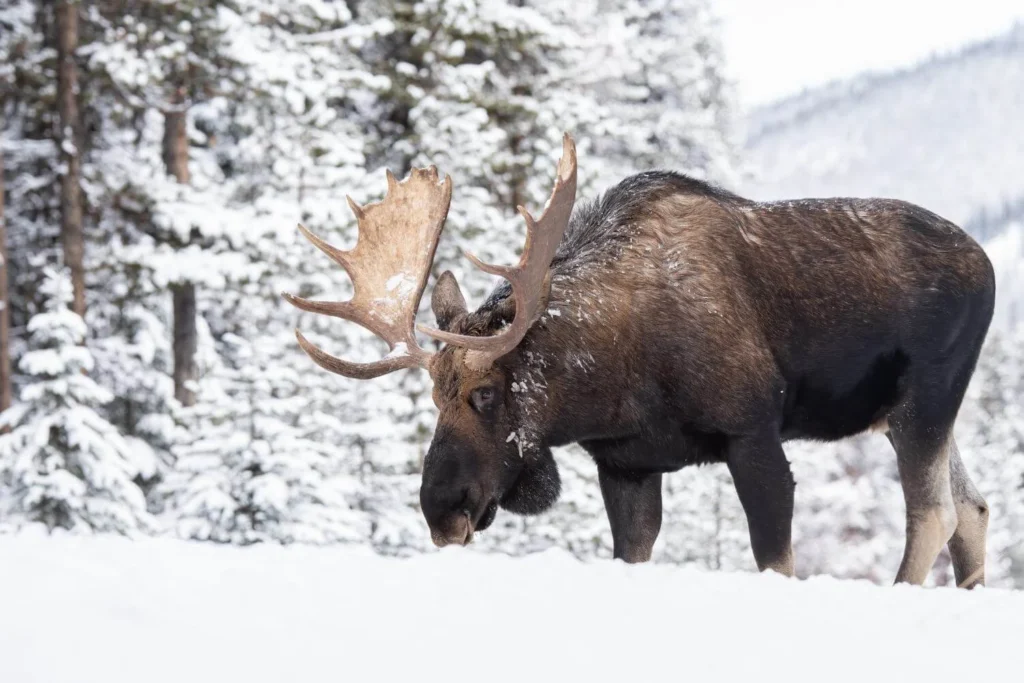
Winter wildlife tours focus on spotting animals such as elk, deer, bighorn sheep, and wolves, particularly in national park areas. Winter conditions often make animals easier to spot against snowy landscapes. Tours are led by knowledgeable guides who understand winter safety and wildlife behaviour.
Solo travel tip:
Guided wildlife tours are safer and more informative than independent winter wildlife viewing, especially when traveling alone.
Montreal Holiday Lights Tours, Quebec
Holiday lights tours in Montreal usually run in late November and December. These walking or bus-based tours focus on seasonal displays, historic neighbourhoods, and festive markets. They are often paired with food stops or warm indoor breaks, making them comfortable even on colder evenings.
Solo travel tip:
These tours are relaxed, social, and ideal if you want a festive atmosphere without intense cold exposure.
Banff Snowshoeing And Hot Springs Tours, Alberta
These tours combine guided snowshoe walks with time at nearby hot springs, creating a balance between outdoor activity and relaxation. The routes for the tours are chosen based on weather and group ability. Transportation and equipment are typically included, which simplifies winter planning.
Solo travel tip:
This type of tour is great if you want a winter experience without committing to full-day outdoor exposure.
Ice Wine Tours, Ontario
Winter ice wine tours in the Niagara region focus on vineyards that produce ice wine, a specialty made from grapes frozen on the vine. Tours usually include tastings and explanations of the production process. These tours are usually mostly indoors so they are great during colder months.
Solo travel tip:
Wine tours are easy to join alone and offer a comfortable, social environment without requiring any outdoor endurance.
Ski And Spa Retreats, Multiple Regions
Ski and spa retreats combine winter sports with relaxation. The packages often include lift tickets, accommodation, and spa access. These retreats are popular in mountain regions and are designed to balance activity with recovery.
Solo travel tip:
Ski and spa packages are great if you want structured days with built-in downtime and minimal planning.
Traditional Canadian Food and Drink In Winter
Winter food in Canada is practical, comforting, and designed to get you through the cold days. The meals tend to be heavier, warmer, and more filling. You’ll find that Canadian food often becomes part of the winter experience rather than just something you fit in between activities.
Trying traditional winter food is one of the easiest ways to understand Canadian winter culture, especially if you’re traveling solo and spending more time indoors.
Traditional Canadian Winter Treats
Some winter foods are popular across the entire country and show up at festivals, markets, and casual eateries throughout the season.
Poutine is one of the most common winter comfort foods in Canada. Hot fries, cheese curds, and gravy make it especially appealing after being outside in the cold.
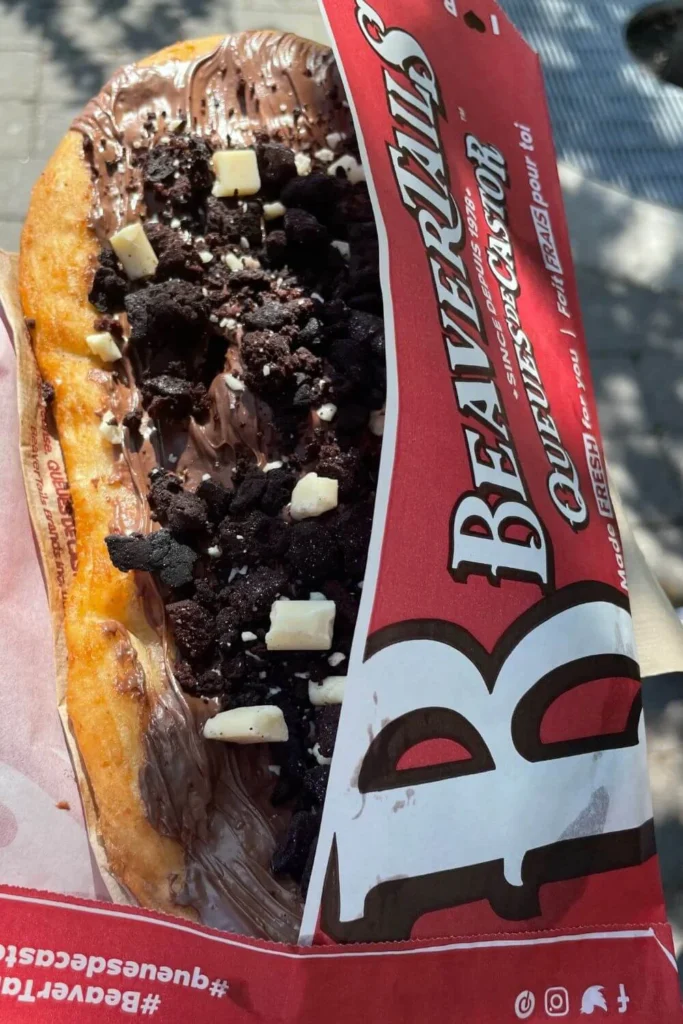
BeaverTails are another winter staple. These fried dough pastries are often topped with cinnamon sugar, chocolate, or maple-flavoured spreads and are frequently sold at winter festivals and outdoor skating rinks.
Tourtière is a French Canadian staple that is traditionally eaten around Christmas and New Year’s but you can get it all over Canada during the winter months. It’s a warm, savoury meat pie with spices like clove, cinnamon, and allspice.
Maple Taffy (Maple Syrup on Snow) is a classic Canadian winter tradition that you’ll find everywhere. It’s just hot maple syrup poured onto fresh snow and rolled onto a stick to create a chewy, sweet treat.
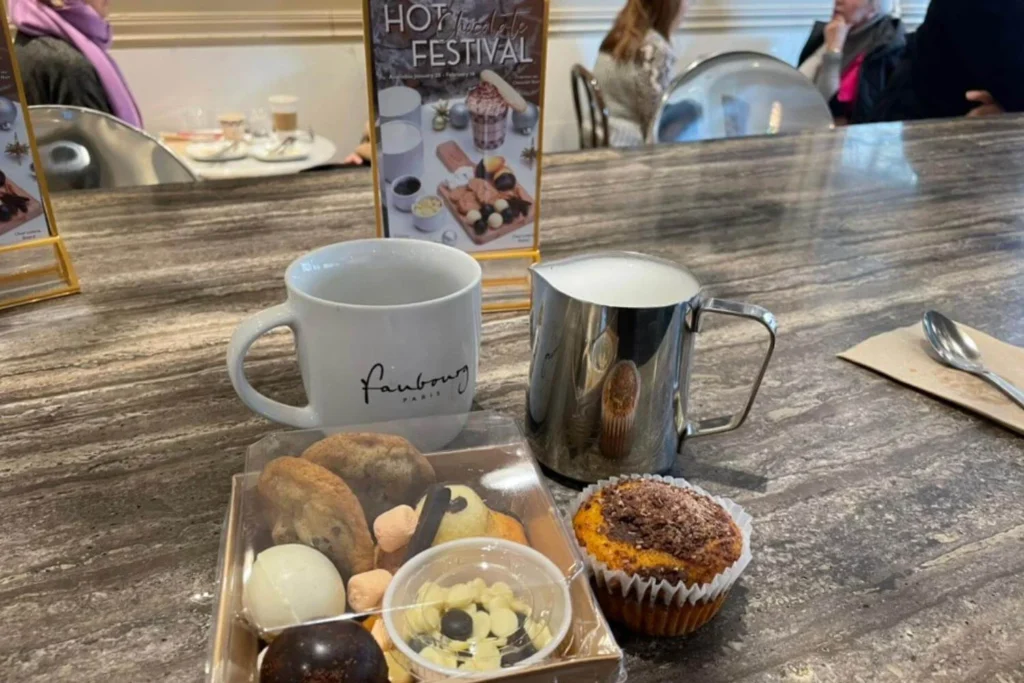
Hot chocolate is taken very seriously in winter in Canada. Many cafés offer elevated versions with real chocolate, whipped cream, or seasonal flavours, and it’s common to stop for one simply to warm up. In some cities including Vancouver, there is also an annual hot chocolate festival where cafes all over the city offer special limited edition hot chocolates.
Solo travel tip:
Winter food spots are very solo-friendly. Casual counters, cafés, markets and food trucks make it easy to eat well without needing reservations or formal dining plans.
Regional Winter Food Specialties
Canada’s winter food changes depending on where you are, reflecting local ingredients and cultural influences.
In Atlantic Canada, winter meals often feature seafood chowders and hearty soups. These dishes are filling, warming, and commonly served in small local restaurants during colder months.
In Eastern and Central Canada, winter food leans heavily toward baked goods and traditional dishes. Butter tarts, tourtière, and maple-based treats are especially popular in winter and often tied to seasonal celebrations.
In the Prairies, winter food is built around protein and root vegetables. Bison, beef, roasted vegetables, and slow-cooked meals are common, reflecting the need for energy during long, cold days.
In Western Canada, winter menus often highlight Pacific seafood alongside comfort food. Salmon, seafood chowders, and warm rice or noodle-based dishes are popular, especially in coastal cities.
In Northern Canada, traditional winter food is closely tied to Indigenous cultures and local availability. Dishes may include Arctic char and other locally sourced foods that have sustained communities through extreme winters.
Solo travel tip:
Trying regional winter food is an easy way to experience local culture without needing to book tours or plan complex outings. Ask locals what they eat in winter as it often leads to the best recommendations.
Practical Tips For Enjoying A Solo Trip To Canada In The Winter Months
Winter travel in Canada is very doable as a solo traveler, but it does require a bit more planning than other seasons. These are my top tips to help you avoid common mistakes so that you can enjoy your trip rather than feel overwhelmed by the cold or logistics.
Planning Your Solo Trip
Research destinations carefully before you book because winter conditions vary hugely across Canada, and not every place is well set up for visitors in colder months. Focus on destinations that offer winter infrastructure, public transport, seasonal activities, and guided tours rather than try to cover too much ground on your own.
Book accommodation early especially if you are traveling around Christmas, New Year, or the major winter festivals. Outside of peak holiday periods, winter can be more affordable, but popular destinations still sell out.
Check transportation options before finalising your itinerary. In major cities, public transport is reliable year-round. In smaller towns and rural areas, winter schedules can be limited, and services may be reduced or weather-dependent.
Be realistic with your travel plans. Canada is vast, and winter travel takes longer than you might expect. Even short distances can turn into multi-hour journeys once snow and weather delays are factored in.
Solo travel tip:
Fewer destinations with longer stays will make your winter trip far more enjoyable and less stressful than trying to move every couple of days.
Transportation Tips
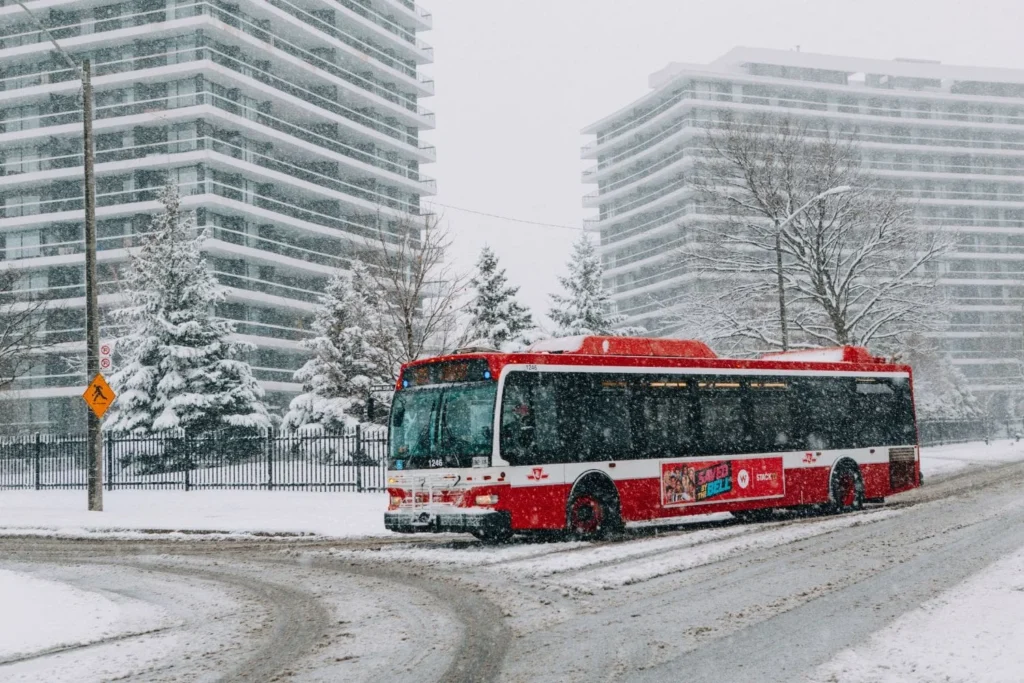
Public transport is reliable in large cities like Toronto, Vancouver, Calgary and Montreal, even during winter. Snow clearance and winter operations are standard in urban areas.
But if you plan to visit rural areas or national parks, renting a car may be necessary unless you do a guided tour. Make sure the vehicle is equipped with winter tires, which are required in some provinces and regions.
Avoid driving long distances in unfamiliar winter conditions unless you are confident and experienced. Guided tours or shuttles are often a safer and less stressful alternative.
Solo travel tip:
Winter driving is manageable for experienced drivers, but if you’re not I recommend choosing tours or public transit instead.
Activities And Experiences
Plan your activities well in advance, especially outdoor experiences like dog sledding, snowshoeing, or guided tours. Winter availability can be limited, and popular experiences often need to be booked ahead of time.
Try at least one new winter activity. Many winter experiences in Canada are beginner-friendly and literally designed for people with no prior experience. Guided tour options are great if you are traveling alone.
Look for solo-friendly events such as guided walks, group lessons, or seasonal workshops. These add structure to your days without requiring constant social interaction.
Build flexibility into your schedule. Weather can change quickly, and it’s normal for plans to shift in winter. Having backup indoor activities will help you avoid frustration.
Solo travel tip:
Aim for one main activity per day in winter. Cold weather is more tiring than you expect, especially if you’re walking a lot.
Cultural Considerations
Canadians are generally friendly and helpful, especially in winter when people look out for one another. Don’t hesitate to ask for directions, advice, or local tips.
Tipping is standard in Canada, including during winter. In restaurants and bars, 15 to 20 percent is typical.
Winter is also a meaningful time to learn about Indigenous cultures, particularly in northern and rural regions. Look for Indigenous-led experiences and festivals where possible.
Solo travel tip:
Winter is a great time for cultural experiences because people spend more time indoors and are often more open to conversation.
Self-Care And Personal Safety
Stay hydrated and eat regularly. Cold weather can reduce thirst, but dehydration still happens. Warm, filling meals will help maintain energy.
Protect your skin. Winter air in Canada is dry, and cold wind can be harsh. A good moisturizer and lip balm are essentials, not luxuries.
Plan around daylight. Days are short in winter, especially in December and January. Schedule outdoor activities during daylight hours and save indoor activities for evenings.
Monitor weather conditions daily. Snowstorms and cold snaps can affect transport and activities. Checking forecasts regularly helps you adjust plans early. In some areas like Vancouver the weather can also change in an instant.
If you are driving, carry a basic emergency kit including blankets, snacks, water, and a phone charger. This is standard winter practice in Canada.
Stay connected. Let someone know your general itinerary, especially if you are heading into more remote areas or booking outdoor activities.
Solo travel tip:
Trust your instincts in winter. If conditions feel unsafe or exhausting, slow down or change plans. Winter travel rewards caution and flexibility.
Canada Winter Packing List
Packing properly for winter in Canada will make all the difference to your experience. Winter clothing here is all about layering, insulation, and staying dry rather than wearing one bulky coat and hoping for the best. You do not need to buy everything new, but there are a few essentials that are non-negotiable.
Clothing Essentials
A warm winter coat is the most important item you will pack. Whether you are opting for the West Coast with milder weather or Northern Canada, you need a nice cozy coat. Look for an insulated coat that is windproof and water-resistant rather than something purely fashionable. You’ll be much more comfortable.
Base layers are key. Thermal tops and leggings help regulate body temperature and make colder days far more manageable, especially if you plan to be outside for long periods.
Mid-layers such as fleeces, wool jumpers, or insulated vests add warmth without bulk. These layers are easy to adjust throughout the day.
Waterproof trousers or insulated leggings are worth bringing if you plan on doing any outdoor winter activities or long walks in snow.
Solo travel tip:
Layers are everything when you come to Canada in Winter. It’s easier to remove a layer indoors than to recover from being underdressed outside.
Footwear
Waterproof winter boots with good grip are essential. Sidewalks, paths, and roads can be icy, even in cities, and regular trainers will not be enough.
Look for boots that are insulated and rated for cold temperatures. A good sole with traction matters more than how bulky the boot looks.
Warm socks, preferably wool or thermal, make a noticeable difference. Avoid thin cotton socks, which do not retain heat when damp.
Solo travel tip:
Foot comfort matters more when traveling alone. If your feet are cold or wet, everything else feels harder.
The Accessories That Matter
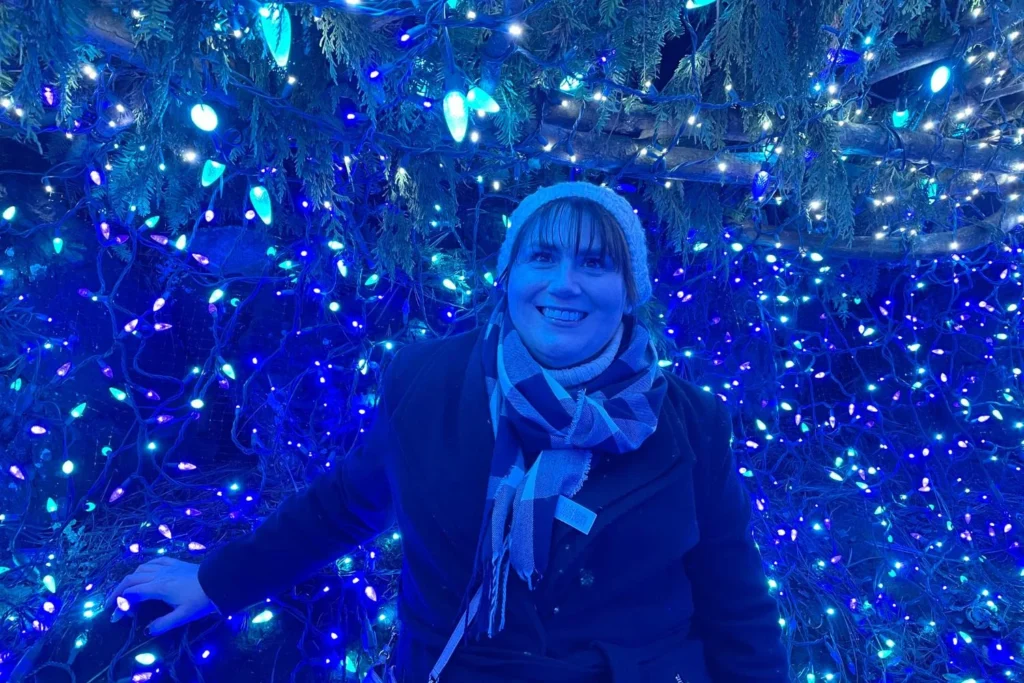
A warm hat that covers your ears is essential, as a significant amount of body heat is lost through your head.
Gloves or mittens should be insulated and, ideally, waterproof. Touchscreen-friendly gloves are useful for navigating phones in the cold.
A scarf or neck warmer helps protect exposed skin from wind and makes cold temperatures feel far more manageable.
Solo travel tip:
Accessories are easy to buy locally if you forget something, but having them from day one makes winter travel much easier.
Practical Travel Items
A small backpack or crossbody bag that can be worn over bulky clothing is more practical than a large tote in winter. Some events also have bag restrictions in the same way that concert venues do.
A reusable water bottle helps you stay hydrated, even when you don’t feel thirsty.
A portable phone charger is essential, as cold weather drains batteries much faster than usual. Make sure it’s fully charged every time you go out.
Lip balm and hand cream are winter necessities, not extras.
A compact umbrella if you are going to coastal regions where winter brings rain rather than snow.
Sunglasses are surprisingly useful in winter, especially on bright, snowy days when glare is intense. You’ll be thankful that you have them.
Hand warmers are inexpensive and helpful on very cold days or during outdoor events.
Solo travel tips:
Cold weather is harsher on electronics and your skin. Packing for comfort will save you money and stress once you arrive.
You do not need to pack for worst-case temperatures everywhere. Match your packing list to the regions you are visiting.
Winter In Canada Is Not Something To Avoid As A Solo Traveler
Once you know how winter changes by month and region, the season becomes far less intimidating and far more rewarding. Whether you’re drawn to festive cities in December, quieter landscapes in January, lively winter festivals in February, or the slower transition into spring in March, there is no single right way to experience winter in Canada.
For solo travelers, winter can actually be an empowering time to visit. Destinations are calmer, experiences feel more intentional, and there’s a strong sense of self-reliance that comes with navigating the season on your own. With the right planning, realistic expectations, and proper packing, winter travel in Canada becomes less about surviving the cold and more about leaning into a season that locals genuinely embrace.
If you’ve been on the fence about visiting Canada in winter, consider this your sign that it’s possible, and worth it. Choose your region carefully, plan well in advance, and allow yourself to experience a side of Canada that many travelers never see.
Share Me
If you found this post helpful, share it or pin it! It’s one of the best ways to show your support. Thank you!

Gemma Lawrence is a British expat, solo female travel blogger, and the creator of This Brit’s Life — a travel and lifestyle blog that helps women explore the world confidently, live abroad independently, and stay informed about global issues.
Born and raised in England, Gemma has been living in British Columbia, Canada since 2016 and has been traveling solo for over a decade. With a background in journalism and over ten years of experience in digital marketing and communications — including leadership roles with the International Association of Business Communicators (IABC/BC) — she brings both storytelling and strategy to her writing.
Through her posts, Gemma shares practical solo travel advice, expat insights, and confidence-building resources, while also covering broader topics like women’s rights, democracy, and self-care. Her goal is to inspire independence, awareness, and personal growth — one adventure at a time