How To Move to A New City Alone And Thrive
Moving to a new city alone is one of the most exciting—and intimidating—things you can ever do. Whether you’re create a fresh chapter overseas, starting a new job, or moving to studying abroad, packing up and beginning again in a new place takes courage, planning, a big leap of faith and a willingness to get out of your comfort zone..
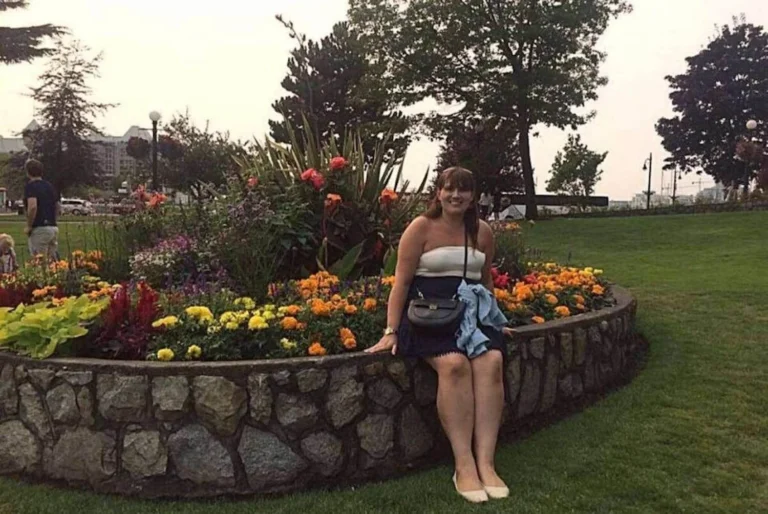
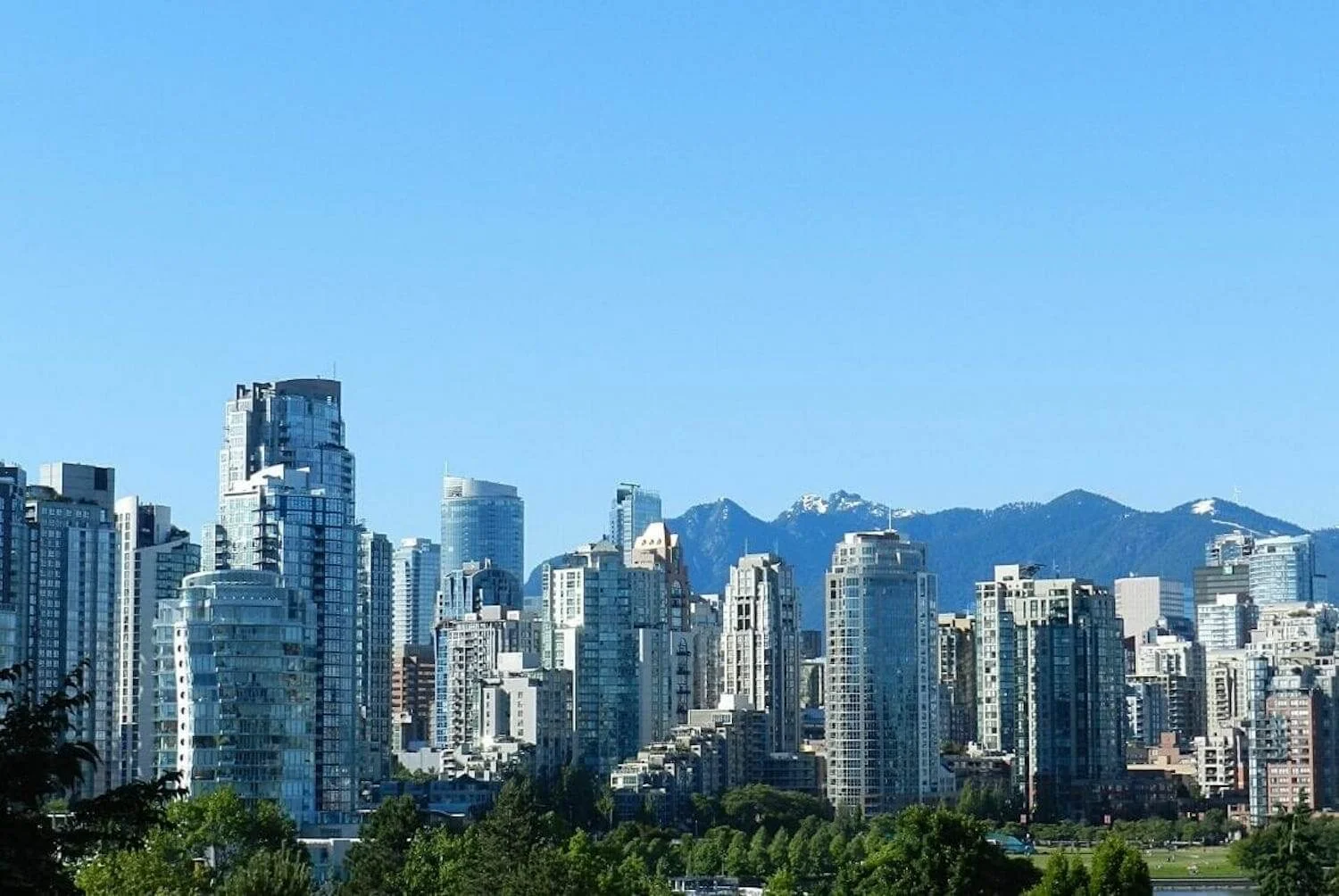
I know this firsthand. I’ve done it twice—once within the UK and once across the world when I moved to Vancouver, Canada on my own. Those experiences taught me that moving solo isn’t just about finding a flat and shipping your belongings—it’s about building a brand-new life from scratch.
If you’re wondering where to start, this guide breaks down everything you need to know about how to move to a new city alone—successfully, confidently, and with a sense of adventure.
Quick Tips For Moving To A New City Alone
- Start planning early with a moving checklist and timeline.
- Research everything—neighborhoods, costs, jobs, and transport.
- Save more than you think you’ll need for unexpected expenses.
- Pack light (especially if moving internationally).
- Step out of your comfort zone to make new friends.
- Explore like a local to feel at home faster.
Why Moving Alone Can Be The Best Thing You’ll Ever Do
There’s something life-changing about stepping into a city where no one knows your name. You get to reinvent yourself, explore freely, and truly discover who you are when no one else’s expectations define you.
Sure, it’s scary at first—but that fear quickly turns into freedom. Moving alone gives you independence, self-belief, and the chance to create a life that’s entirely yours.
My Experiences Of Moving To New Cities
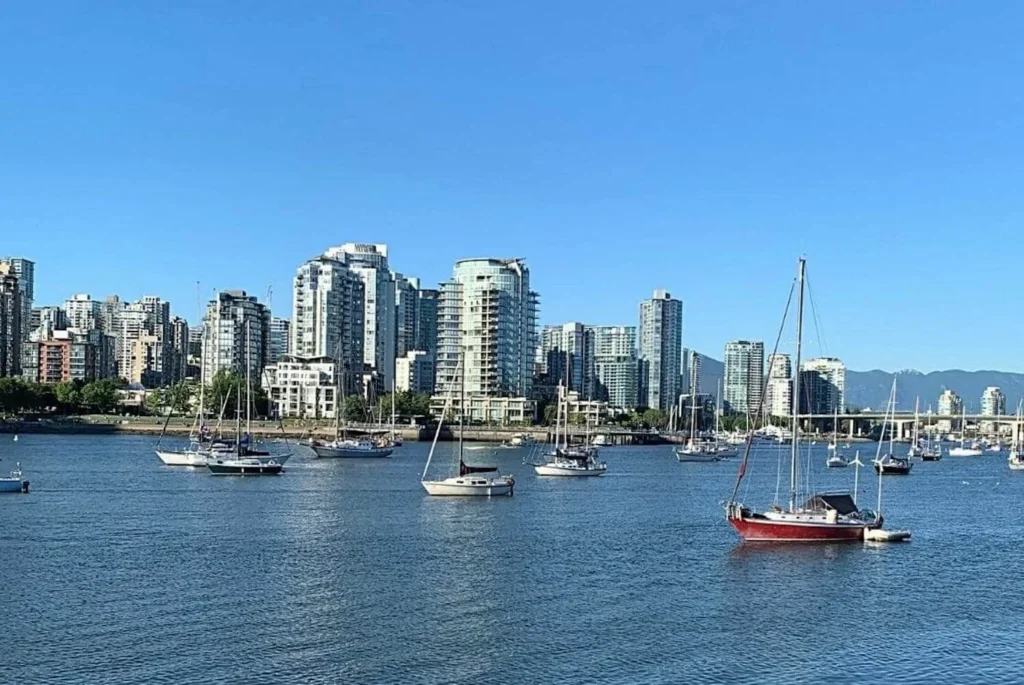
I’ve moved to new cities twice on my own as an adult—once within my home country, and once across continents.
When I moved from England to Vancouver, Canada, 10 years ago, I was craving a completely fresh start. Huge personal losses gave me the push I needed to make that leap. The experience taught me so much about what to do (and what to avoid) when making a big move alone.
Yes, it’s scary. Yes, it’s a gamble. But it’s also one of the best adventures you’ll ever have—if you prepare for it right.
Step 1: Plan Your Move Early Step-by-Step And Stay Organized
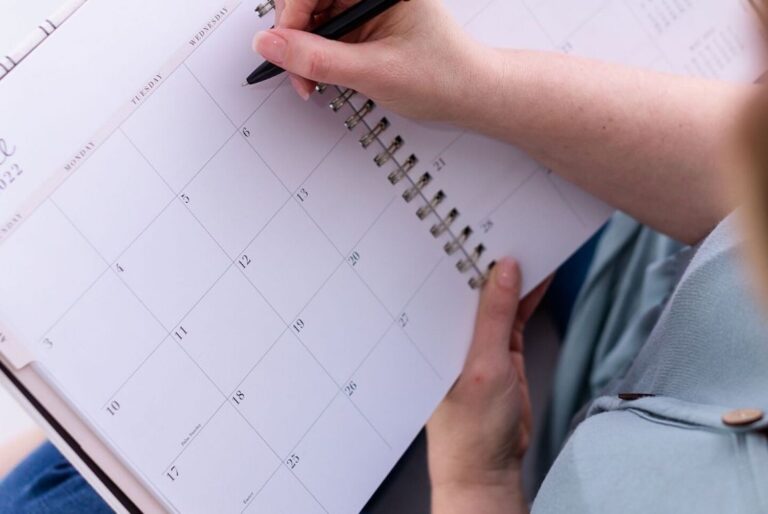
The earlier you start planning, the easier your move will be. Work backwards from your moving date and create a checklist that covers everything—from visas and paperwork to booking accommodation and forwarding your mail.
- Create a moving timeline: Work backward from your move date. List what needs to be done 6–12 months, 3 months, 1 month, 2 weeks, and 1 week before moving.
- Book essentials early: flights, moving services, storage, and temporary accommodation.
- Stay organized with a moving checklist (download one or create your own).
It will massively reduce stress, worry, and overwhelm – and keep you organized so that you don’t forget anything. If you’re not sure what you will need to do, there are tons of resources online to help you.
Sample Moving Timeline:
| Timeframe | Key Tasks |
|---|---|
| 6- 12 Months Before | Research the job market and cost of living – it will determine how much money you need to save |
| 3 – 4 Months Before | Research neighbourhoods, and local culture |
| 1 – 2 Months Before | Book movers or storage, sell unwanted items, cancel utilities |
| 2 Weeks Before | Start packing, arrange mail redirection, confirm housing |
| Moving Week | Final clean, double-check travel plans, back up important documents |
Pro Tip: Keep your checklist in Google Sheets or Notion so you can update it easily and tick tasks off as you go.
Step 2: Research Everything About Your New City
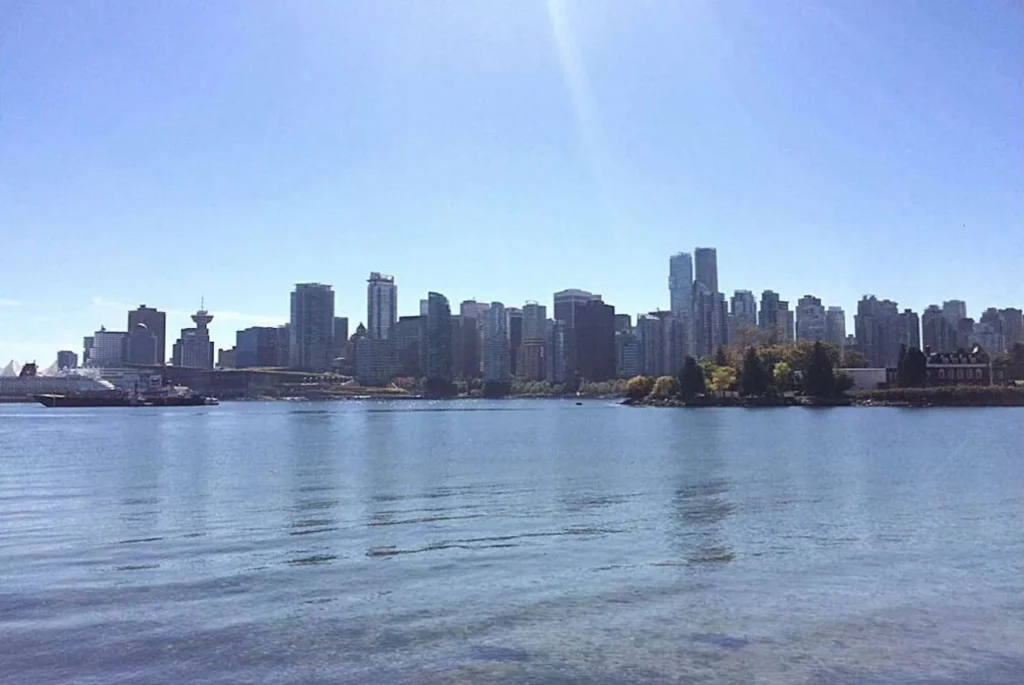
Research is everything – It’s your most important task because the more you know before you arrive, the smoother your transition will be. This is especially true if you are planning to move to a new city in a different country.
Things to focus on:
- Cost of living: Rent, groceries, transport and utilities. Also look at average salaries versus cost of living in different areas of the city.
- Neighborhoods: Which areas will be best for your personality, lifestyle, budget. Your goal is to pick 2 or 3 to focus on when looking for a place to live.
- Safety and healthcare: Especially if you’re moving abroad.
- Transport: Learn about the public transport routes and commute times
- Community: Look up local events, co-working spaces, and Facebook groups
Pro Tip: Join online communities before you move. Facebook groups or Reddit threads are full of locals and newcomers who can offer advice, rental leads, and even new friendships.
Step 3: Make Lists & Set Goals For Your Move
Lists are your best friend during a big move. They keep you organised and motivated.
As part of your planning:
- Create separate packing lists – what to bring, sell, and store.
- Make a to-buy list for essentials you’ll need when you arrive.
- Set personal goals — career milestones, social activities, must-see places
Having clear goals gives you structure and something exciting to work toward once the logistics are out of the way.
Step 4: Budget, Save, And Manage Costs
Financial planning can make or break your experience. Save more than you think you’ll need—ideally three to six months of living expenses.
Unexpected costs always pop up: security deposits, furniture, visa fees, or just those first few weekends when you want to say yes to every plan.
Money-Saving Tips:
- Move light—shipping is expensive, so sell or donate bulky items.
- Look for furnished rentals to reduce upfront costs
- Track every expense during your first month to adjust your budget fast.
- Keep an emergency buffer for surprises
Step 5: Choose the Right Neighbourhood
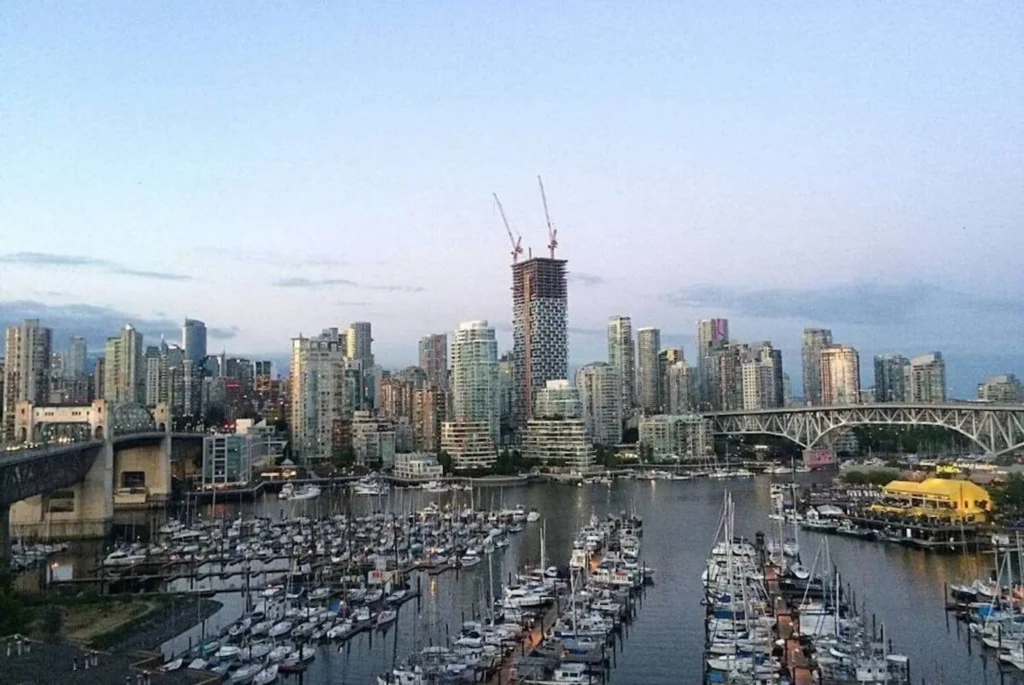
Choosing where to live can be overwhelming, but it’s easier if you’ve done your homework. That’s where your earlier research will help.
If you can, I highly recommend booking a short-term stay first (Airbnb, hostel, or sublet) while you explore neighbourhoods in person – especially if you’re moving abroad. This prevents costly mistakes and helps you find an area that truly feels right.
Things to consider:
- Commute times and transport access
- Local safety and amenities
- Walkability, parks, and overall community vibe
Step 6: Prepare Emotionally For The Big Change
No one talks enough about the emotional side of moving. It’s normal to feel lonely, anxious, or homesick—especially in the first few weeks. Those feelings are completely normal, and they don’t mean you’ve made a mistake; they mean you’re adjusting to something new.
To make the transition easier:
- Keep a few sentimental items from home (photos, a favourite mug, a book).
- Journal daily or start a blog—it helps you process the change and track your growth.
- Rest when everything feels overwhelming.
- Create a routine that grounds you — morning walks, journaling, or exploring new cafés.
- Call friends or family when homesickness hits.
If you find the homesickness lingers, read how to deal with homesickness while abroad for practical ways to ease that ache, stay connected and feel settled faster.
Step 7: Pack Light (and Smart)
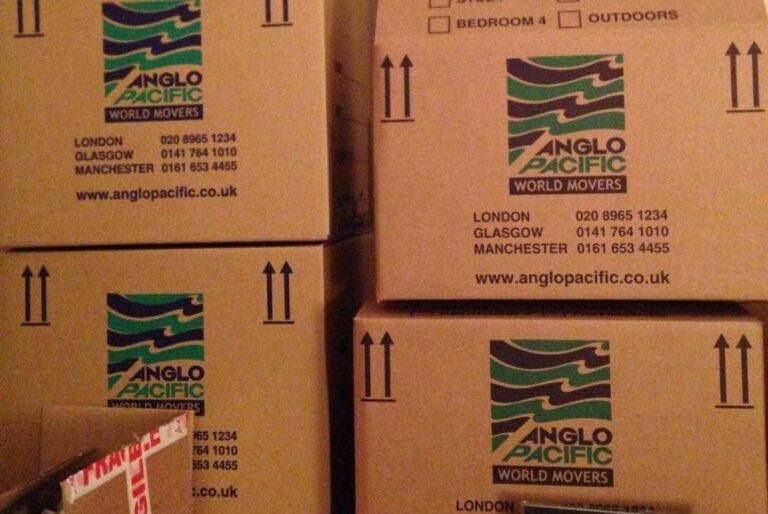
Moving is expensive, especially overseas. The less you take, the cheaper and easier it will be.
- Move into a furnished apartment if it’s an option to simplify your setup.
- Sell or donate furniture and any other large items.
- Prioritize essentials and sentimental belongings.
Step 8: Settle In, Make Friends, And Build Community
Making friends as an adult can be hard, but it’s completely possible.
Try These Ideas:
- Use apps like Meetup and Bumble BFF for finding new connections
- Volunteer or joining professional networks
- Attend free workshops or cultural events
- Attend meetups, classes, and events.
- Say yes to invitations, even if you’re nervous.
- Set aside a small budget for social activities
If you’re apprehensive, remind yourself that everyone feels awkward at first. The key is to keep showing up. It will make all the difference.
Always find it hard to make new friends? Here are more ways to meet people and make friends when you move to a new place.

Network & Make Connections
If you’re moving for work or job hunting, attend networking events and join industry groups. Volunteering is another great way to meet people while giving back.
You’ll Need To Get Out Of Your Comfort Zone
Meeting people in a new place takes effort. Push yourself to attend events alone and start conversations even when it feels uncomfortable.
Some events will be great; others won’t be. If you feel unsafe or uneasy, leave — the important part is that you tried. Remember, you’re in a new city where no one knows you — so be brave, be curious, and have fun discovering what feels right for you.
Step 9: Don’t Be Afraid To Ask For Help
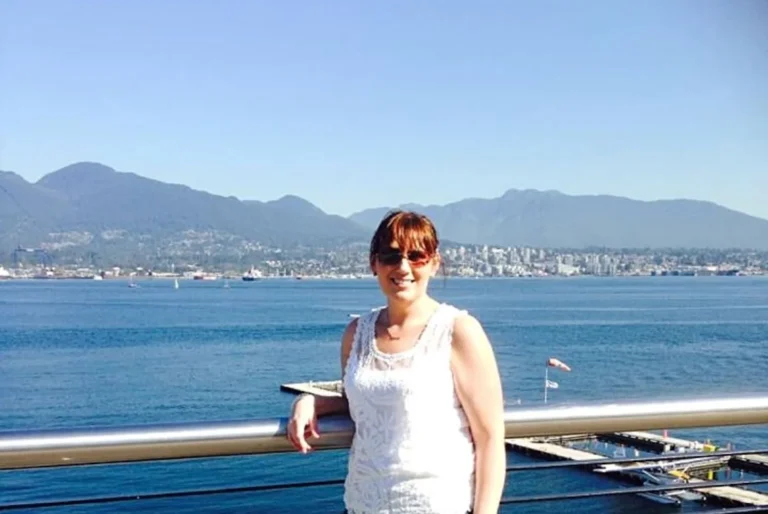
When I first moved to Vancouver, I barely knew anyone. Joining Facebook groups, newcomer meetups, and even government settlement programs helped me settle faster.
Put yourself out there—ask questions, reach out to expat communities, and connect with people before you arrive.
Step 10: Go Out And Explore Your New City
Yes, moving is stressful—but it’s also exciting! Once you’re settled:
- Explore solo and embrace the adventure.
- Take long walks to learn your neighbourhood and surrounding areas. .
- Try local cafes, markets, and cultural events.
Walk & Use Public Transport To Get Around
One of my biggest tips is to walk and use public transportation everywhere. It is the best way to explore any new place as it will help you to:
- Learn the city faster
- Save money
- Discover hidden gems
Stay Safe And Confident As You Explore
Safety matters, especially when you’re getting to know a new place alone.
Simple precautions:
- Share your location with someone that you trust.
- Trust your instincts—leave if something feels off.
- Learn local emergency numbers.
- Get to know the neighbourhoods and find out what areas to avoid.
- Keep documents and valuables secure places..
Avoid These Common Moving Mistakes
Even the most organised people can slip up. Here are the pitfalls to avoid:
- Signing a long-term lease before visiting first.
- Skipping health or renters insurance.
- Planning for emergencies and any possible ‘worse case scenarios’.
- Avoiding social contact, especially during your first month.
- Underestimating emotional fatigue of moving to a new place.
- Not budgeting enough for your initial costs.
Moving Alone Is Brave And Worth It
Moving to a new city alone takes courage, persistence, and heart — but it’s one of the best gifts you’ll ever give yourself.
With the right mindset and preparation, you won’t just survive—you’ll thrive. Take it step by step, stay open to new experiences, and remember: every challenge is helping you build the life you’ve always wanted.
FAQ’s About Moving To A New City
How do I choose the right city?
Research cost of living, safety, job opportunities, and lifestyle factors. Visit if you can.
How can I budget for the move?
List all expenses—moving costs, deposits, furniture, and at least 3 months’ living expenses – then add 20% for surprises.
How can I overcome loneliness?
Join meetups, attend local events, try friend apps, and say yes to social invitations.
Are there support networks for newcomers?
Yes – most cities have expat groups, newcomer associations, and online communities.
How can I prioritize self-care and maintain a positive mindset?
Include small daily rituals that make you feel good, and give yourself grace while you adjust
Learn More About Living Abroad
- Lessons Learned From Living Abroad In Canada
- How To Deal With Homesickness While Abroad
- How To Move to A New City Alone Successfully
- Important Questions To Ask Yourself Before You Move Abroad
- 25 Ways To Meet People & Make Friends When You Move To A New Place
- 9 Personality Traits Expats Need To Live Overseas Successfully
- How To Effectively Network On Social Media
- 6 Reasons To Join A Professional Association
Share Me
If you found this post helpful, share it or pin it! It’s one of the best ways to show your support. Thank you!

Gemma Lawrence is a British expat, solo female travel blogger, and the creator of This Brit’s Life — a travel and lifestyle blog that helps women explore the world confidently, live abroad independently, and stay informed about global issues.
Born and raised in England, Gemma has been living in British Columbia, Canada since 2016 and has been traveling solo for over a decade. With a background in journalism and over ten years of experience in digital marketing and communications — including leadership roles with the International Association of Business Communicators (IABC/BC) — she brings both storytelling and strategy to her writing.
Through her posts, Gemma shares practical solo travel advice, expat insights, and confidence-building resources, while also covering broader topics like women’s rights, democracy, and self-care. Her goal is to inspire independence, awareness, and personal growth — one adventure at a time